
City trips, planned without the guesswork
Practical city guides — where to stay, how to get around, and what's actually worth your time on a short trip.
Browse by country or region

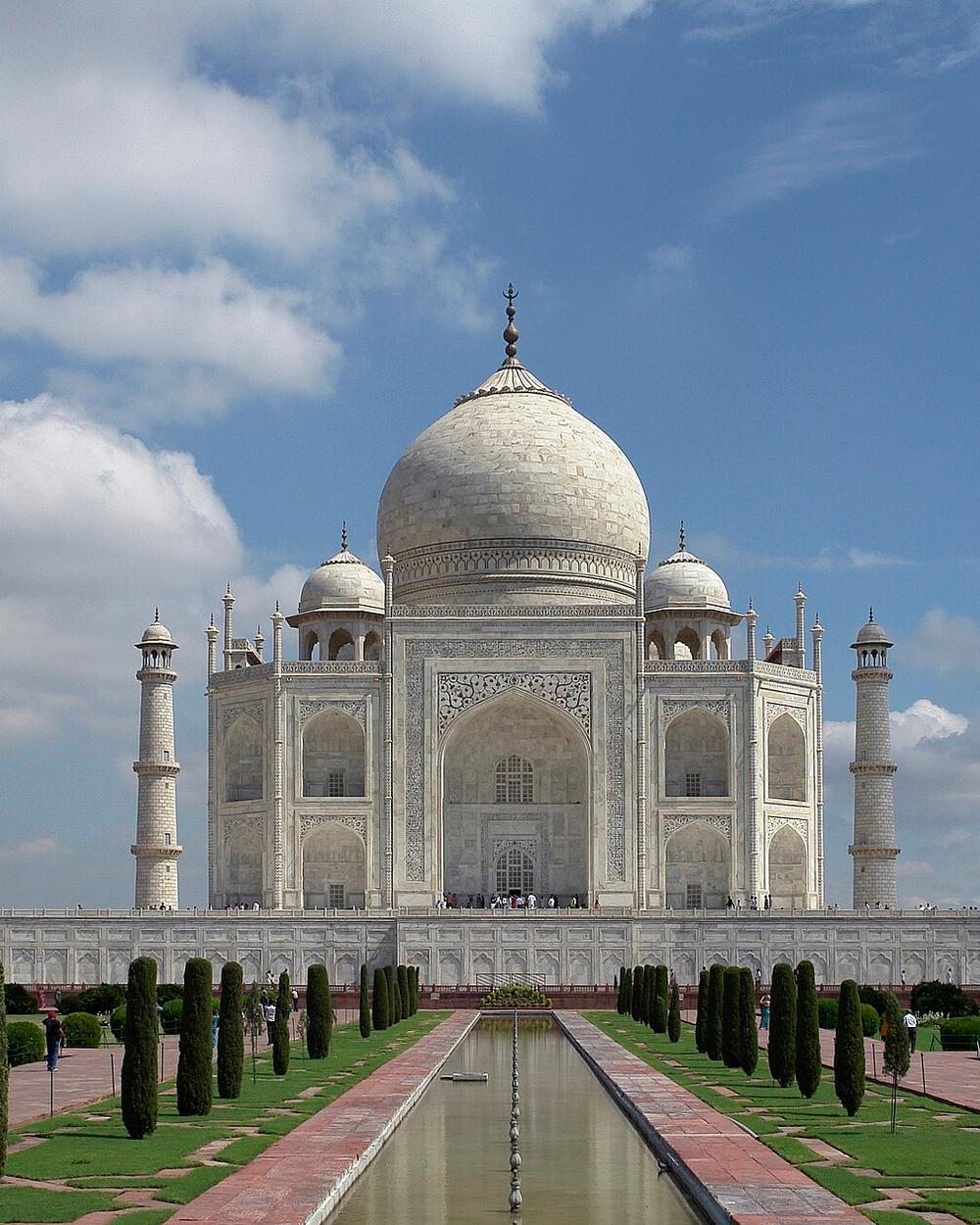
India
Photo: Yann; edited by King of Hearts, CC BY-SA 4.0, via Wikimedia Commons
Indonesia
Photo: Vyacheslav Argenberg, CC BY 4.0, via Wikimedia Commons
Thailand
Photo: Diego Delso, CC BY-SA 3.0, via Wikimedia Commons
China
Photo: Velatrix, CC0, via Wikimedia Commons
Taiwan
Photo: CEphoto, Uwe Aranas, CC BY-SA 3.0, via Wikimedia Commons
Hong Kong
Photo: Romain Pontida, CC BY-SA 2.0, via Wikimedia Commons
Malaysia
Photo: James Kerwin from Tbilisi, CC BY 2.0, via Wikimedia Commons
Singapore
Photo: Bijay Chaurasia, CC BY-SA 4.0, via Wikimedia Commons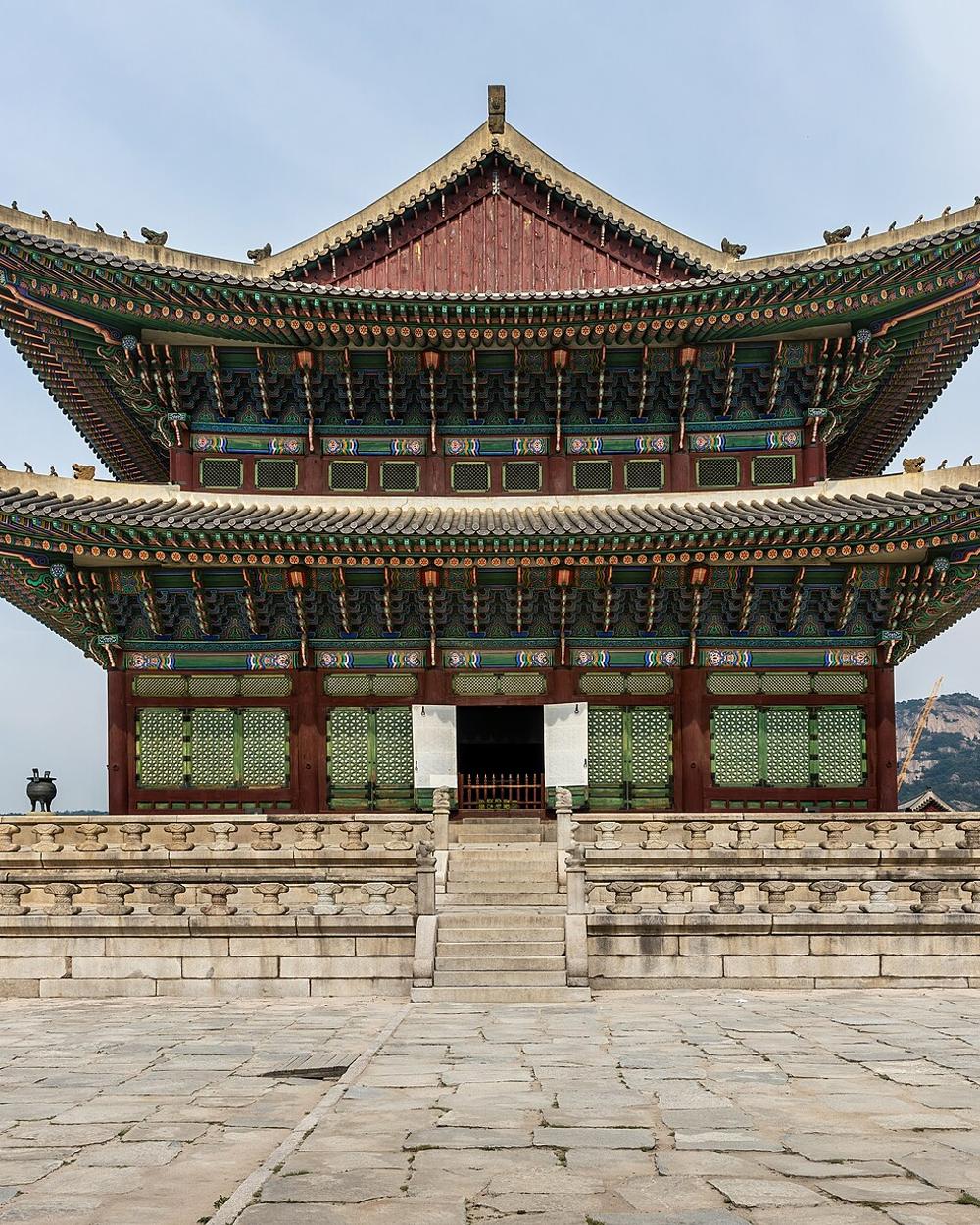
South Korea
Photo: Basile Morin, CC BY-SA 4.0, via Wikimedia CommonsMost city trips get lost in the planning. Twenty open tabs, three conflicting opinions on the same neighbourhood, and a booking made at midnight out of sheer fatigue. Orvayi exists to cut that short. Each destination guide covers the decisions that actually shape a trip: which area to base yourself in, how the transport works, when to book, and what to skip.
Hotels
Pick the right neighbourhood first, the hotel second
In dense cities, the address matters more than the room. A mid-range hotel two minutes from a major station usually beats a nicer one that adds forty minutes of travel to every day. Our city guides break each destination into a handful of areas, explain who each one suits, and note the trade-offs in price, noise, and transport before you start comparing rates.
Flights
Know the airport before you book the fare
Big cities are often served by more than one airport, and the cheaper arrival isn't always the cheaper trip once you add the transfer. Before you book, check how far each airport is from where you're staying, how you'd get into town, and whether anything still runs at the hour you land.
Activities
A short list beats a long one
Three days doesn't stretch to a checklist of thirty sights. Each guide narrows things down to the places that reward the time they take, groups them by area so you're not crossing the city twice, and flags what's worth booking ahead against what you can simply walk up to.
How these guides are put together
Written for first visits
Assumes no local knowledge and explains the things residents forget to mention, from ticket machines to closing times.
Organised by area
Recommendations are grouped geographically, so a day's plan doesn't scatter you across the city.
Kept current
Transport cards, opening hours, and entry rules change often. Guides are reviewed rather than left to age quietly.
Common questions
Which destinations does Orvayi cover?
The cities listed by country at the top of this page. Most have an overview guide, and many also have separate pages on hotels and activities. More destinations are added as the guides are researched properly rather than filled out quickly.
How long a trip are these guides written for?
Three to five nights in a single city. Anything shorter and the suggested areas still hold — you simply take fewer of them on.
Can I book through Orvayi?
No. Orvayi is a planning resource, and bookings are made with the hotel, airline, or operator directly. Where a partner link is used, it never changes the price you pay.
When should I book flights and hotels?
As a rule of thumb, roughly two to three months ahead for flights and six to eight weeks for hotels, with more lead time around peak periods such as cherry blossom season in Japan and the Songkran holiday in Thailand.
Do I need a car?
Often not. In cities with good rail and metro networks, a car usually slows you down. It makes more sense on islands, in places where public transport is thin, and for day trips beyond the city.