
Chiang Mai
On this page
Chiang Mai is northern Thailand's relaxed cultural capital, with more than a hundred temples inside and around its old moated city, cool green mountains nearby and some of the country's best food. It's easier and slower than Bangkok, and many people end up staying longer than planned. Timing matters more than you might expect, because smoke can spoil the views in spring.
At a glance
Best for: temples, food, markets, cooking classes, mountains and ethical elephant visits.
How long: three to five days, with more if you add Chiang Rai or Pai.
Getting around: the Old City is walkable. For longer trips, use ride-hailing apps or shared red songthaews, and hire a driver for the mountains.
Seasons: November to February is cool and dry, the best time. February to April can bring heavy smoke. June to October is rainy and green.
Good to know: dress modestly at temples, with shoulders and knees covered.
Understanding the city
Old City. The square moated centre, with the main temples, guesthouses and cafés.
Nimmanhaemin. West of the Old City, with modern cafés, malls and younger crowds.
Riverside and Night Bazaar. East of the walls, with riverside restaurants, hotels and evening markets.
Doi Suthep. The forested mountain rising over the western edge of town, with its famous hilltop temple.
Highlights worth your time
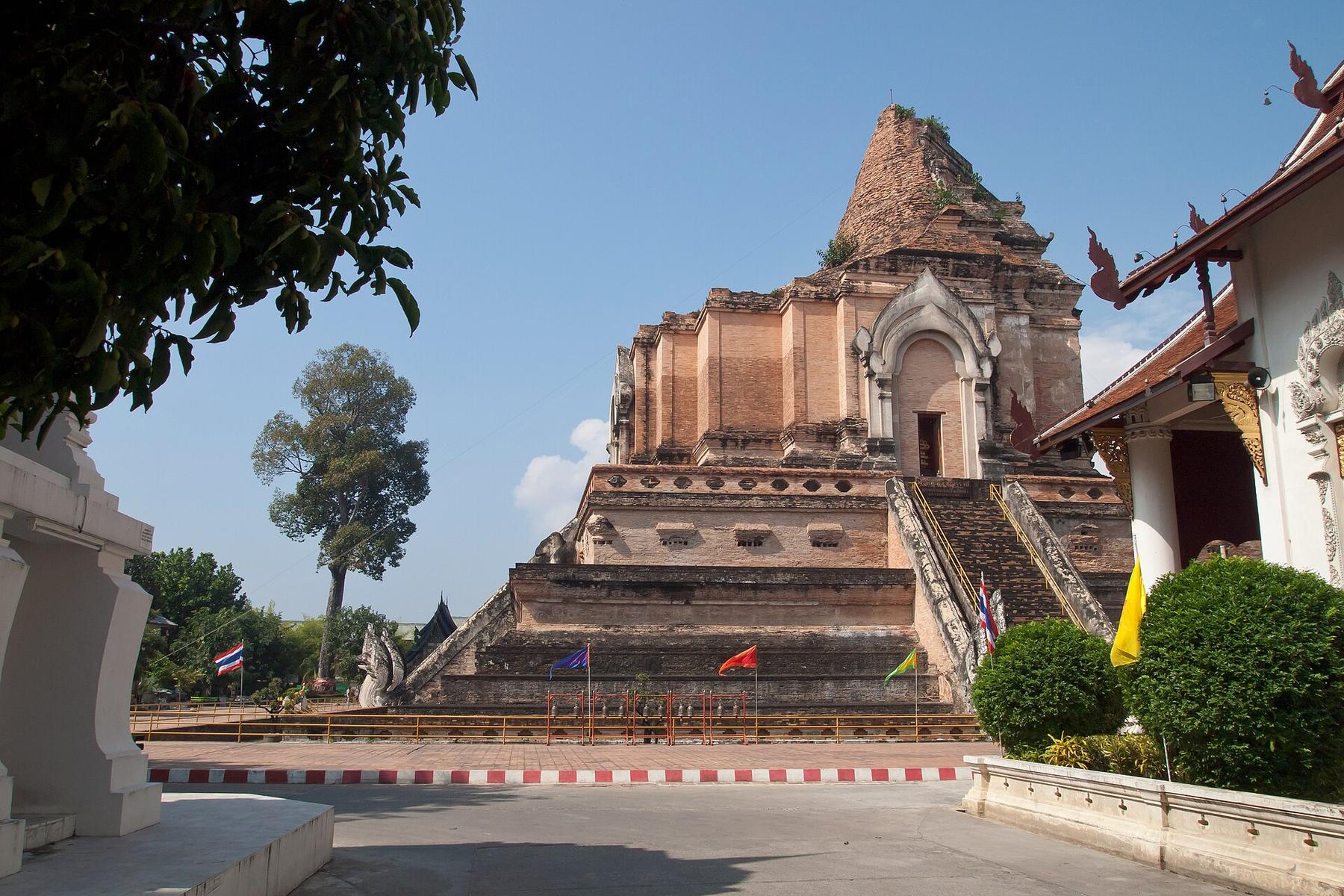
Old City temples. Wat Chedi Luang has an enormous brick stupa, while Wat Phra Singh is known for its fine northern-style buildings. Go in the morning, when it's cooler and the monks are often about.
Wat Phra That Doi Suthep. The golden temple above the city. Climb more than 300 steps or take the small tram. In November 2026, sources listed entry from about 30 baht for foreign visitors, though some said 50. Go early, or close to sunset for the view.
Sunday Walking Street. Ratchadamnoen Road fills with crafts and food on Sunday evenings, and Wualai Road has a smaller market on Saturdays.
Elephant sanctuaries. Choose places with no riding, and no bathing or shows that stress the animals. Read recent reviews closely.
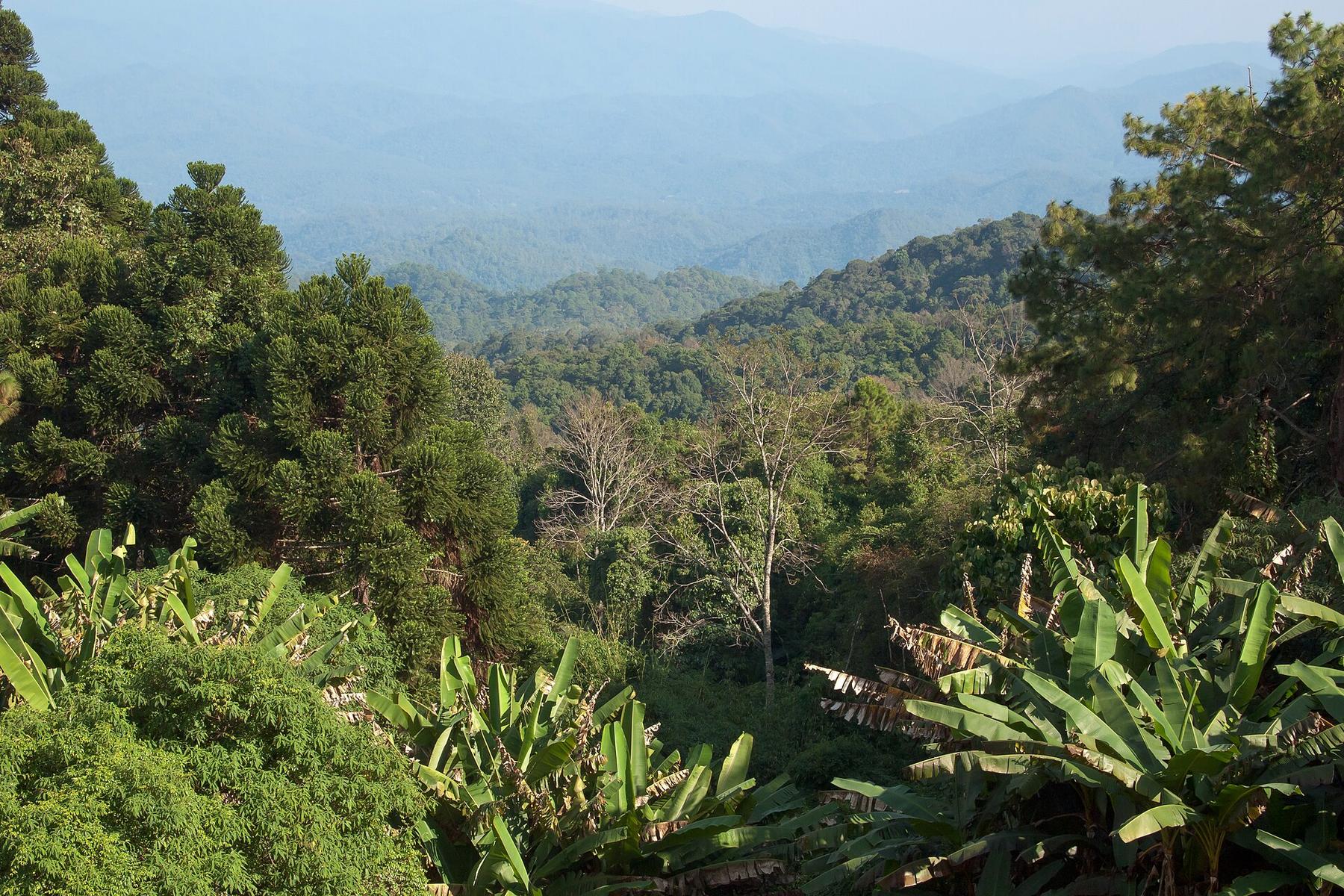
Doi Inthanon. Thailand's highest mountain, with waterfalls and cool air, good for a full day out.
Opens Klook in a new tab to complete your booking.
Food
Start with khao soi, the coconut curry noodle soup that defines the north. Try sai ua sausage, northern-style chilli dips and sticky rice. Markets such as Warorot are good for snacks, and evening stalls at the city gates are easy to enjoy.
When to go
November to February has the most comfortable weather, and it's the busiest. Yi Peng and Loy Krathong bring lanterns to the sky and river, usually in November, and Songkran turns the moat into a huge water fight in mid-April. The burning season, from about February to April, can make the air unhealthy, so check air-quality readings if you're sensitive. The rains bring green hills and fewer visitors.
Opens Klook in a new tab to complete your booking.
How many days do I need in Chiang Mai?
Three days cover the temples, a market and a mountain trip. Five days let you add a class and a day out.
When should I avoid Chiang Mai?
The smoky months from about February to April can be unpleasant, particularly for anyone with breathing problems. Check current air quality.
How do I get around?
Walk in the Old City, and use ride-hailing or red songthaews elsewhere. Agree on the songthaew fare first.
Where should I stay?
The Old City suits first visits, Nimman suits cafés and shopping, and the riverside suits a quieter, more upscale stay.