
Jakarta
On this page
Jakarta is Indonesia's capital and a megacity of tens of millions. It is dense, hot and busy, with a skyline of towers beside old Dutch buildings and street-food carts. Many visitors only pass through on the way to Bali or Java, but a day or two reveals museums, markets, a lively food scene and very good shopping. The main challenge is traffic, so plan carefully.
Most short visits work best as a base for a stopover rather than an attempt to see the whole city. Picking two or three areas and accepting that travel between them takes real time produces a far better experience than trying to cover the city comprehensively.
Visitors arriving expecting a conventional tourist city are often surprised that Jakarta's appeal is less about postcard sights and more about its food, its malls as genuine social spaces, and the contrast between colonial-era streets and a dense, modern skyline.
At a glance
- Best for: food, museums, malls, nightlife and a gateway to Java.
- How long: two to three days.
- Getting around: ride-hailing apps, the MRT and LRT, TransJakarta buses and commuter rail. Traffic is heavy.
- Seasons: the dry season (May to September) is more comfortable.
- Good to know: distances take longer than they look.
City layout
- Central Jakarta: the National Monument (Monas), museums, government buildings and the large Istiqlal Mosque.
- Kota Tua (Old Town): a historic Dutch quarter around Fatahillah Square.
- South Jakarta (Kemang, Senopati, Blok M): restaurants, bars, cafés and creative neighborhoods.
- Menteng: leafy, with old villas and embassies.
- Sudirman and Thamrin: the business corridor, served by the MRT.
- North Jakarta: the port, Ancol bay area and some beaches.
- Kebayoran Baru: an older, leafy residential district south of the center, with a mix of local markets and newer cafés, quieter than Kemang but a short ride away.
Jakarta's districts are spread far wider than the map distances suggest once traffic is factored in, so a plan built around two neighboring areas per day works better than one that jumps across the city repeatedly.
Highlights worth your time
Monas and the museums. The tall monument has an observation deck. Nearby museums cover national history and culture.
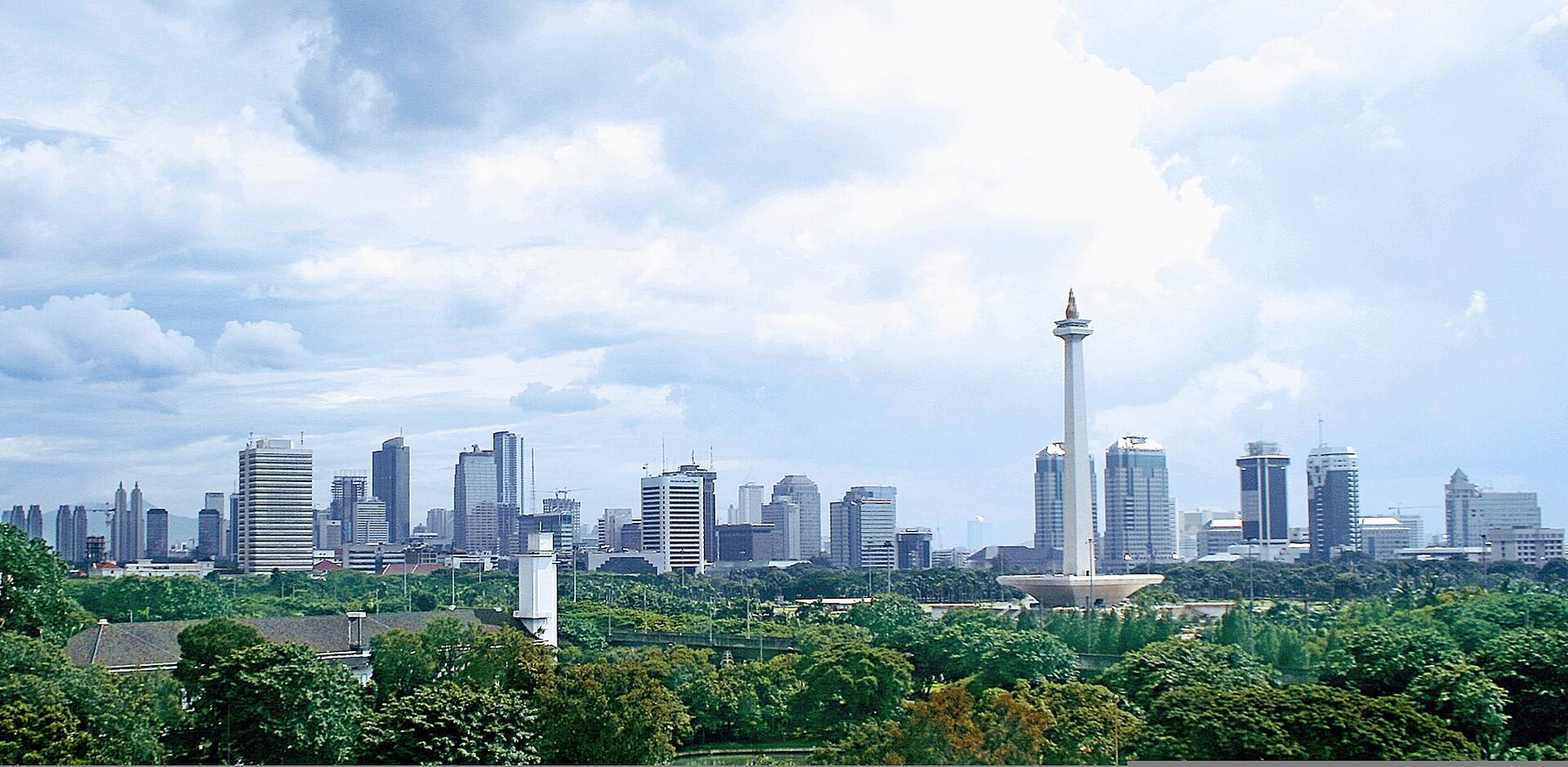
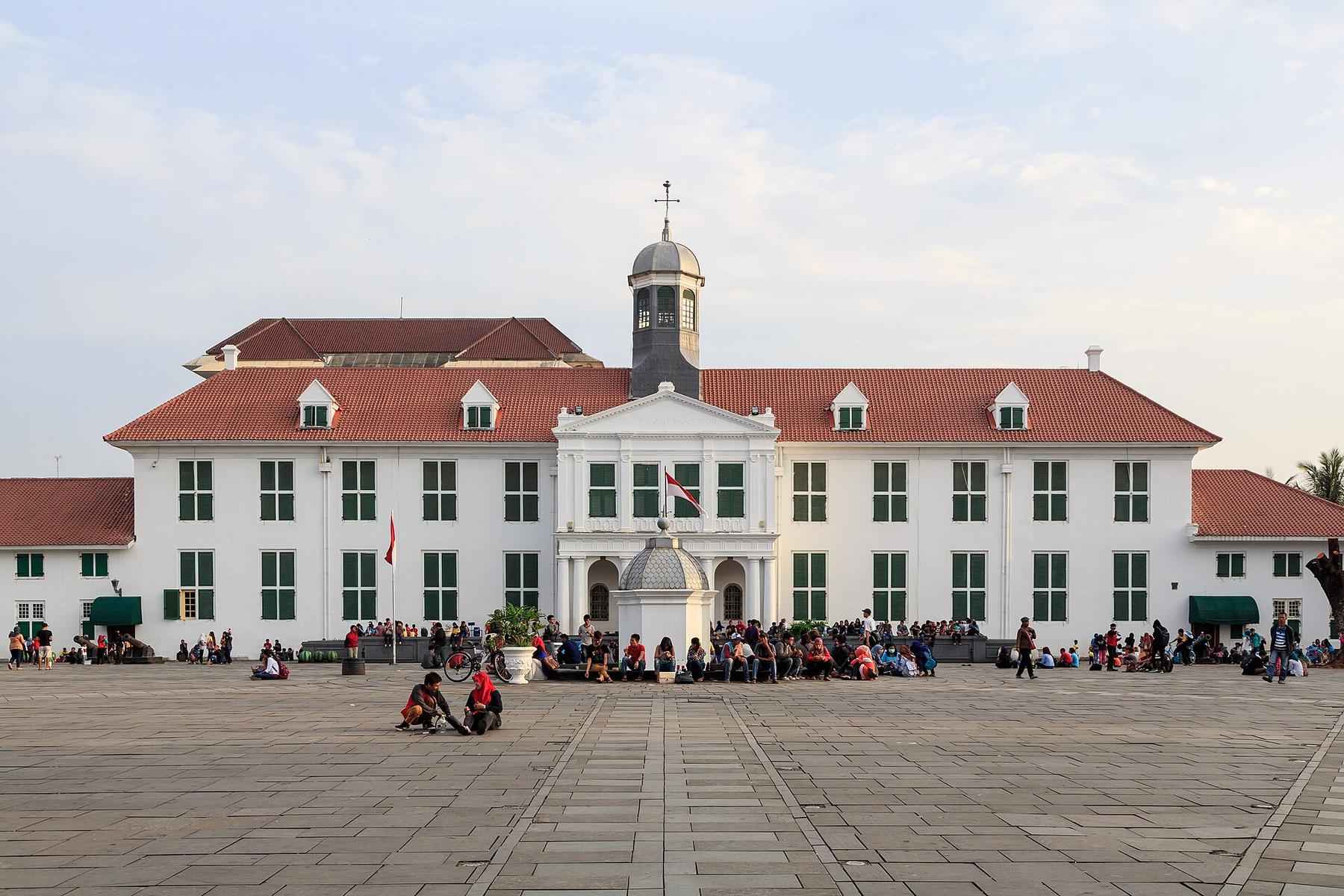
Kota Tua. Old colonial buildings, museums and bicycle rentals around a square. Go in the morning, both for cooler temperatures and better light for photos, since the square fills with vendors and visitors by midday.
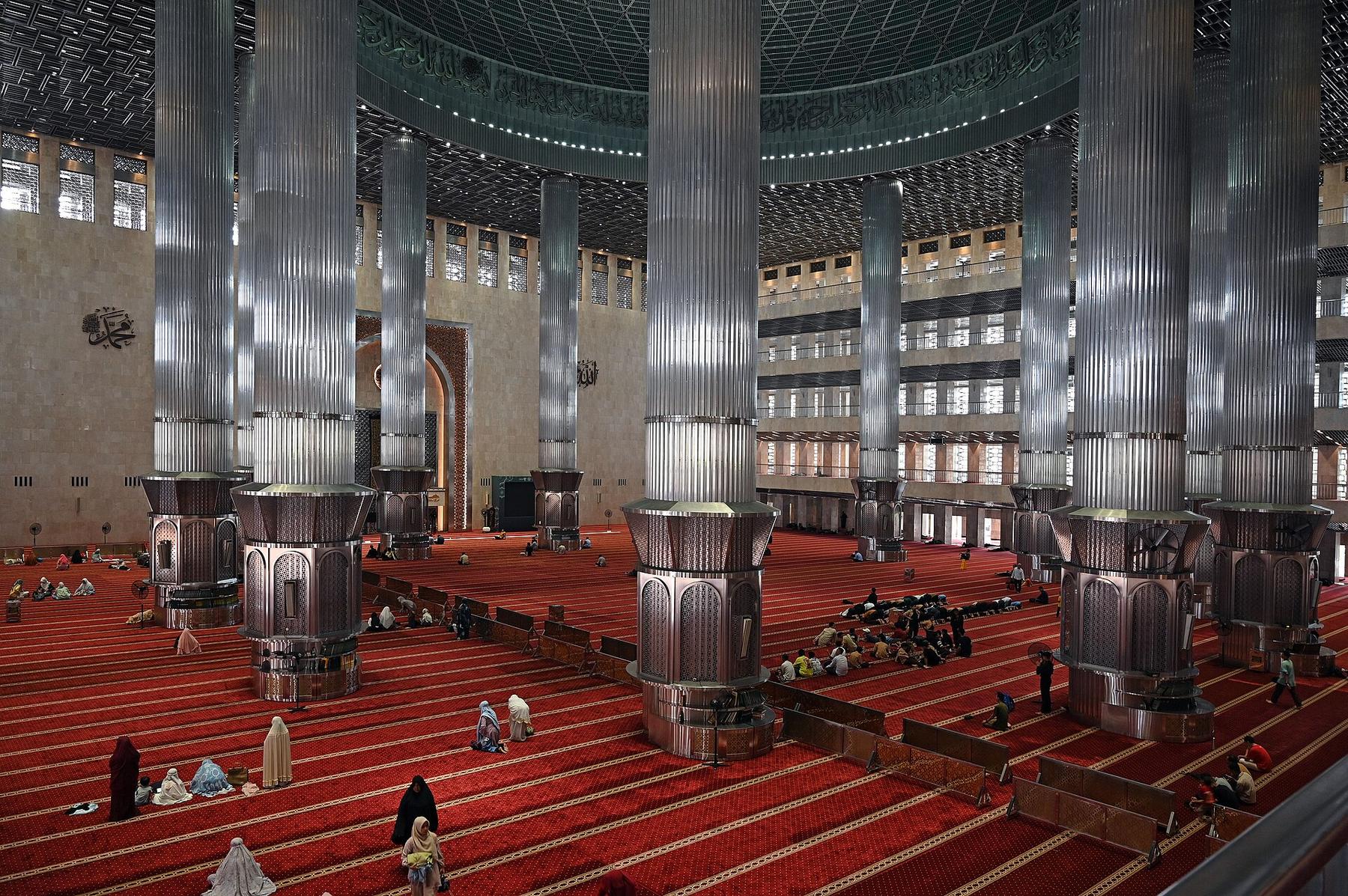
Istiqlal Mosque and Cathedral. Two landmarks facing each other, a symbol of religious harmony.
Food. Try nasi goreng, soto Betawi, sate, gado-gado and street snacks. Night food markets and warungs are everywhere, and some of the best meals in the city come from unassuming stalls rather than sit-down restaurants.
Malls and shopping. Large malls offer food courts, entertainment and air conditioning, a major part of local life.
Thousand Islands. Boats from North Jakarta reach small islands for snorkeling and beach days.
Rooftop bars and skyline views. Several towers in the Sudirman corridor have public-access bars and restaurants with wide views over the city, a straightforward way to appreciate the scale of Jakarta without a dedicated observation deck.
Opens Traveloka in a new tab to complete your booking.
Getting around
The MRT and LRT cover key corridors, and TransJakarta buses have dedicated lanes. For other trips, ride-hailing apps are common. Avoid rush hours, which can stretch trips substantially.
A single integrated transit card can cover the MRT, LRT, TransJakarta and commuter rail, which is worth picking up on arrival if you plan to move around mostly by public transport rather than ride-hailing.
When to go
May to September is drier. The rainy season (November to March) brings heavy showers and occasional flooding. Check forecasts in that period.
Money and connectivity
Cards are widely accepted in malls, hotels and chain restaurants, but smaller warungs and street vendors generally expect cash. An airport eSIM or a local prepaid SIM, both easy to arrange on arrival, cover data needs for the whole trip, which matters given how much of getting around depends on a ride-hailing app.
Heat and pacing
Jakarta's combination of heat and humidity is more tiring than the temperature alone suggests, particularly for visitors not used to tropical conditions. Building in air-conditioned breaks, whether a mall, a museum or a café, between outdoor stops keeps a day from becoming exhausting, and matches how many residents structure their own days around the hottest hours.
Opens Klook in a new tab to complete your booking.
How many days should I spend in Jakarta?
Two or three days covers the main sights and food. Add more if you plan day trips.
Is Jakarta safe for tourists?
Normal city precautions apply. Keep valuables secure, and use official transport or ride-hailing apps.
How bad is the traffic?
Heavy at peak times. Use the MRT or LRT where possible, and plan around rush hours.
Can I visit Jakarta as a stopover to Bali?
Yes. Flights are frequent, and a one or two night stopover works well.
Is Jakarta walkable?
Not really, outside a few areas like Kota Tua. Heat, humidity and inconsistent sidewalks make ride-hailing or transit the more practical choice for most trips.