
Shanghai
On this page
Shanghai is China's most international big city, a place where Art Deco towers face a futuristic skyline across the river. It has a long history as a trading port, which left a layered mix of neighborhoods: colonial-era streets, old lane houses, glossy financial towers and a food scene that ranges from soup dumplings to modern tasting menus. The metro is extensive, and most of the city is easy to explore.
Visitors who expect a single, uniform "modern China" skyline are often surprised by how much variety sits within a short metro ride: a leafy former concession street, a dense historic bazaar and a glass-towered financial district can all fit into one day without much travel between them.
At a glance
- Best for: skyline views, architecture, food, shopping and day trips to water towns.
- How long: three to four days.
- Getting around: the metro, taxis and ride-hailing apps. Most signs are bilingual.
- Payments: mobile payment is dominant. Check how foreign cards and wallets can be used before you travel.
- Good to know: summer is hot and humid. Spring and autumn are best.
How the city is laid out
The Huangpu River splits the city into two parts: Puxi (west) is the historic center, and Pudong (east) is the modern financial district.
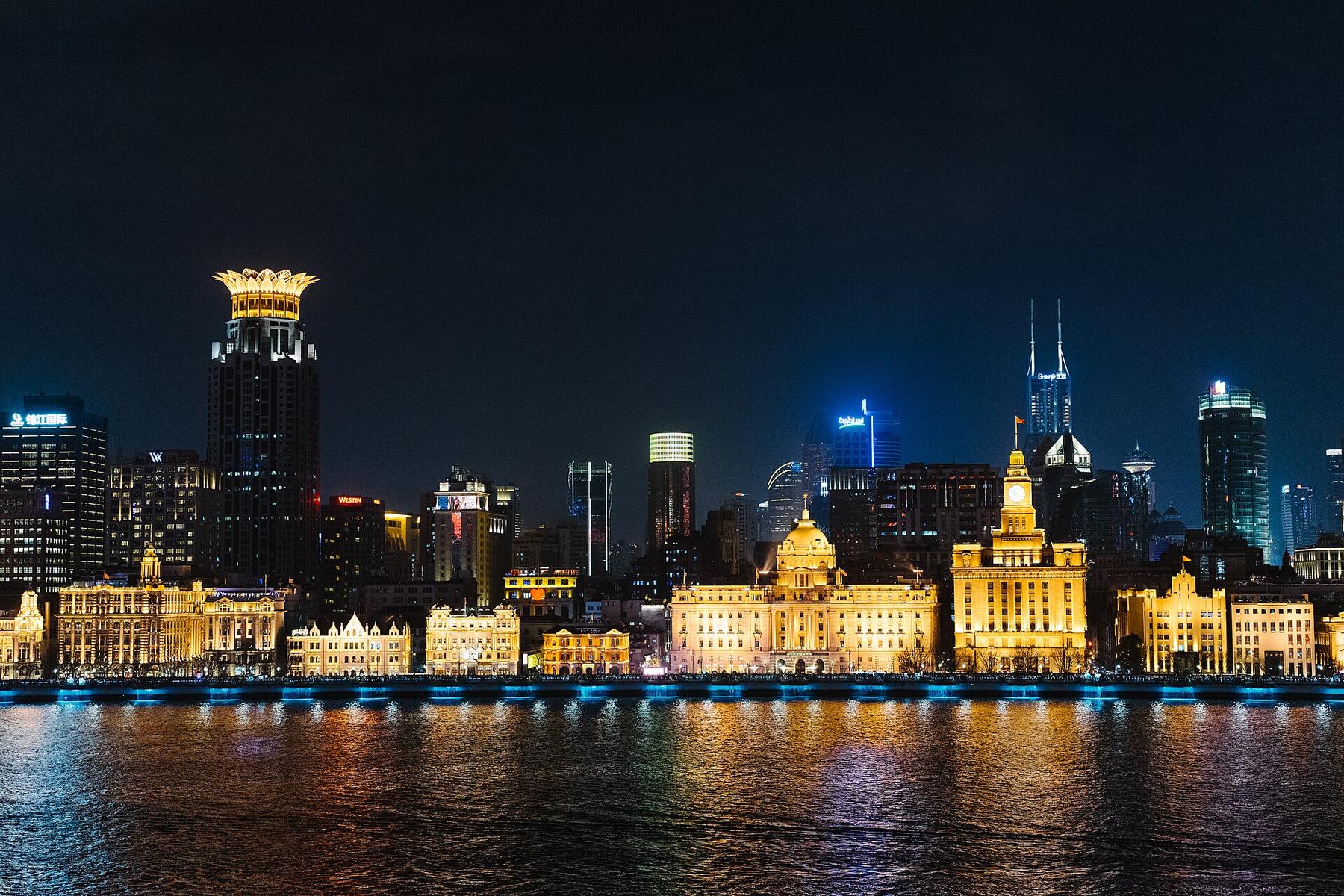
- The Bund: a riverside promenade lined with early twentieth-century buildings, facing the Pudong skyline.
- Former French Concession: tree-lined streets, cafés, boutiques and old villas.
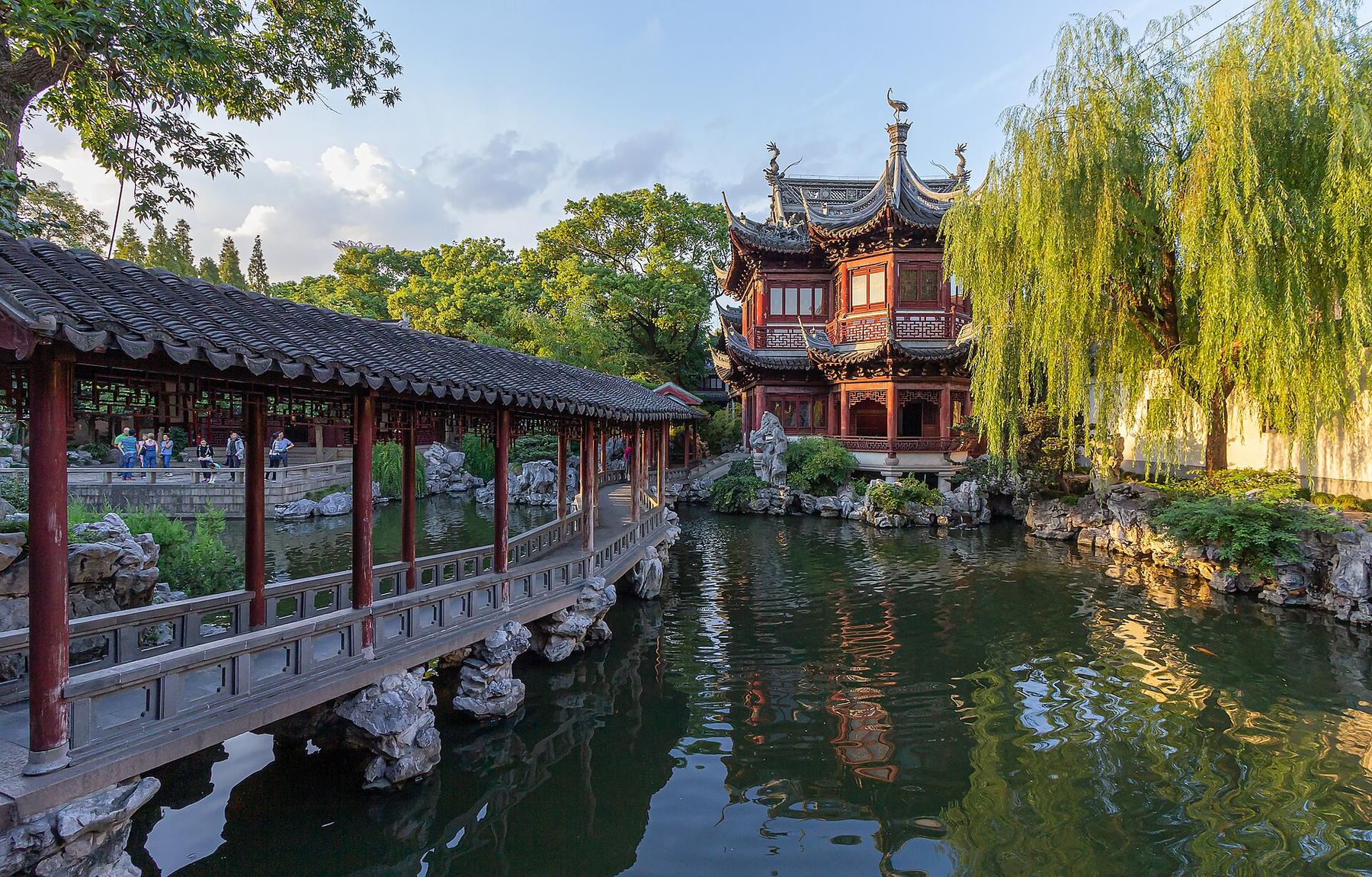
- Old City and Yu Garden: the traditional walled-city area with a classical garden and bazaar.
- People's Square and Nanjing Road: the central shopping district with museums.
- Xintiandi and Tianzifang: restored lanes with restaurants and craft shops.
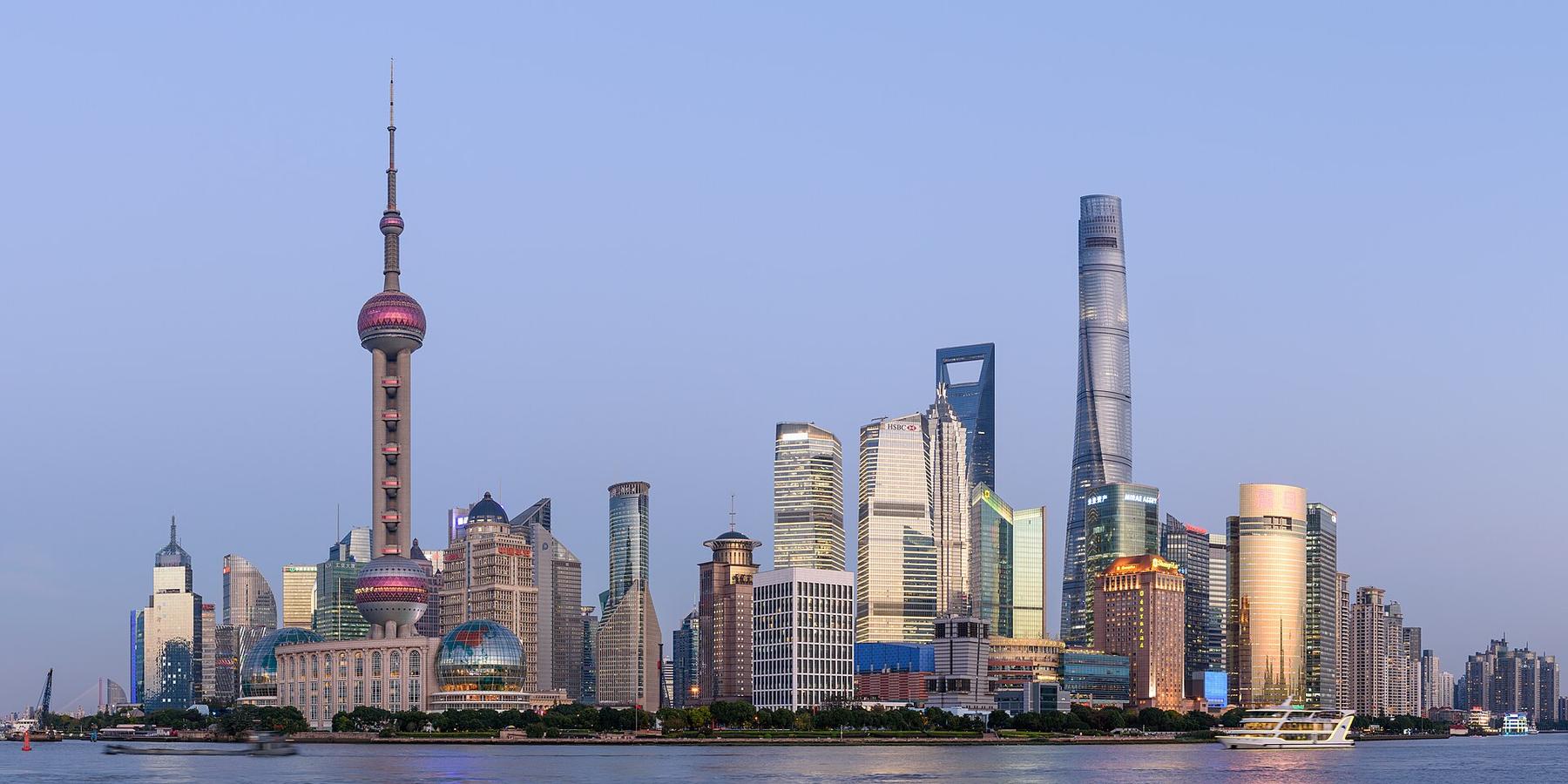
- Pudong: skyscrapers, riverside parks and big museums.
- Jing'an: a mixed commercial and residential district west of People's Square, with a well-known temple sitting almost under a shopping mall's shadow, a good example of the city's older and newer layers meeting directly.
Highlights worth your time
The Bund at night. The classic skyline view. Go at dusk, then walk along the waterfront.
Yu Garden. A classical garden with rockeries and pavilions. Go early to avoid crowds.
French Concession walks. Spend time on side streets and in small cafés. A good half-day.
Lujiazui skyline. Observation decks of the tall towers offer wide views. Pick a clear day.
Soup dumplings and local food. Xiaolongbao, sheng jian bao (pan-fried buns) and hong shao rou (braised pork) are local classics.
Museums. The Shanghai Museum and modern art museums along the river.
Former Jewish quarter in Hongkou. A less-visited district with a small museum covering the neighborhood's wartime history, worth an afternoon for visitors interested in a quieter, more specific story than the Bund's grand architecture.
Opens Trip.com in a new tab to complete your booking.
Money and connectivity
Mobile payment apps are used for nearly everything, and setting one up on arrival makes daily spending far smoother than relying on cash alone. An airport eSIM or local SIM is worth arranging early, since some international apps and services require a workaround to access locally.
When to go
Spring (April to May) and autumn (late September to November) are the most comfortable. Summer is hot, humid and rainy. Winters are cold and damp, though indoor spaces are heated.
Planning notes
Check entry and visa rules for your nationality, and set up payments before arrival. Download offline maps and translation tools. Book popular museums and attractions ahead when possible.
Shanghai's scale means a loosely planned day with one or two fixed anchors, rather than a packed hour-by-hour schedule, tends to leave more room to actually enjoy a neighborhood instead of rushing between checklist stops.
How many days do I need in Shanghai?
Three to four days covers the main sights. Add a day for a water town.
Is Shanghai easy for foreign visitors?
Yes, with some preparation. Check payment options and carry a translation app.
Where is the best area to stay?
The Bund and People's Square area suits first-time visitors. The French Concession is a good choice for a calmer, walkable stay.
How do I reach the city from the airport?
The metro, a maglev from Pudong airport to a metro station, airport buses and taxis all serve the city.