
Kyoto
On this page
Kyoto was Japan's capital for over a thousand years, and it shows. Wooden machiya houses line old lanes, moss gardens sit behind temple walls, and geisha districts still hold evening tea houses. It is also one of Japan's most visited cities, and the difference between a magical visit and a frustrating one is mostly timing and route planning.
Unlike Tokyo's scale, Kyoto rewards a slower pace. Trying to pack in every famous temple on a single visit tends to produce a checklist experience rather than a memorable one; choosing fewer sites and giving each enough time, including the walk to and from it, tends to leave a stronger impression.
At a glance
- Best for: temples, gardens, tea, traditional crafts and seasonal scenery.
- How long: two full days for highlights, three or four for a relaxed visit.
- Getting around: buses, the subway and trains. A map app helps a lot. Walking and cycling suit the central districts.
- Biggest challenge: crowds at the famous sites, especially midday and in peak seasons.
- Good to know: Kyoto is compact but spread out. Group sights by district.
How the city is organized
Kyoto sits in a basin ringed by hills, laid out in a grid. Visitors usually move between a handful of districts, and the grid layout makes orientation easier here than in most Japanese cities once you learn the main cross streets.
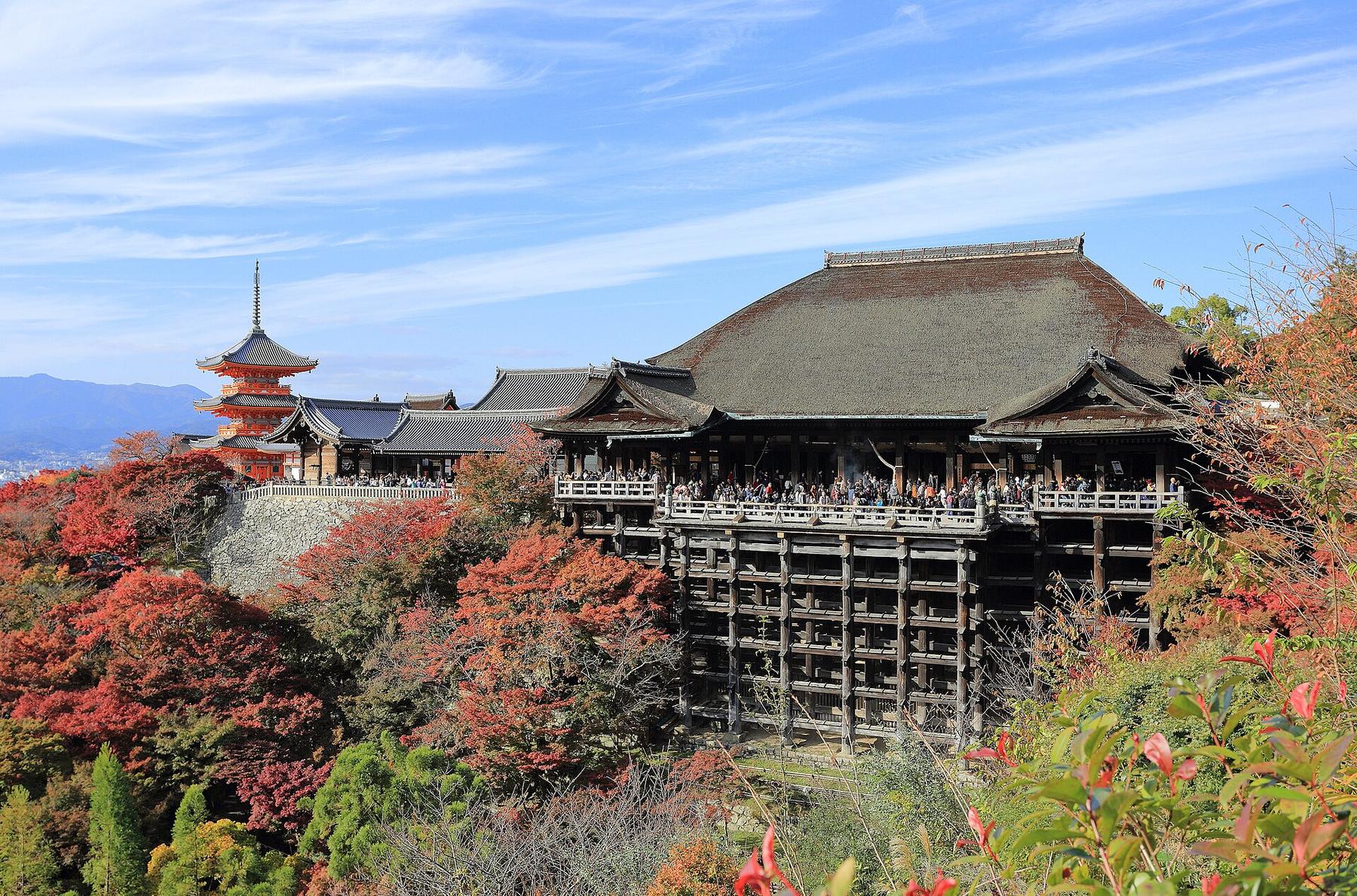
- Higashiyama (east): Kiyomizu-dera, Gion, Yasaka Shrine and the stone-paved lanes of old Kyoto.
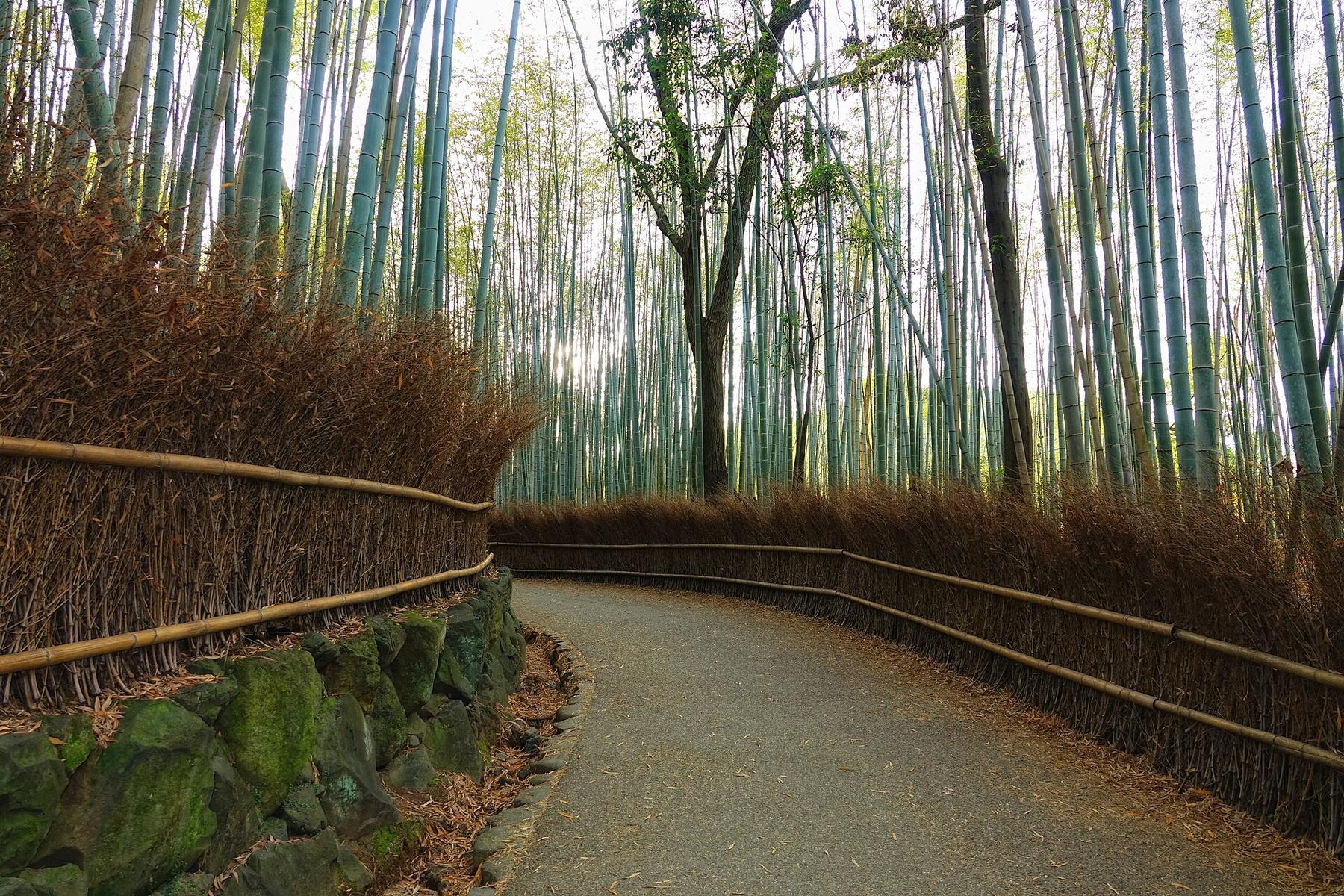
- Arashiyama (west): bamboo grove, riverside paths and temples, usually a half-day trip.
- Northern Kyoto: Kinkaku-ji (the Golden Pavilion), Ryoan-ji's rock garden and quieter temples.
- Central Kyoto: Nishiki Market, shopping arcades, Nijo Castle and the main station area.
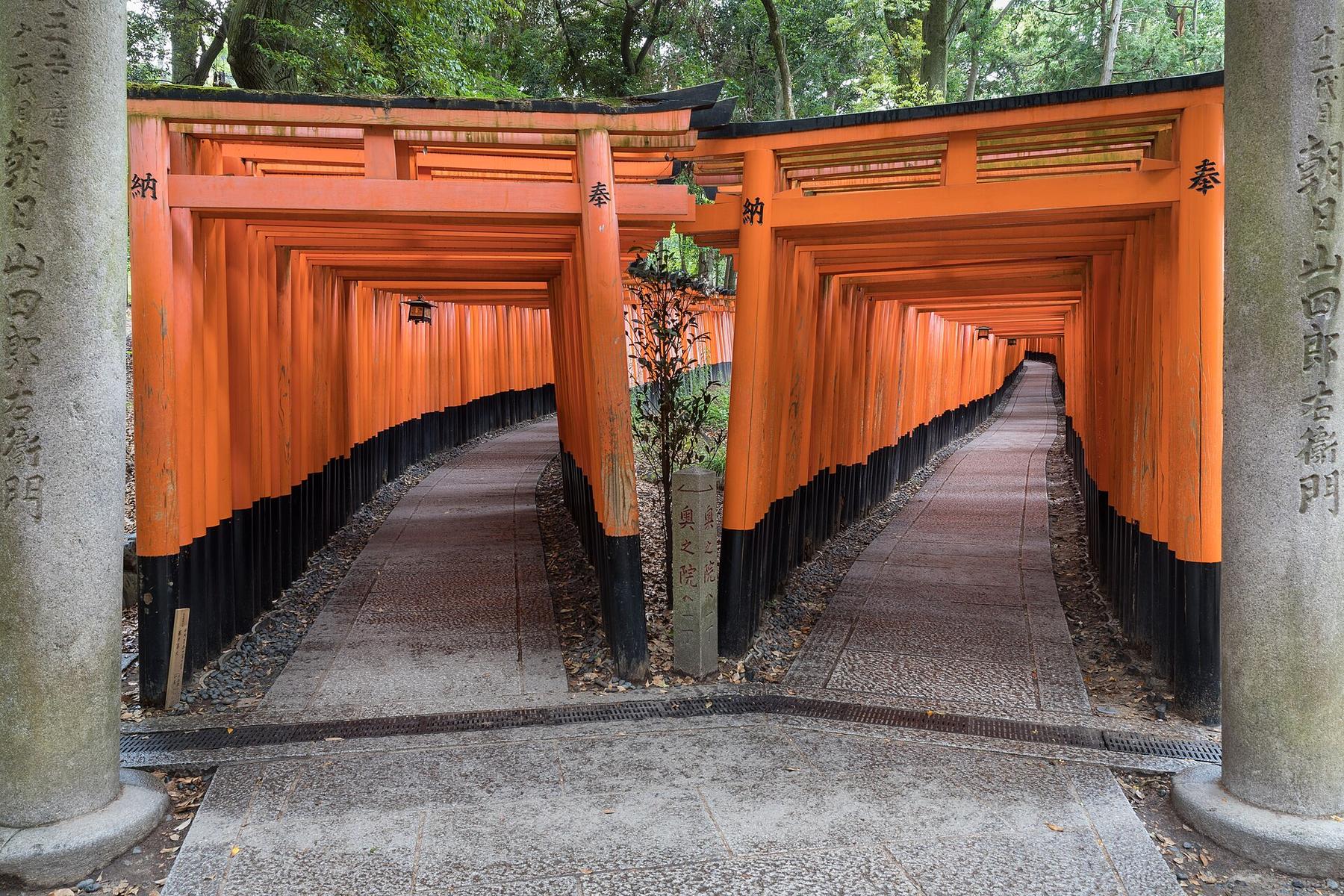
- Fushimi (south): thousands of vermilion torii gates at Fushimi Inari, accessible by a short train ride.
- Uji (further south): a historic town along the river, reachable in under half an hour, known for matcha and a riverside temple that rarely feels crowded even in peak season.
Distances between districts are longer than they look on a simple tourist map, since Kyoto stretches well beyond its historic core. Grouping sights by district, rather than chasing a single famous site across town and back, saves meaningful time over a multi-day visit.
Getting around day to day
Buses cover the temple districts well but are also the slowest option at peak times, since the most popular routes fill up quickly and can require waiting for a second or third bus to board. The subway is faster for central crossings but does not reach Arashiyama or the Fushimi Inari approach directly. A day pass covering buses and, in some cases, the subway is worth comparing against single fares if you plan several crossings in one day. Cycling suits the flatter central and northern districts well, with rental shops common near the station.
Taxis are a reasonable option for short hops when buses are clearly overcrowded, particularly late in the evening or when traveling as a small group where the per-person cost evens out against bus or train fares.
Highlights worth your time
Fushimi Inari Shrine. A long path of torii gates climbs a wooded hill. Go early or late. The lower sections are crowded, while higher sections thin out.
Kiyomizu-dera. A large wooden temple on a hillside with city views. Arrive at opening time.
Gion and Pontocho. Historic evening districts. Be respectful toward residents and do not chase geisha for photos.
Arashiyama. The bamboo grove is photogenic but short, so combine it with Tenryu-ji's garden and the river.
Zen gardens. Ryoan-ji, Daitoku-ji's sub-temples and Nanzen-ji offer contemplative spaces.
Nijo Castle grounds. Beyond the castle building itself, the surrounding moat and gardens are worth a slower walk, especially outside the busiest midday hours.
Tea and sweets. Matcha cafés and tea ceremonies are a real part of the culture. Pick a small, quiet place for a better experience.
Philosopher's Path. A quiet canal-side walking route linking several temples in the northern Higashiyama area, lined with cherry trees that make it a particularly popular route in spring, though it is pleasant in any season.
Nishiki Market. A long, narrow covered shopping street known as "Kyoto's kitchen," good for sampling pickles, sweets and local specialties, best visited with low expectations for personal space given how narrow it is.
Opens Trip.com in a new tab to complete your booking.
Beating the crowds
- Visit famous sites at opening time or in late afternoon.
- Use a train rather than a bus when possible, since buses fill up quickly.
- Choose lesser-known temples in peak seasons. Many have beautiful gardens without queues.
- Stay overnight in Kyoto rather than day-tripping, so you can enjoy early mornings and evenings.
- Weekdays are noticeably calmer than weekends at almost every major site, so shift your itinerary if your schedule allows it.
Etiquette at temples and shrines
Photography rules vary by site and are usually posted clearly; some interior spaces prohibit it entirely to protect fragile artwork. Keep conversation quiet inside temple grounds, and avoid sitting on steps or ledges that are not clearly meant for seating. At shrines, a brief bow before passing through the main gate is a common courtesy rather than a requirement, and following the lead of people around you is a reasonable approach if you are unsure.
When to go
Cherry blossoms (late March to early April) and autumn color (mid to late November) are the most beautiful and the most crowded seasons. Book accommodation early. Summers are hot and humid, though summer festivals, especially in July, are memorable. Winter is cold and quiet, and a light snow over a temple garden is a rare sight.
Shoulder periods just before or after the peak blossom and autumn weeks often give a reasonable compromise: still attractive scenery, noticeably thinner crowds at the most famous sites, and more flexibility for same-day plans.
Money and connectivity
Many smaller temples, traditional shops and local buses still favor cash, so carry enough for a day's admissions and transit even if your hotel accepts cards. Convenience store ATMs are the most dependable option for withdrawals. An eSIM or rental pocket Wi-Fi picked up in Osaka or Tokyo on arrival will cover the whole trip, since Kyoto itself has no international airport of its own.
Opens Klook in a new tab to complete your booking.
How many days do I need in Kyoto?
Two days cover the headline sights. Three or four days let you add Arashiyama, a day trip to Nara and slower time in gardens.
Is Kyoto better as a base or a day trip from Osaka?
Staying overnight in Kyoto gives you early morning and evening access, which are the best times. Osaka works if you prefer nightlife and lower hotel pressure.
What should I wear to temples?
Comfortable walking shoes that are easy to remove. Dress modestly and quietly, and follow any posted rules about photography.
Can I see geisha in Kyoto?
You may glimpse them in Gion in the evenings. Do not block them, follow them or take close photos. Formal tea house events can be arranged through authorized tours.
Is Kyoto walkable, or do I need to rely on buses?
Central districts like Higashiyama and around the station are walkable. Arashiyama and Fushimi are better reached by train, with walking once you arrive.