
Nagoya
On this page
Nagoya is Japan's fourth largest city and a manufacturing powerhouse, home to major automakers. It sits halfway between Tokyo and Osaka and is often a stopover, which is a shame, because it has its own food culture, an impressive castle and easy access to central Japan's mountains and heritage sites. It is less crowded than the big tourist cities, and that is part of the appeal.
Visitors who treat Nagoya as a pure transit point often miss a city with a genuinely distinct food identity, several worthwhile museums and, crucially, some of the easiest access in Japan to the mountain towns of Takayama and Shirakawa-go.
At a glance
- Best for: regional food, a quieter city stay and a base for central Japan.
- How long: one or two days in the city, more for day trips.
- Getting around: subway and trains. The city is easy to navigate.
- Vibe: practical, understated and welcoming.
- Good to know: the shinkansen stops here on the Tokyo to Osaka route.
City layout
Nagoya Station is the main hub, with skyscrapers, shopping and the shinkansen. Sakae is the downtown entertainment and shopping district, a short subway ride away. Osu is a lively market and street culture area with vintage shops and snacks. Nagoya Castle sits north of the center, and the port area to the south has an aquarium.
Nagoya's subway makes the station, Sakae and Osu areas all reachable within a few minutes of each other, so a central hotel keeps most of a short visit's sights within easy range.
Highlights worth your time
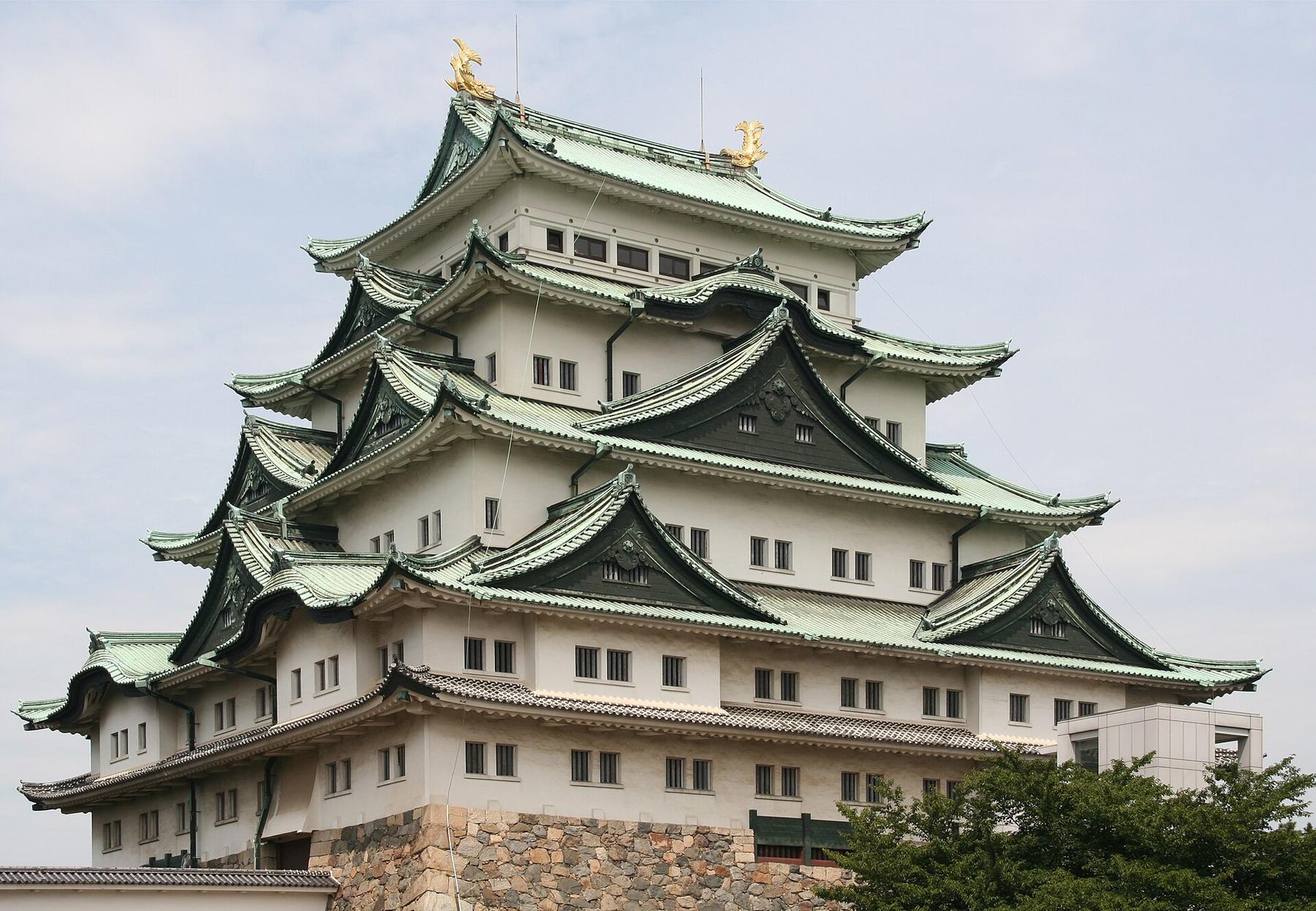
Nagoya Castle. A major castle known for its golden dolphin ornaments on the roof. Check current visiting conditions, as the main keep has been closed for reconstruction in the past.
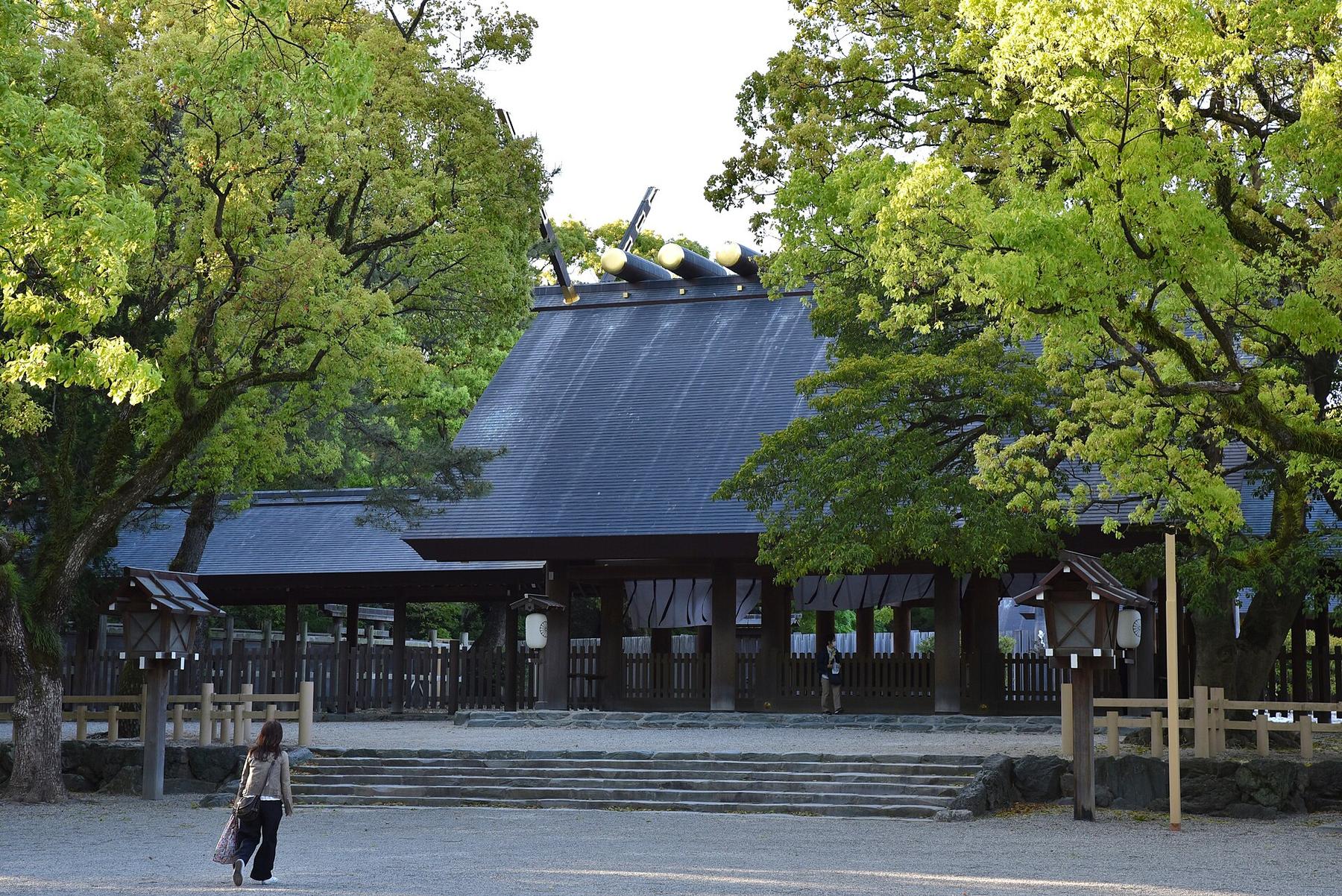
Atsuta Shrine. One of Japan's most important Shinto shrines, set in a quiet forest.
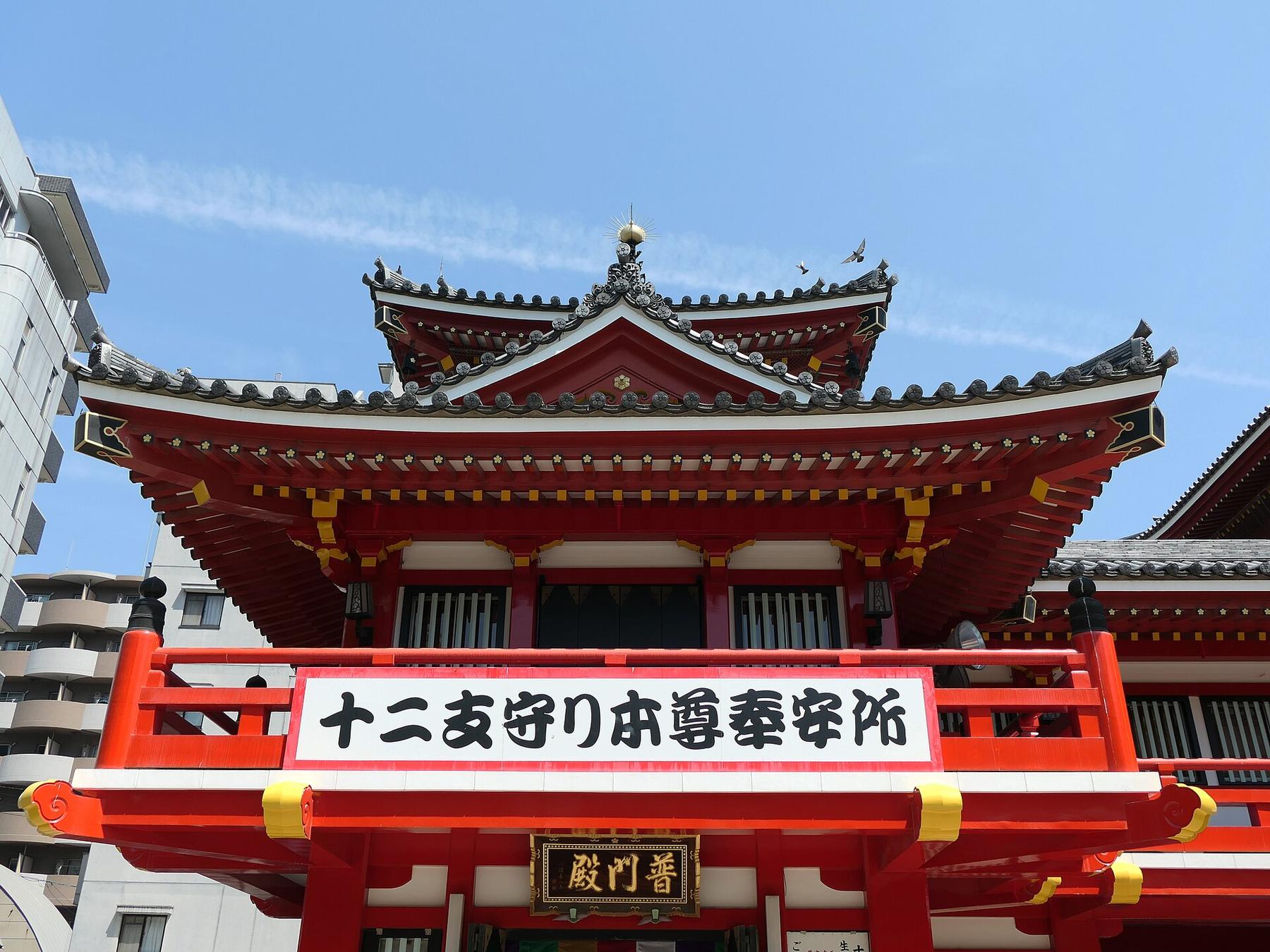
Osu Kannon and Osu Shopping Street. A mix of temple, street food and shops.
Nagoya meshi. The local cuisine is distinct. Try miso katsu (pork cutlet with red miso sauce), hitsumabushi (grilled eel served in three ways), tebasaki (chicken wings) and kishimen noodles.
Museums. Technology and industry museums reflect the region's manufacturing heritage.
Nagoya City Science Museum. Home to one of the world's largest planetariums, a good rainy-day option and a contrast to the city's historic sights.
Money and connectivity
IC transit cards and mobile payment cover most of the city smoothly, in line with the rest of Japan. An airport eSIM or pocket Wi-Fi, arranged before or on arrival at Chubu Centrair, is useful for navigating day trips to Takayama or Shirakawa-go, where signal and signage are less consistently English-friendly than in the city.
Day trips
- Inuyama: a historic castle town on a river.
- Ise Jingu: Japan's most sacred shrine complex, reachable by train.
- Takayama and Shirakawa-go: mountain towns with traditional houses, reachable by bus or train.
- Tokoname: a pottery town with a ceramic walk.
When to go
Spring and autumn are comfortable. Summer is hot and humid. Winter is cool and mostly dry, though mountain areas nearby get snow.
Nagoya as a central-Japan base
Because Nagoya sits almost exactly between Tokyo and Osaka, and has direct rail or bus access to Takayama, Shirakawa-go and Ise, it works well as a base for travelers who want to see central Japan's mountains and heritage sites without constantly repacking and changing hotels.
Opens Klook in a new tab to complete your booking.
Is Nagoya worth visiting?
Yes, especially for food and as a base for central Japan. It is less crowded than other major cities.
How many days do I need?
One or two days for the city. Add more if you plan day trips.
What is Nagoya known for eating?
Miso katsu, hitsumabushi eel, chicken wings and kishimen noodles are classics.
Is it easy to reach from Tokyo and Osaka?
Yes. The shinkansen takes around 1.5 to 2 hours from Tokyo and about 50 minutes from Kyoto.
Is Nagoya worth stopping at even on a short Tokyo-to-Osaka itinerary?
Yes, even a half-day stopover gives time for Nagoya Castle or Atsuta Shrine and a proper Nagoya meshi meal before continuing onward.