
Beijing
On this page
Beijing is China's capital and its cultural heart, a city built on a grand scale. Imperial palaces, temple parks, old alley neighborhoods called hutongs and the Great Wall within day-trip distance make it one of the world's richest history destinations. Distances are large and some sites need advance booking, so planning pays off.
The city rewards visitors who accept its scale rather than fight it. A single day built around one imperial site and one neighborhood walk tends to work far better than an attempt to see several major sights before lunch.
At a glance
- Best for: history, imperial architecture, the Great Wall, food and hutong life.
- How long: four to five days.
- Getting around: the subway, taxis and ride-hailing apps. The subway is extensive and cheap.
- Payments: mobile payment is common. Check options for foreign cards before you travel.
- Good to know: spring and autumn are best. Winter is cold and summer is hot.
City layout
Beijing is built around a central axis running north to south through the Forbidden City, a layout that has shaped the city's streets for centuries and still helps with orientation today.
- Dongcheng: the Forbidden City, Tiananmen Square, Wangfujing shopping and hutongs.
- Xicheng: lakes, Beihai Park, and Houhai's hutong and bar area.
- Chaoyang: the modern district with embassies, offices, art zones and nightlife.
- Haidian: universities and the Summer Palace.
- Outskirts: the Great Wall sections, Ming tombs and mountains.
Distances between these districts are genuinely large by the standards of a typical city center, so a day that mixes a Dongcheng morning with a Haidian afternoon usually loses more time to transit than it gains in sightseeing.
Highlights worth your time
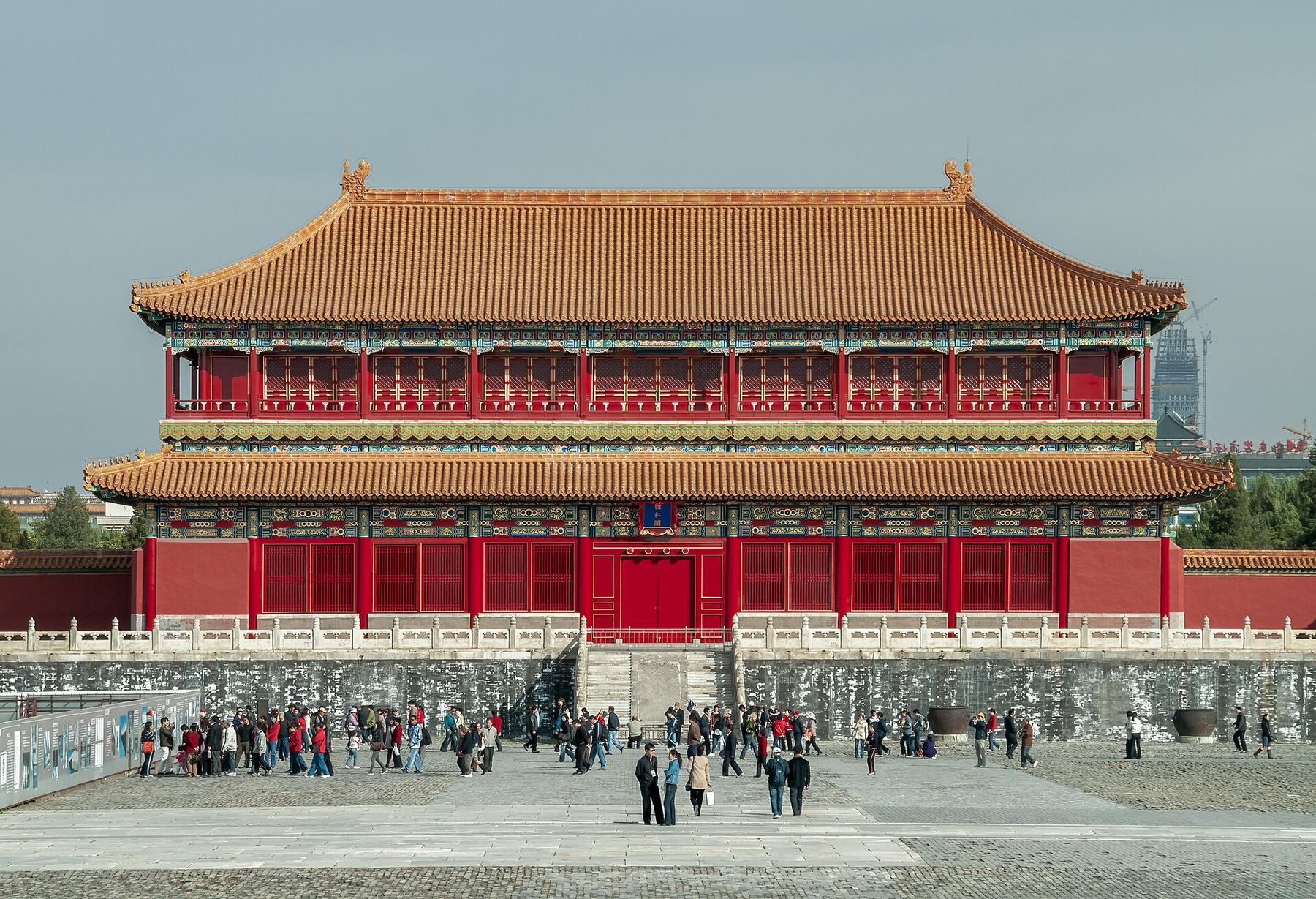
The Forbidden City. The vast imperial palace complex. Book in advance and allow half a day.
Tiananmen Square. A massive public square next to the palace. Security checks apply.
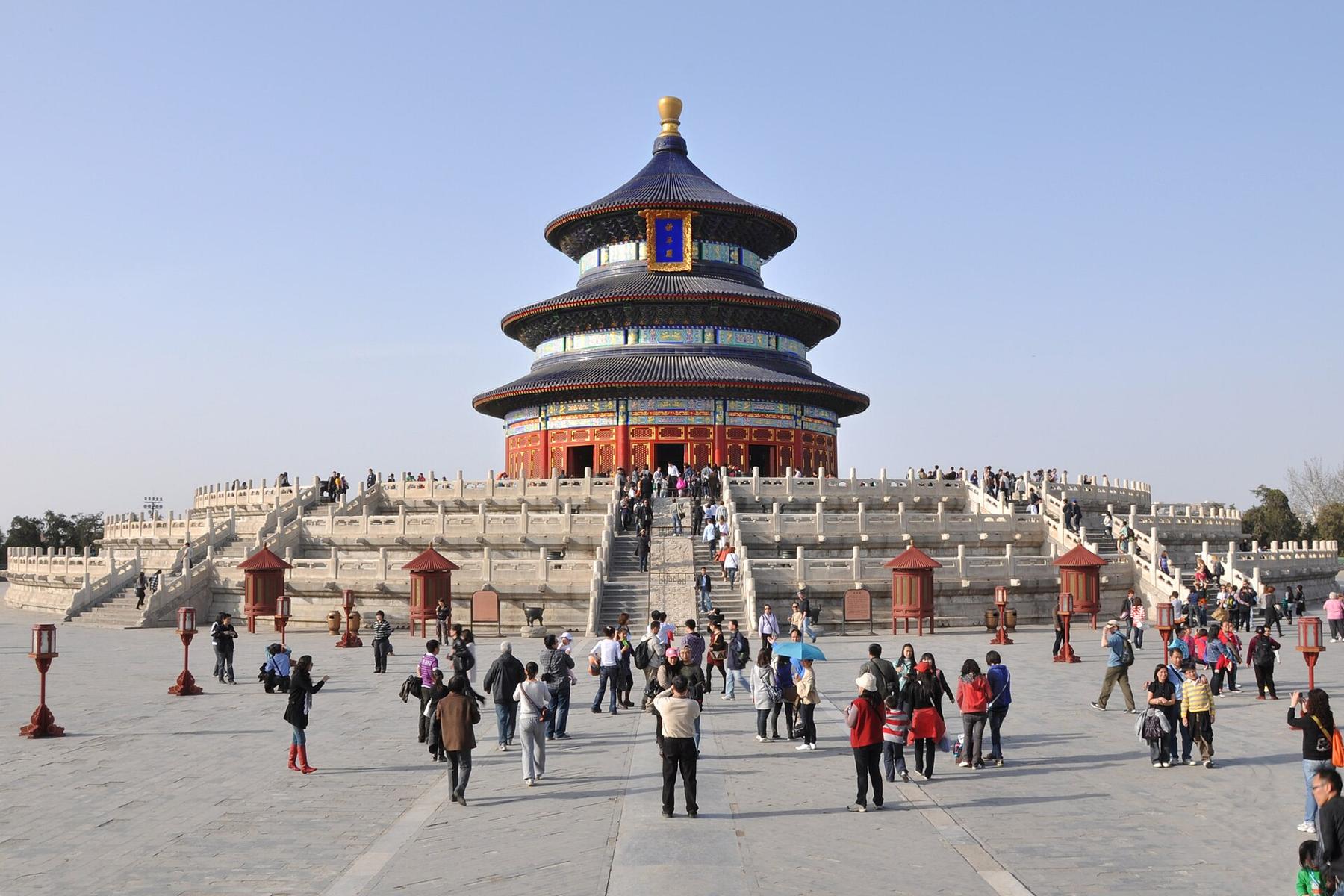
Temple of Heaven Park. A ritual complex where morning exercise and music are part of daily life.
Summer Palace. A lakeside imperial garden with pavilions and a long corridor.
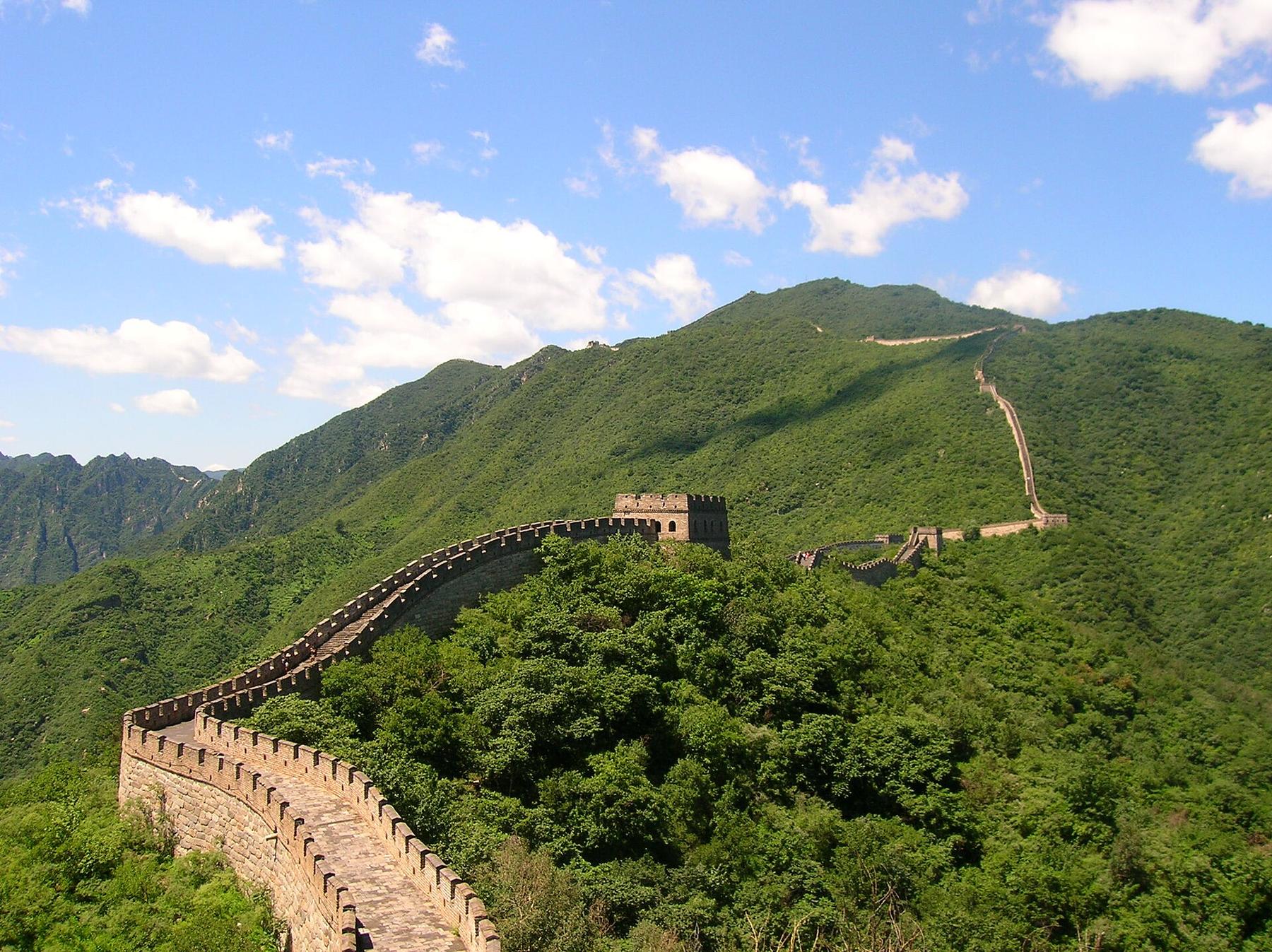
The Great Wall. Choose a section by how much time and effort you have: Badaling is the easiest, Mutianyu has a balance of restoration and views, and Jinshanling offers a wilder walk.
Hutongs. Walk or cycle old alleys near Nanluoguxiang and the lakes, and stop for tea.
Lama Temple. A working Tibetan Buddhist temple with incense smoke and quieter courtyards than the main imperial sites, a good contrast after the Forbidden City's crowds.
Opens Trip.com in a new tab to complete your booking.
Money and connectivity
Mobile payment apps are used for almost everything locally, including small street vendors, and some travelers find it easier to set one up on arrival rather than relying only on cash or foreign cards. An airport eSIM or local SIM is worth arranging before or immediately after landing, since some common apps and services outside China require a workaround to access.
Food
Try Peking duck, hot pot, noodles with sesame paste, dumplings and street snacks. Local restaurants often serve a mix of regional dishes, and a single meal built around several small dishes shared across the table is a more typical way to eat than ordering one main course each.
When to go
Autumn (September to October) is the best, with clear skies and mild weather. Spring is good but dusty at times. Summer is hot and rainy. Winter is dry and cold, though clear winter days can give some of the sharpest views from the Great Wall.
Which section of the Great Wall should I visit?
Mutianyu suits most visitors. Badaling is easiest but busy. Jinshanling is better for walking and photos.
Do I need to book the Forbidden City in advance?
Yes. Entry is limited, so reserve ahead through the official channels and bring your passport.
How many days do I need?
Four to five days lets you see the main sights and one section of the Wall.
Is Beijing hard to navigate?
Not with preparation. The subway is clear and signage includes English.