
Guangzhou
On this page
Guangzhou, once known to the West as Canton, is the heart of Cantonese culture and one of China's great food cities. It has been a trading port for two thousand years, which gives it a distinctive mix of old arcades, colonial-era islands, modern towers and a laid-back attitude. Dim sum here is not a novelty. It is breakfast.
Visitors who come expecting a single famous monument are often surprised that Guangzhou's real draw is more diffuse: a teahouse breakfast, a wander through an old arcade street, a night view of the river. The city rewards slower, food-centered days more than a checklist of sights.
At a glance
- Best for: Cantonese food, markets, history and a gateway to the Pearl River Delta.
- How long: two to three days.
- Getting around: the metro, taxis and ride-hailing apps.
- Vibe: warm, busy and food-focused.
- Good to know: Hong Kong is under an hour away by high-speed rail.
City layout
The Pearl River runs through the center. Yuexiu and Liwan are the old districts, with arcade streets and historic temples. Shamian Island has colonial buildings and tree-lined lanes. Tianhe is the modern business district, with the Canton Tower and high-rises. Haizhu lies across the river, with an exhibition center and creative areas.
Guangzhou's old and new halves sit closer together than in many Chinese megacities, so a single day can realistically combine an old-town morning with a Tianhe-district evening without a long transfer.
Highlights worth your time
Dim sum. Go to a teahouse in the morning, order steamed shrimp dumplings, rice rolls and egg tarts, and take your time.
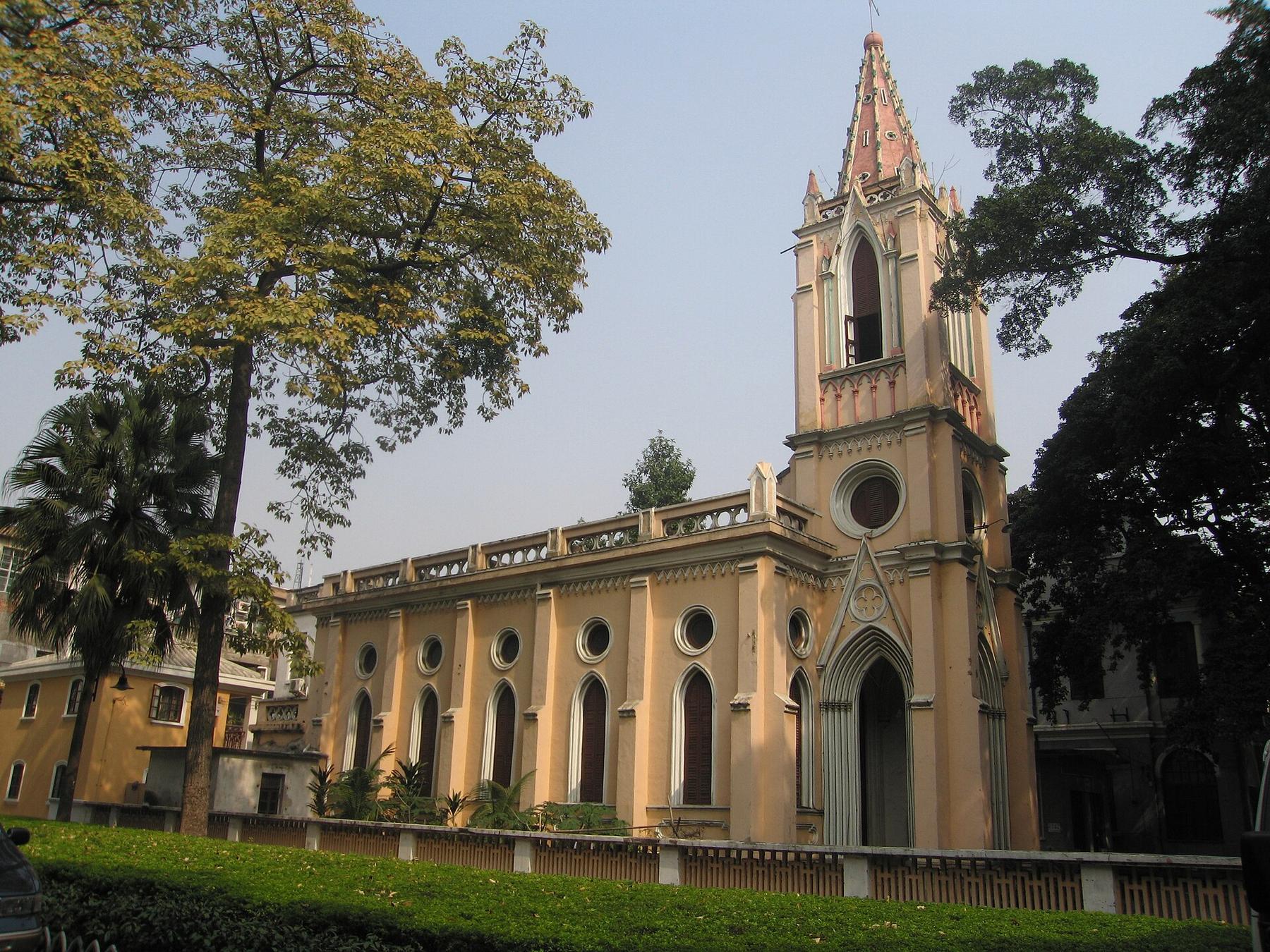
Shamian Island. A quiet island with European-style buildings and cafés.
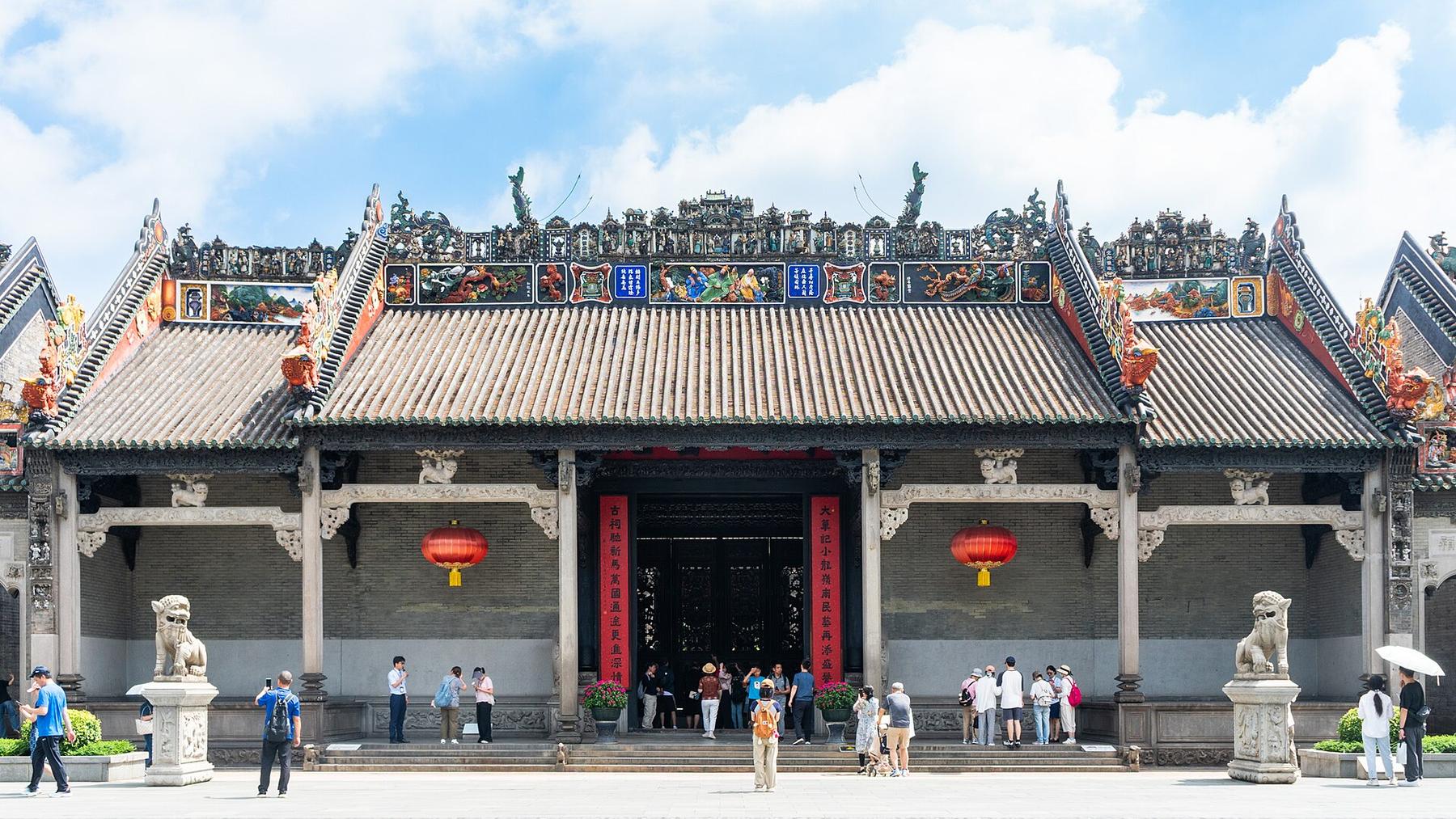
Chen Clan Ancestral Hall. A richly decorated traditional building with ceramic and wood carvings.
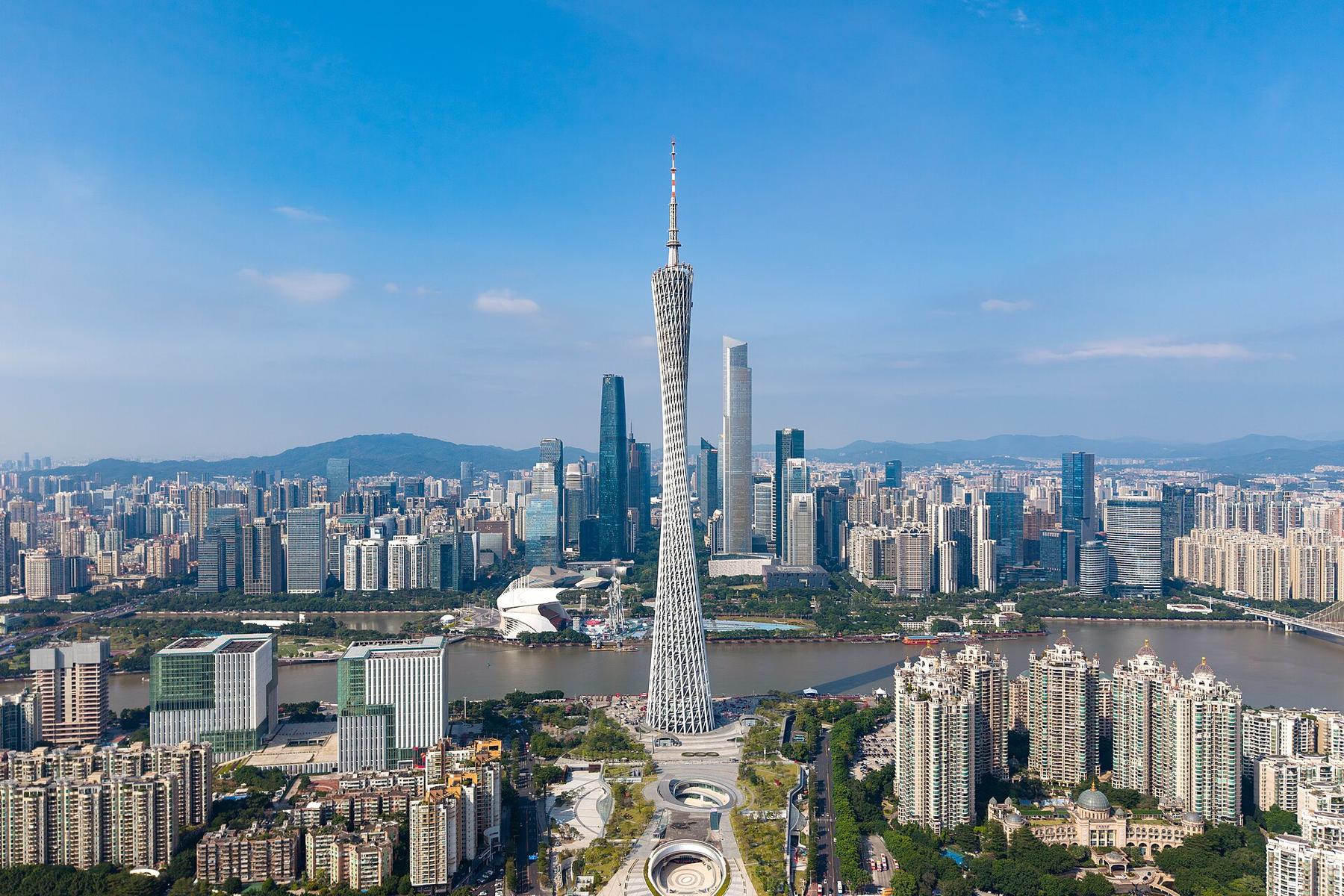
Canton Tower. A slender tower with views and night lighting.
Shangxiajiu Pedestrian Street. Old arcade buildings, shops and snacks.
Qingping Market and Beijing Road. Markets and historic shopping streets (check what is open).
Baiyun Mountain. A green hill on the city's edge with walking trails and wide views, a straightforward half-day escape from the street-level bustle below.
Opens Trip.com in a new tab to complete your booking.
Money and connectivity
Mobile payment apps handle almost every transaction, from teahouses to market stalls, and setting one up soon after arrival makes daily spending far easier than relying on cash. An airport eSIM or local SIM, arranged before or shortly after landing, is worth having for maps and translation apps throughout the trip.
Food
Cantonese cuisine emphasizes freshness. Try roast goose, congee, clay pot rice, wonton noodles and herbal soups. Dessert shops serve ginger milk curd and double-skin milk.
Eating well in Guangzhou rarely requires a reservation or a famous name; a busy local spot with a short, specific menu is often a better bet than a large restaurant trying to cover every regional style at once.
When to go
Autumn and winter are the most comfortable. Spring is humid and drizzly. Summer is hot with heavy rain.
How far is Guangzhou from Hong Kong?
By high-speed rail, under an hour from West Kowloon station to Guangzhou South, plus transfers.
Is Guangzhou worth visiting for food?
Yes. It is one of the best places in the world for Cantonese cuisine.
How many days should I plan?
Two to three days is enough for the main sights and several meals.
Can I use the same payment methods as other Chinese cities?
Mobile payment is common. Check foreign card and wallet options before you travel.