
Tokyo
On this page
Tokyo rewards planning more than almost any city in Asia. It is not one center but a dozen, each with its own mood, strung along rail lines that run on time to the minute. A trip goes well when you pick the right two or three neighborhoods and stop trying to see them all. This guide covers how the city is laid out, when to go, what it costs in time rather than money, and how to build days that do not collapse into transit.
At a glance
- Best for: food, design, shopping, neighborhoods with distinct personalities, and day trips by train.
- How long: four to six days covers the core. A week lets you add a day trip and slow mornings.
- Getting around: rail, almost entirely. Buy a rechargeable IC card (Suica or Pasmo, also available on a phone wallet) and tap through.
- Language: signage on major lines is bilingual. Translation apps handle menus well.
- Cash: cards are widely accepted now, but small restaurants, shrines and some stalls still prefer cash.
The shape of the city
Most visitors spend their time inside the loop of the Yamanote Line, a circular train that links the main hubs. Think of it as a clock face, and plan each day around one or two positions on it rather than crossing the dial repeatedly.
- Shinjuku is the busy western anchor: towering station, neon alleys, department stores and a calm garden a few minutes away.
- Shibuya and Harajuku are the youth-culture corner, with the famous crossing, fashion streets and Meiji Shrine's forested grounds.
- Tokyo Station and Ginza are the polished east: business towers, high-end retail, and the shinkansen to everywhere else.
- Ueno and Asakusa are the older, lower-key northeast, with museums, temple streets and a more traditional rhythm.
- Roppongi and Azabu sit to the south, known for art museums, nightlife and international dining.
- Akasaka and Kagurazaka sit between Shinjuku and the Imperial Palace, quieter and more residential, with cobbled lanes and small restaurants that feel far from the main hubs despite being minutes away by train.
- Kichijoji, west of the Yamanote loop, pairs a large park with a dense grid of bars, bookshops and secondhand clothing stores, and is popular with residents rather than tour groups.
Outside the loop, neighborhoods such as Shimokitazawa, Koenji and Nakameguro reward a second visit, with thrift shops, small cafés and a local feel. The trade-off for venturing outside the Yamanote is a longer return trip late at night, so weigh that against how late you plan to stay out.
Highlights worth your time
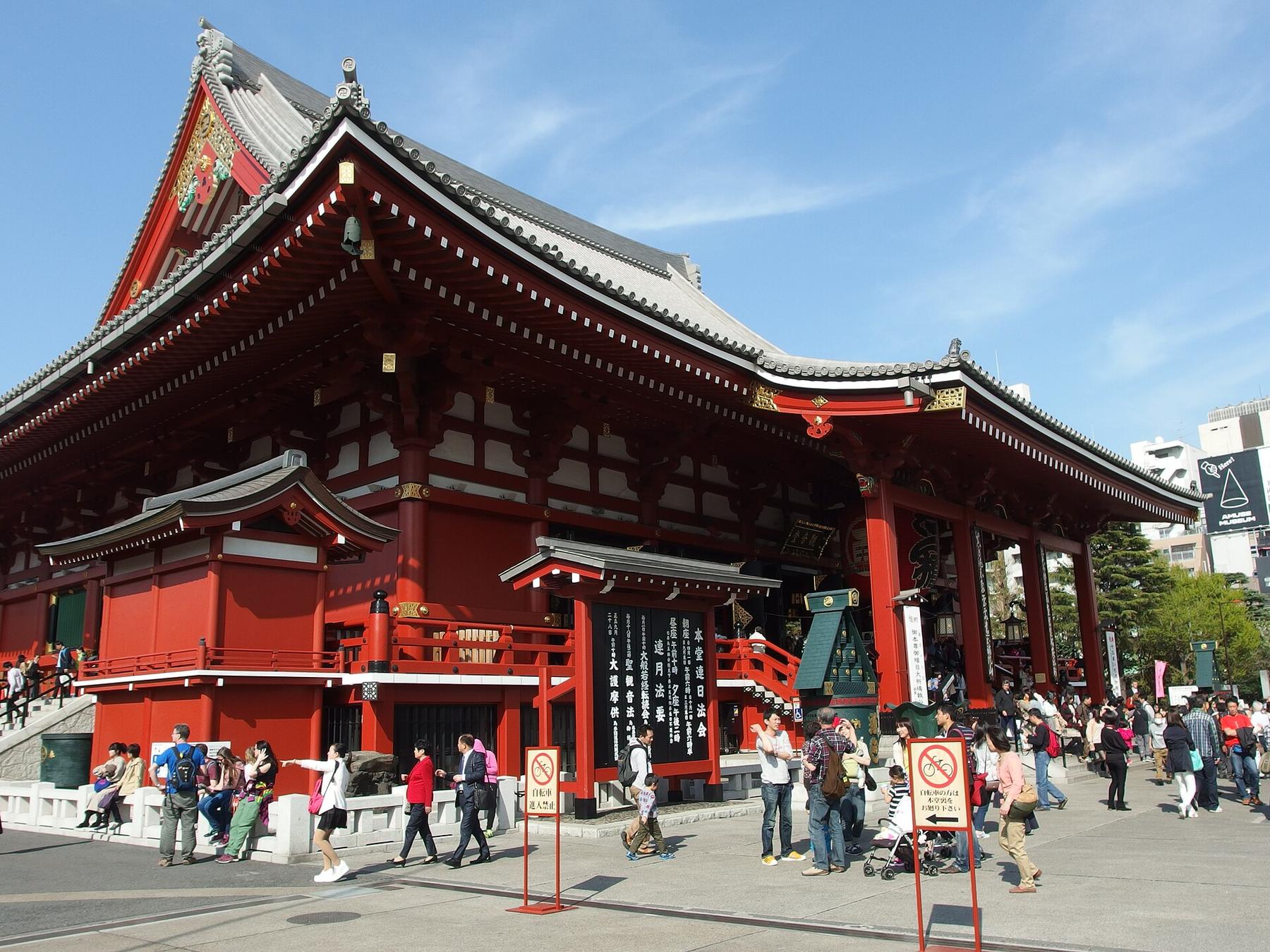
Temples and shrines. Senso-ji in Asakusa is the best-known, and it is best early in the morning before the shopping street fills. Meiji Shrine, tucked into a wooded park near Harajuku, is the better choice if you want quiet.
Food at every level. Tokyo has world-class sushi counters, but the everyday meal is the draw: ramen shops, standing soba bars, izakaya, convenience-store breakfasts and department store food halls in the basement floors. You rarely need a reservation for ordinary meals. You do for the famous counters, and those fill weeks ahead.
Neighborhood wandering. Walking from Shimokitazawa's vintage shops to Nakameguro's canal, or through Yanaka's old streets, shows a calmer Tokyo than the main hubs.
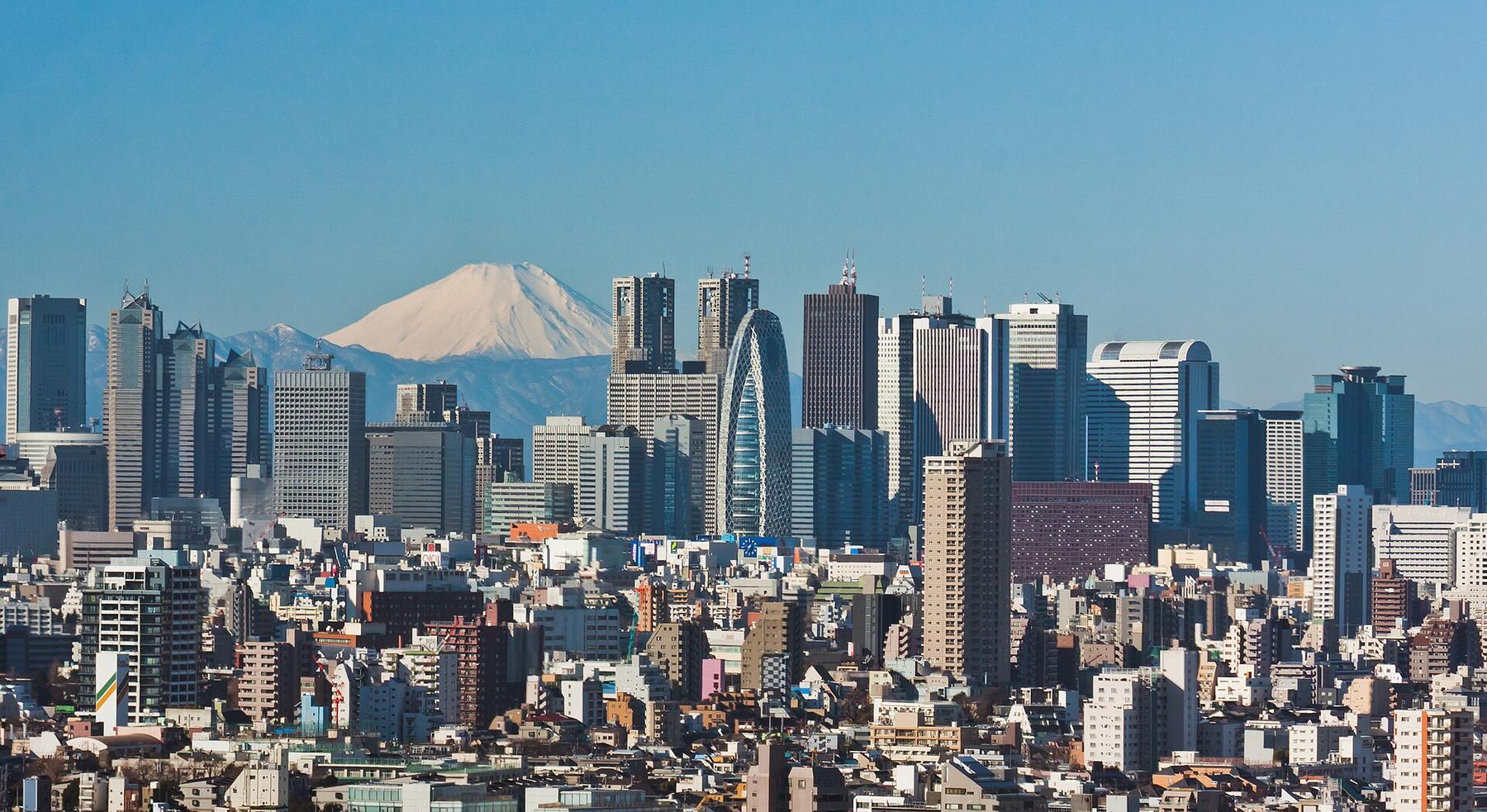
Views. The city is huge, and a high vantage point makes that real. Clear days after rain give the sharpest sight lines, and Mount Fuji is sometimes visible in cooler months.
Museums and design. From traditional crafts to contemporary art and immersive digital exhibits, there is a museum for nearly every taste. Check each venue's own page before going, since exhibits and booking rules change.
Seasonal festivals. Shrine festivals, fireworks displays and seasonal illuminations run through the year in different neighborhoods. They are rarely aimed at tourists, which is part of the appeal, so checking a local events calendar before your trip can turn up something worth building an evening around.
Opens Trip.com in a new tab to complete your booking.
Money and staying connected
Most travelers now get by on cards and phone payments for hotels, trains and larger stores, but it is worth carrying some cash for shrines, small family-run restaurants, old-fashioned arcades and some markets. Convenience store ATMs are the most reliable way to withdraw cash and are open at all hours.
For data, an airport eSIM or a pocket Wi-Fi router picked up on arrival covers most trips. Major stations and many cafés also have free Wi-Fi, though it is not always fast enough to rely on for navigation, so do not count on it alone.
Staying oriented without relying on memory
Station names in central Tokyo often repeat parts of a neighborhood's name, which helps, but exits at large stations can be numbered in the dozens and surface blocks apart from each other. Before leaving a platform, check which exit number is closest to where you are headed rather than guessing and surfacing on the wrong side of a station. A map app's indoor station layout, where available, is more reliable than trying to read posted signage while in motion through a crowded concourse.
A note on scale
It helps to think of Tokyo less as one city and more as a cluster of self-contained towns that happen to share a rail network. A visitor who tries to treat it like a single compact downtown usually ends up frustrated by travel time; a visitor who accepts that each neighborhood is its own half-day trip tends to enjoy it far more. This is also why repeat visitors often say their second or third trip felt easier than the first — not because the city got smaller, but because they stopped trying to cover all of it at once.
When to go
- Late March to early April: cherry blossom season. Beautiful and crowded, and the exact dates shift each year.
- April to May: pleasant weather, but Golden Week (late April into early May) packs trains and raises prices.
- June: rainy season. Gray, humid, quieter.
- July to August: hot and very humid. Festivals and fireworks are the reward. Mid-August (Obon) is busy for domestic travel.
- October to November: the best balance for many travelers. Mild days, clear skies and autumn color arriving in late November.
- December to February: cold but dry and sunny. Winter illuminations brighten the city and crowds are lighter after New Year.
Planning that saves time
Base yourself near a major station with direct lines to where you want to go. Cluster activities by area, so a day in the east does not end with a long ride west. Leave one unscheduled afternoon. Tokyo's best moments often come from a side street you did not plan to enter.
Plan around closing times. Many restaurants close mid-afternoon between lunch and dinner service, and some museums close one weekday a week. Last trains run around midnight, so late dinners need a plan for getting back.
Rush hour on weekday mornings is intense on central lines. If your schedule is flexible, start an hour later or earlier to avoid the worst of it, especially if you are carrying luggage between hotels.
A typical day, structured loosely
A workable rhythm is one anchor sight in the morning before crowds build, a long unhurried lunch, a second, lighter activity in the afternoon, and an early evening left open for wherever the day has pointed you — a market street, a park, a train line you have not tried yet. Trying to fit three major sights into one day usually means rushing all three and remembering none of them well.
Everyday etiquette
Tokyo runs on a lot of small, unwritten rules that make shared spaces work: queue in marked lines on platforms, let passengers off the train before boarding, keep phone calls off trains, and avoid eating while walking in busy shopping streets. None of this is strictly enforced, but following it is the fastest way to blend in rather than stand out, and locals notice the effort.
Opens Klook in a new tab to complete your booking.
How many days do I need in Tokyo?
Four to six days works well for first-timers. That is enough for three or four neighborhoods and a taste of the food scene. Add a day trip such as Kamakura, Nikko or Hakone if you have a week.
Is Tokyo hard to navigate without Japanese?
No. Major stations and train lines are signed in English, and station numbering makes routes easy to follow. A maps app with live train directions covers almost everything.
Should I use a rail pass in Tokyo?
Usually not for Tokyo alone. An IC card handles local trains and subways well. A rail pass makes sense only if you plan several long-distance shinkansen trips, so compare your actual route first.
What is the best area to stay in for a first visit?
Shinjuku and the Tokyo Station area are the easiest first-time bases for transit access. Asakusa and Ueno suit travelers who prefer a quieter, older feel.