
Fukuoka
On this page
Fukuoka is the gateway to Kyushu, Japan's southwestern island, and one of the country's most livable cities. It is compact, close to the sea, and known for food that locals take seriously. The airport sits a few minutes from downtown, which makes Fukuoka an easy addition to a Japan itinerary and a popular quick trip from other Asian cities.
Visitors coming from Tokyo or Osaka are often struck by how unhurried Fukuoka feels by comparison, a city sized so that most of what matters is within a short subway ride rather than spread across a sprawling metro area.
At a glance
- Best for: food, short city breaks, shopping and a base for Kyushu.
- How long: two days for the city, more for day trips.
- Getting around: subway, buses and walking. Many sights are close together.
- Vibe: relaxed, friendly and easy.
- Good to know: Fukuoka is a convenient entry point for Kyushu and western Japan.
City layout
The city has two main centers. Hakata is the station area, with the shinkansen, shopping and business hotels. Tenjin is the main downtown, a short subway ride away, with department stores, underground malls and nightlife. Between them, the Nakasu island sits on a river and holds many food stalls and bars.
Hakata and Tenjin are close enough that choosing between them for a hotel base matters less than in most cities; either one leaves you a five-to-ten-minute subway ride from the other.
Highlights worth your time
Yatai food stalls. Open-air food carts line the river around Nakasu and Tenjin in the evening. Order small plates, ramen and skewers at a counter shared with locals. Hours vary by stall.
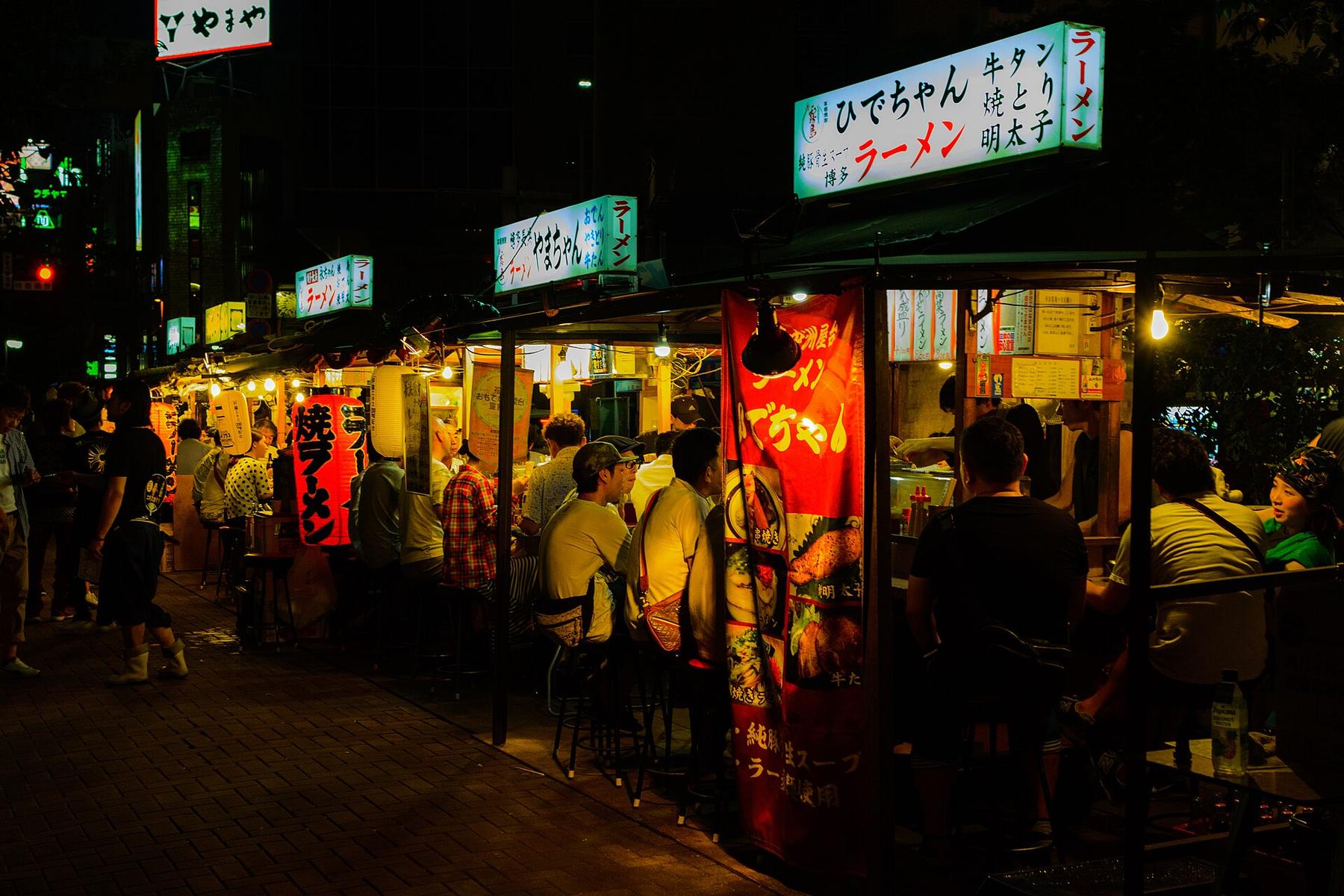
Hakata ramen. The local style uses a rich pork bone broth with thin noodles. Many shops let you order a second helping of noodles.
Local specialties. Try motsunabe (offal hot pot), mentaiko (spicy cod roe) and fresh seafood.
Ohori Park. A lake park with a walking path, suited to relaxing mornings.
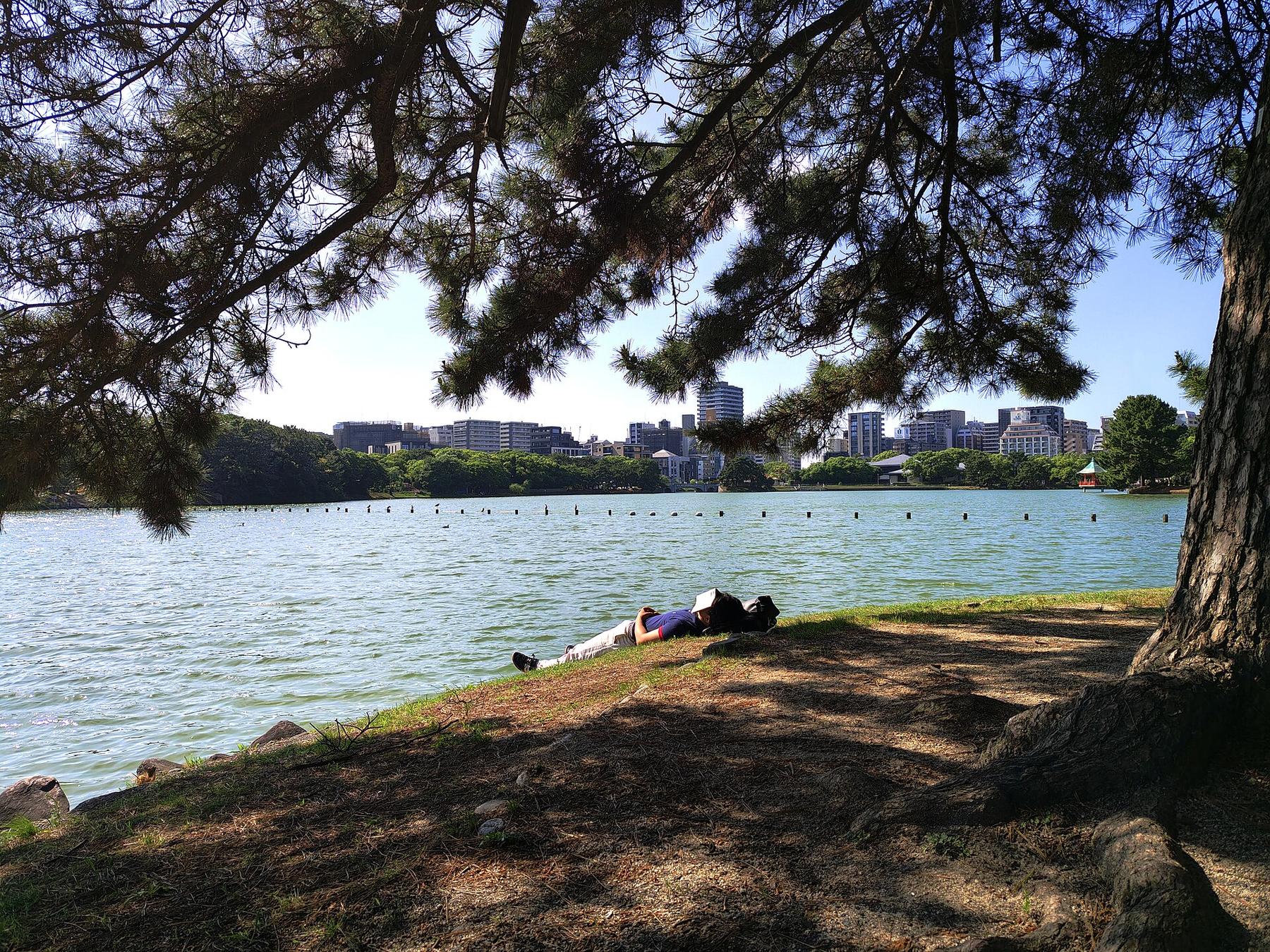
Fukuoka Castle ruins. A hilltop park with views and spring blossoms.
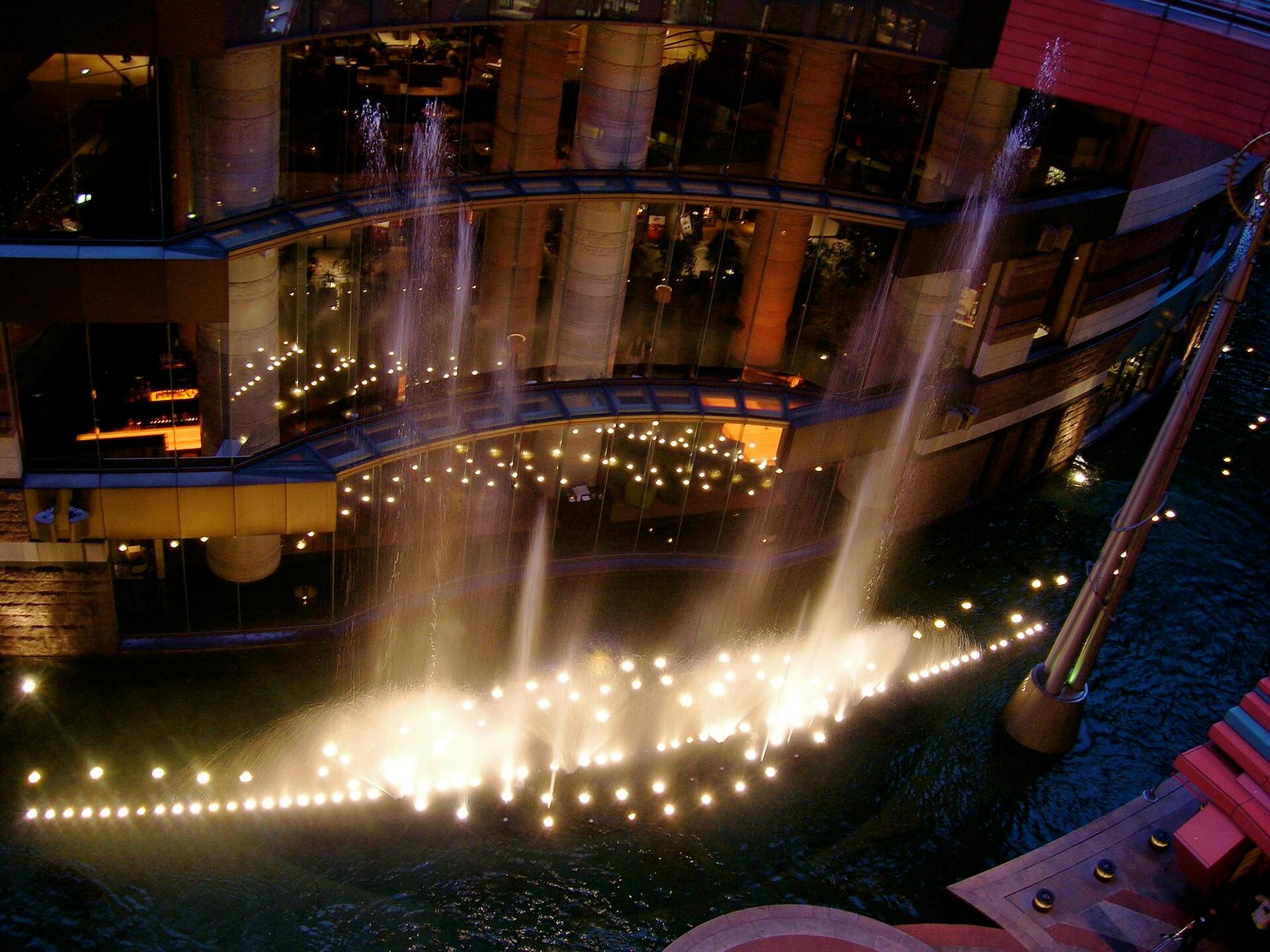
Canal City and Tenjin shopping. Large complexes with fountains, malls and events.
Hakata Old Town's temple cluster. A handful of quiet temples near the station, including one tied to the origin of udon and soba in Japan, an easy stop before or after a Hakata ramen meal.
Money and connectivity
Mobile payment and IC transit cards cover most purchases, though yatai stalls often run on cash only, so carrying some is worth it for an evening of stall-hopping. An airport eSIM or pocket Wi-Fi, easy to pick up given how close the airport is to downtown, covers the rest of the trip.
When to go
Spring brings cherry blossoms in late March, and autumn offers comfortable weather. Summer is hot and humid, with festivals such as Hakata Gion Yamakasa in July. Winters are mild compared to northern Japan.
Planning notes
Fukuoka suits slow travel. Use the evenings for food stalls and the days for short trips. Because the airport is close, you can arrive in the morning and start your trip right away. Be prepared to queue at popular ramen shops.
A loose two-day plan — one day in the city center between Hakata and Tenjin, one day for a Dazaifu or Yanagawa trip — fits the relaxed pace Fukuoka rewards better than a tightly scheduled itinerary.
Opens Klook in a new tab to complete your booking.
How many days do I need in Fukuoka?
Two days cover the city and its food. Add a day for Dazaifu or another trip.
Is Fukuoka worth visiting for food alone?
Yes. Ramen, yatai stalls and seafood are major reasons people come.
Is it easy to reach from other Japanese cities?
Yes. The shinkansen connects to Osaka and Hiroshima, and there are many domestic flights.
Are yatai stalls suitable for first-time visitors?
Yes, though seating is small and some stalls are cash-focused. Go with an open mind and try a few dishes.
Is Fukuoka a good first stop in Japan?
It can be, especially for travelers arriving from elsewhere in Asia on a short regional flight, since the airport's short transfer gets you into the city almost immediately.