
Surabaya
On this page
Surabaya is Indonesia's second largest city and the capital of East Java. It is a port city with a proud revolutionary history, a strong food culture and a practical, direct character. Most visitors use it as a gateway to Mount Bromo, Malang and the Ijen crater, but the city itself rewards a day or two with old Dutch buildings, mosques, markets and very good street food.
Travelers who treat Surabaya purely as a transit point often miss a genuinely interesting city; a single day built around the Old Town and the Ampel quarter gives a real sense of the place before heading onward to the volcanoes.
At a glance
- Best for: food, history and as a gateway to East Java's volcanoes.
- How long: one or two days in the city, more with Bromo and Malang.
- Getting around: ride-hailing, taxis and buses. The city is spread out.
- Vibe: hot, busy and unpretentious.
- Good to know: midday heat is strong, so plan outdoor activities for morning and evening.
City layout
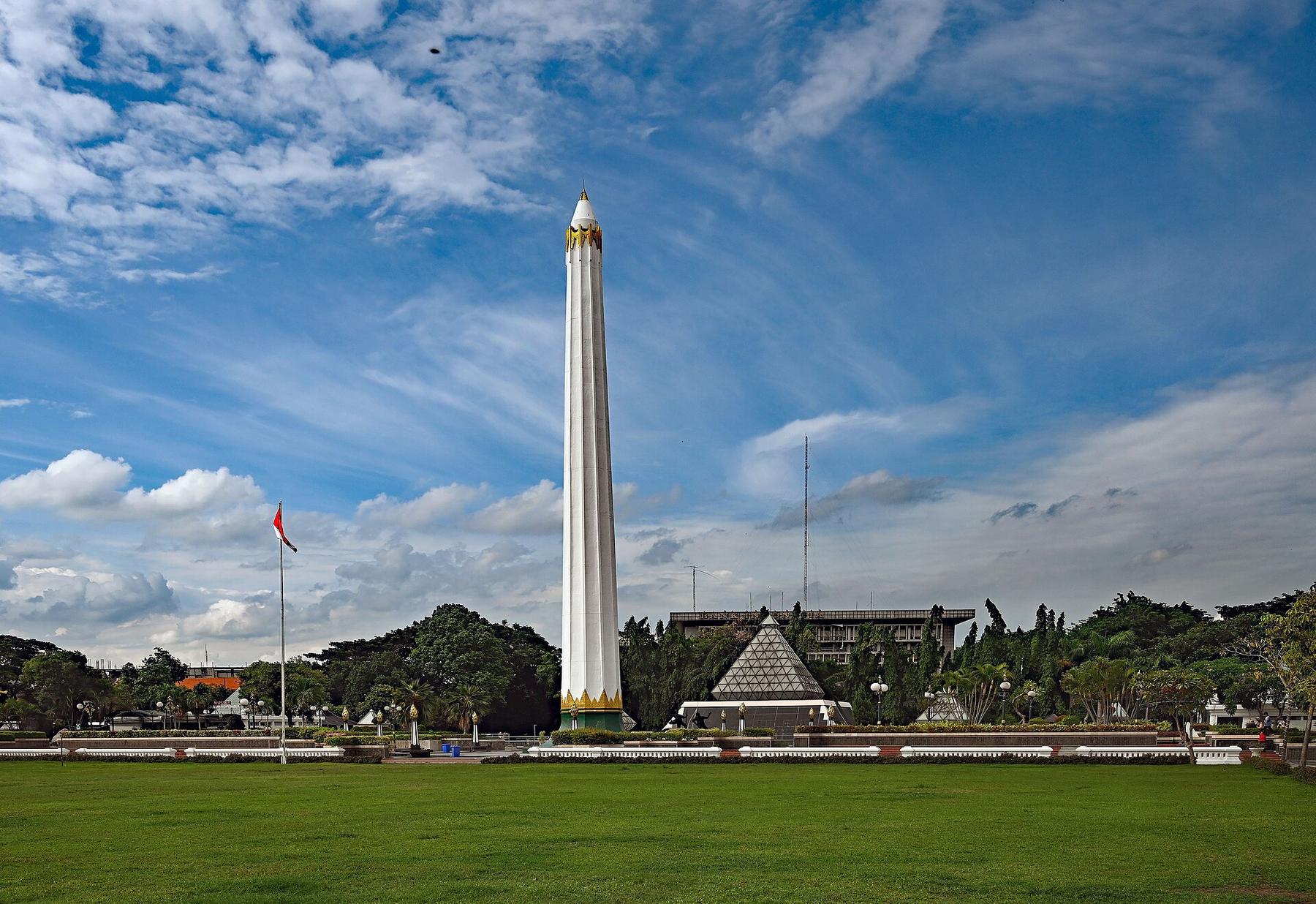
The center lies around the Tunjungan shopping area and Tugu Pahlawan, the Heroes Monument. The Old Town in the north has Dutch trading buildings and the Chinese quarter. Ampel is a historic Arab and Muslim quarter with a mosque and market. Modern malls and residential areas spread to the west and south.
Surabaya's sights are spread across a genuinely large area, so grouping the Old Town and Ampel into one morning, rather than trying to see them alongside the southern malls in the same outing, works better given the heat and distances.
Highlights worth your time
Heroes Monument and Museum. Honors the 1945 Battle of Surabaya, a pivotal event in the independence struggle.
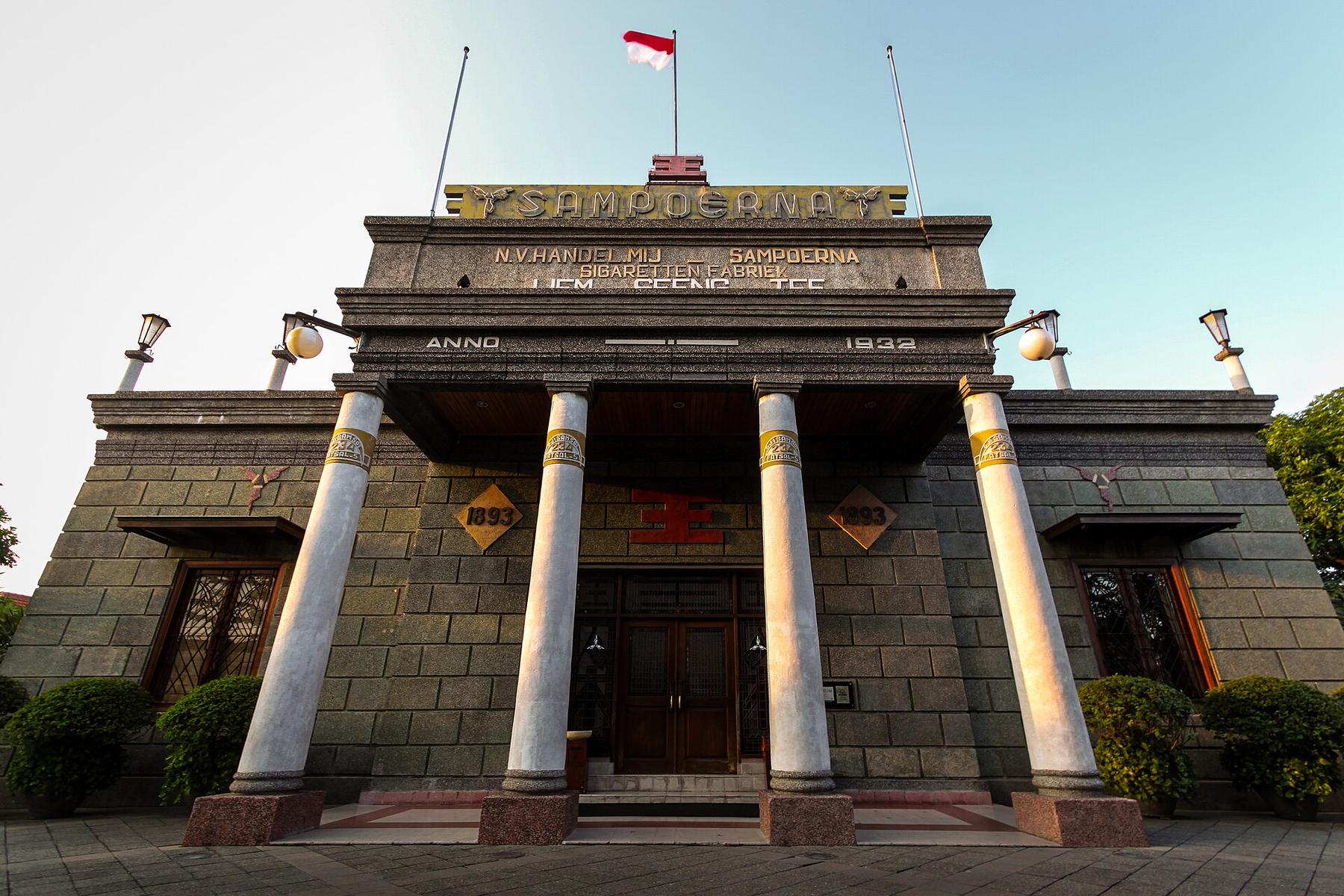
House of Sampoerna. A museum in a historic clove-cigarette factory, with a tour of hand-rolling work.
Ampel Mosque and the old quarter. A traditional market and street food.
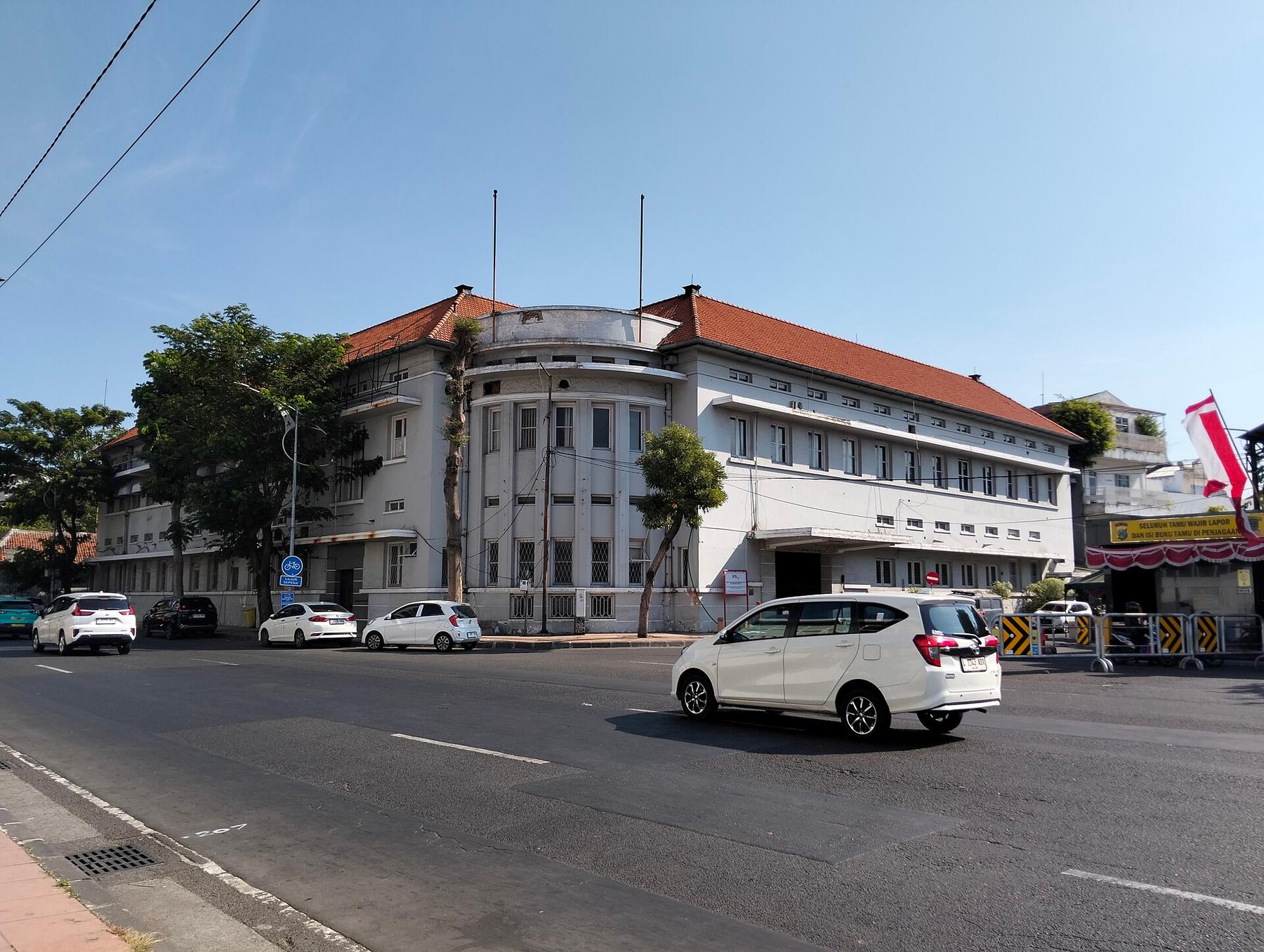
Old Town (Kota Lama). Dutch-era buildings, some restored, along Jembatan Merah.
Surabaya Zoo and parks. A longstanding zoo and green spaces.
Food. Try rawon (black beef soup), rujak cingur, lontong balap and soto ayam.
Kenjeran Bridge at sunset. A newer landmark across the bay, with food stalls and a view over the water, a straightforward evening stop after a hot day of sightseeing.
Money and connectivity
Cards work at malls and larger restaurants, but markets and street stalls mostly run on cash. An airport eSIM or local SIM, easy to arrange on arrival, is useful for coordinating a Bromo or Malang trip, where mobile signal can be patchy once you're off the main roads.
Gateway to East Java
Mount Bromo, the famous volcano, is a few hours away. Many travelers leave in the night to see sunrise from a viewpoint, so check the latest access rules. Malang, a cooler city, lies in between, with colorful kampung neighborhoods and gardens. Ijen, famous for blue fire and a turquoise crater lake, is farther east and often requires an overnight stay.
When to go
The dry season (May to September) is the most comfortable and best for volcano trips. The wet season brings heavy rain and fog.
Planning a Bromo add-on
Most Bromo sunrise trips start from a town partway there rather than directly from Surabaya, meaning a one-night stop closer to the volcano makes the pre-dawn departure far more manageable than attempting it straight from a Surabaya hotel.
Opens Klook in a new tab to complete your booking.
Is Surabaya worth visiting?
Yes, especially for food and history, and as a base for Bromo and Malang.
How far is Mount Bromo from Surabaya?
About three to four hours by road, depending on traffic and route.
How many days do I need?
One or two days for the city. Add two or three for Bromo and Malang.
Is the street food safe?
Choose busy stalls with fresh food, and drink bottled water.
Is Surabaya a good first stop in East Java?
Yes. Its airport is the main gateway for the region, making it a practical place to start or end a trip that includes Bromo, Malang and Ijen.