
Goa
On this page
Goa is India's smallest state and its best-known beach destination, a former Portuguese colony on the Arabian Sea coast. It has long beaches, whitewashed churches, spice plantations, markets and a relaxed attitude. The key decision is north or south: the north is lively and social, and the south is quieter and more refined.
Visitors who try to base in one spot and see "all of Goa" often end up disappointed with the choice, since north and south genuinely differ in character; committing to one half for the mood you actually want, rather than splitting a short trip thin, usually works better.
At a glance
- Best for: beaches, nightlife, food, yoga and heritage.
- How long: four to six days.
- Getting around: rented scooters, taxis, ride-hailing in some areas and local buses. A car with driver is easy for day trips.
- Seasons: November to February is the peak. June to September is monsoon, with many places closed.
- Good to know: distances between north and south can be long in traffic.
North and South
North Goa includes Baga, Calangute, Candolim, Anjuna and Vagator. It is lively, with beach shacks, clubs, markets and watersports. Arambol and Morjim are quieter, with a hippie vibe.
South Goa includes Palolem, Agonda, Colva and Benaulim. Beaches are quieter and more scenic, with resorts and fewer crowds.
Panaji and Old Goa form the capital area, with Portuguese-era churches, old Latin quarter streets and a UNESCO World Heritage site.
Panaji sits roughly between the two halves, making it a reasonable one-night stop if you want to see Old Goa's churches without basing your whole trip around either beach region.
Highlights worth your time
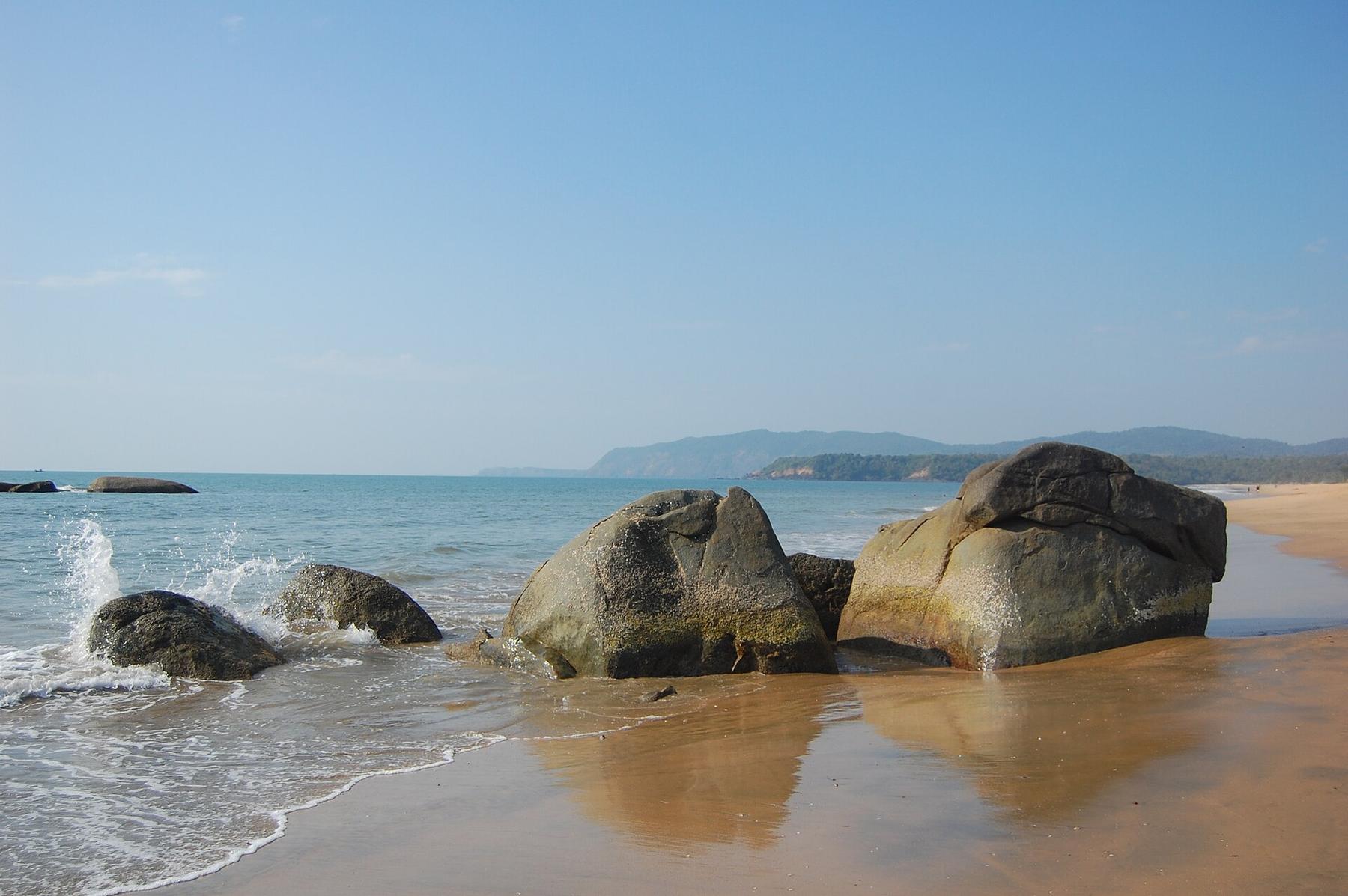
Beaches. Choose by mood. Baga and Calangute for energy, Palolem for a palm-lined cove, Agonda for peace.
Old Goa churches. The Basilica of Bom Jesus and the Se Cathedral, huge baroque buildings of the colonial era.

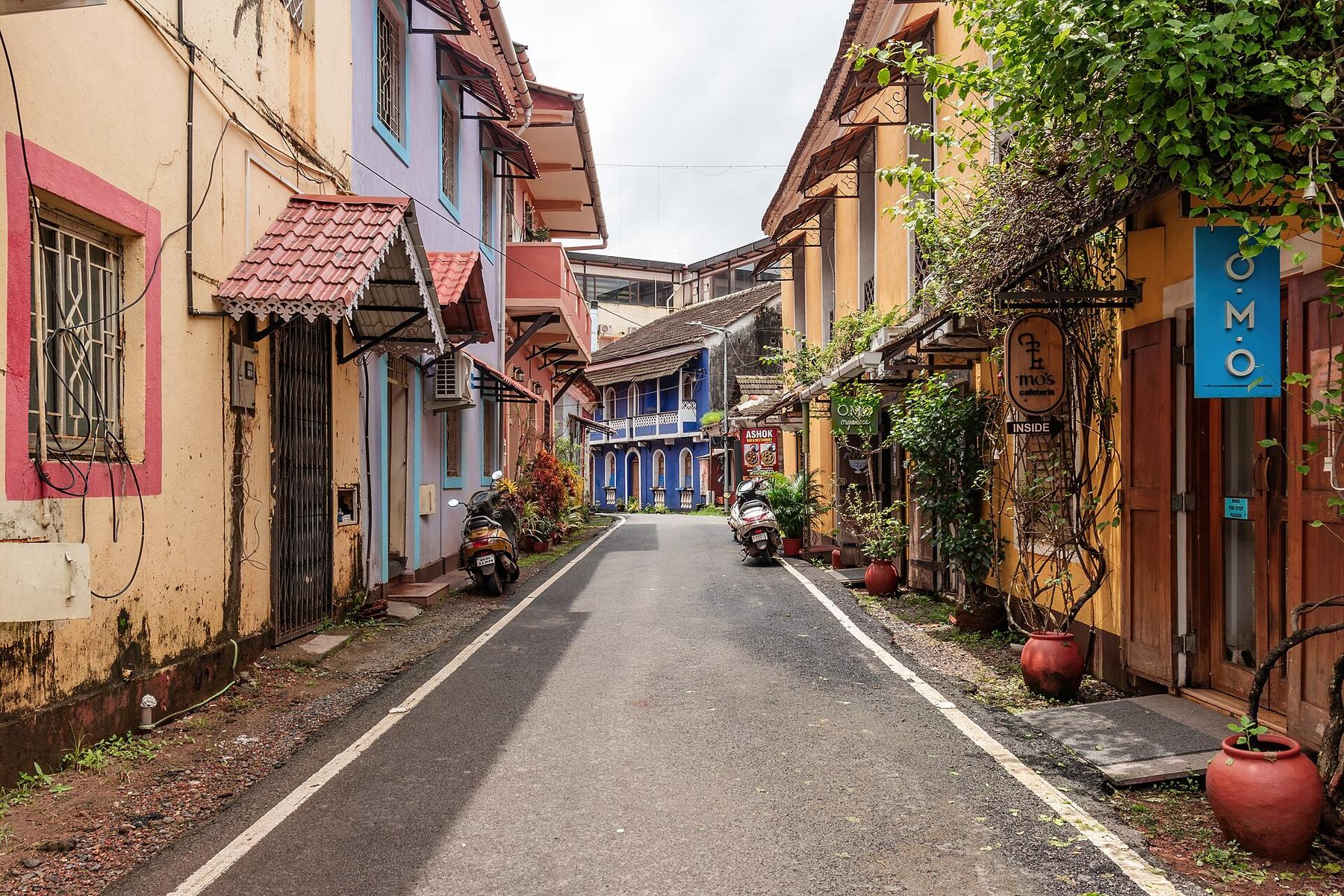
Fontainhas. A colorful old Latin quarter in Panaji, with narrow lanes and small cafés.
Markets. Anjuna Flea Market and Mapusa Market on weekly days. Check the schedule.
Food. Try Goan fish curry, vindaloo, bebinca and fresh seafood in beach shacks.
Spice plantations. Tours include lunch and a walk among spices.
Reis Magos Fort. A restored Portuguese-era fort across the river from Panaji, with sweeping views and far fewer crowds than Old Goa's main churches.
Money and connectivity
Cards work at larger resorts and restaurants, but beach shacks and local markets mostly run on cash. An airport eSIM or local SIM, arranged on arrival, is worth having for maps while driving between beaches and for checking weather during the shoulder season.
Safety and conduct
Drink only bottled or filtered water. Be careful with scooters, since accidents are common. Respect local customs and avoid public nudity. Swim only where lifeguards are on duty, and heed warning flags.
When to go
November to February is dry and pleasant. March to May is hot and humid. Monsoon months (June to September) are lush, but the sea is rough and many shacks close.
North versus south, in practice
North Goa suits travelers who want nightlife, watersports and a social beach-shack scene within walking distance of their hotel. South Goa suits those prioritizing quiet, scenery and space, often at the cost of fewer restaurants and a longer drive to anything beyond the immediate beach.
Opens Klook in a new tab to complete your booking.
Is North or South Goa better?
North for nightlife and activity, South for quiet and scenery. Many travelers split their stay.
How many days do I need?
Four to six days works for a beach holiday with a day of sightseeing.
Is Goa good in the monsoon?
It is green and cheap, but the sea is rough and many places close.
Do I need to rent a scooter?
It helps for freedom, but only if you are experienced and licensed.
Can I combine North and South Goa in one trip?
Yes, though the drive between them can take over an hour in traffic, so splitting the stay into two distinct bases works better than day-tripping between them.