
Mumbai
On this page
Mumbai is India's financial capital and its entertainment hub, home to Bollywood, skyscrapers and slums, colonial-era landmarks and Arabian Sea sunsets. It is fast, crowded and generous, and the city's energy is the main attraction. South Mumbai holds most of the sights, while the suburbs hold Bollywood and the airport.
Visitors who come expecting a single defining sight are often surprised that Mumbai's real character shows up in its pace and crowds more than in any one monument, closer in spirit to walking through a constantly moving set than visiting a checklist of landmarks.
At a glance
- Best for: food, architecture, markets, sea views and Bollywood.
- How long: two to three days.
- Getting around: taxis, ride-hailing apps, local trains and metro lines. Traffic is heavy.
- Seasons: November to February is the best. March to May is hot. June to September is monsoon.
- Good to know: distances are long, so group sights by area.
City layout
Mumbai sits on a long peninsula, and the key areas run north to south.
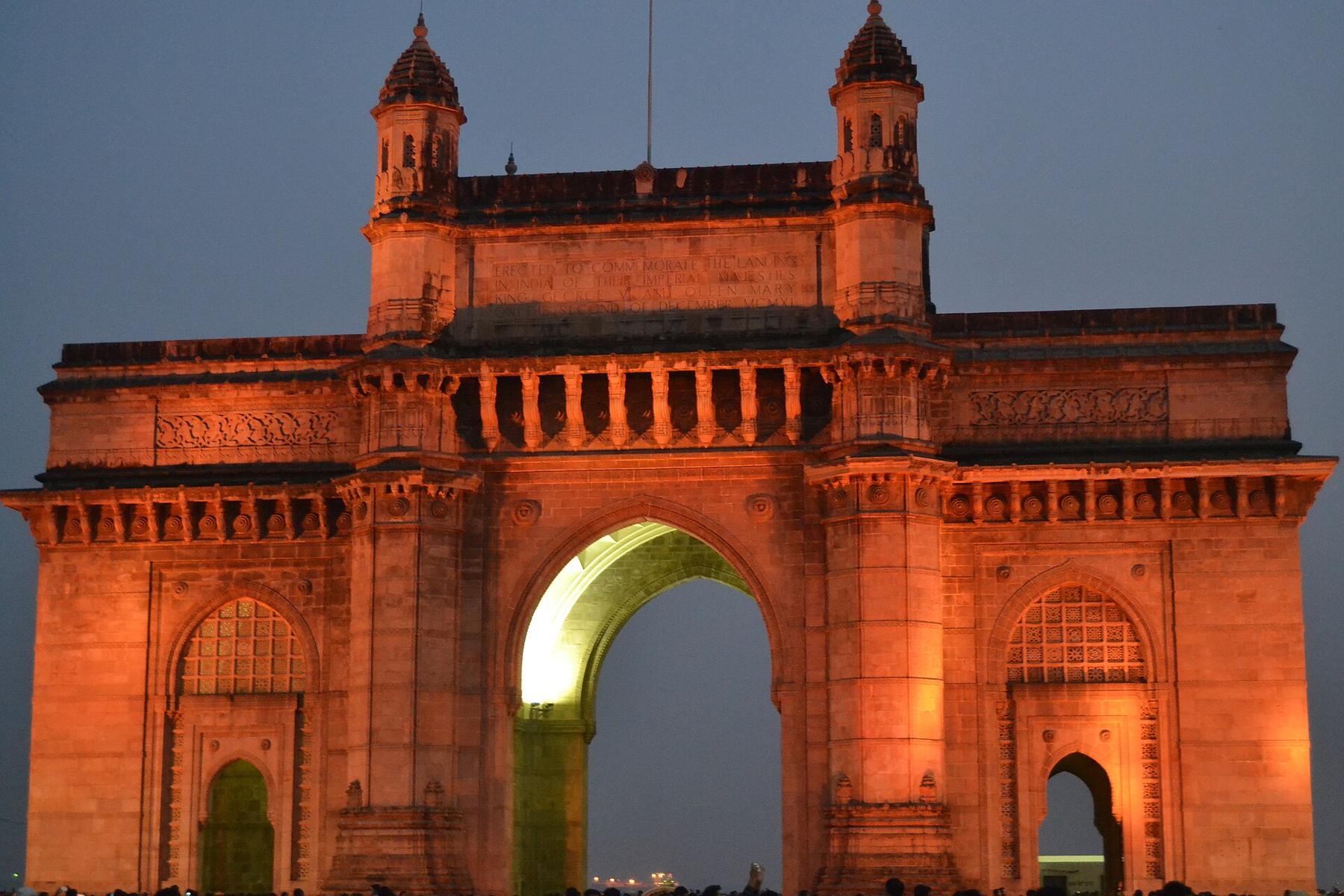
- Colaba and Fort: the Gateway of India, the Taj Mahal Palace hotel, museums and colonial buildings.
- Marine Drive and Churchgate: the curved seafront promenade known as the Queen's Necklace.
- Kala Ghoda: an arts district with galleries and cafés.
- Bandra: a lively suburb with street art, cafés and nightlife.
- Juhu and the western suburbs: beaches and Bollywood stars' homes.
- Dharavi and Dadar: dense neighborhoods with markets and small industries.
South Mumbai's sights (Colaba, Fort, Marine Drive, Kala Ghoda) are close enough to cover on foot or by a short taxi ride, while Bandra and Juhu further north require a dedicated trip, usually best scheduled as its own half-day rather than squeezed into a South Mumbai itinerary.
Highlights worth your time
Gateway of India and Colaba Causeway. A seafront monument and a busy shopping street.
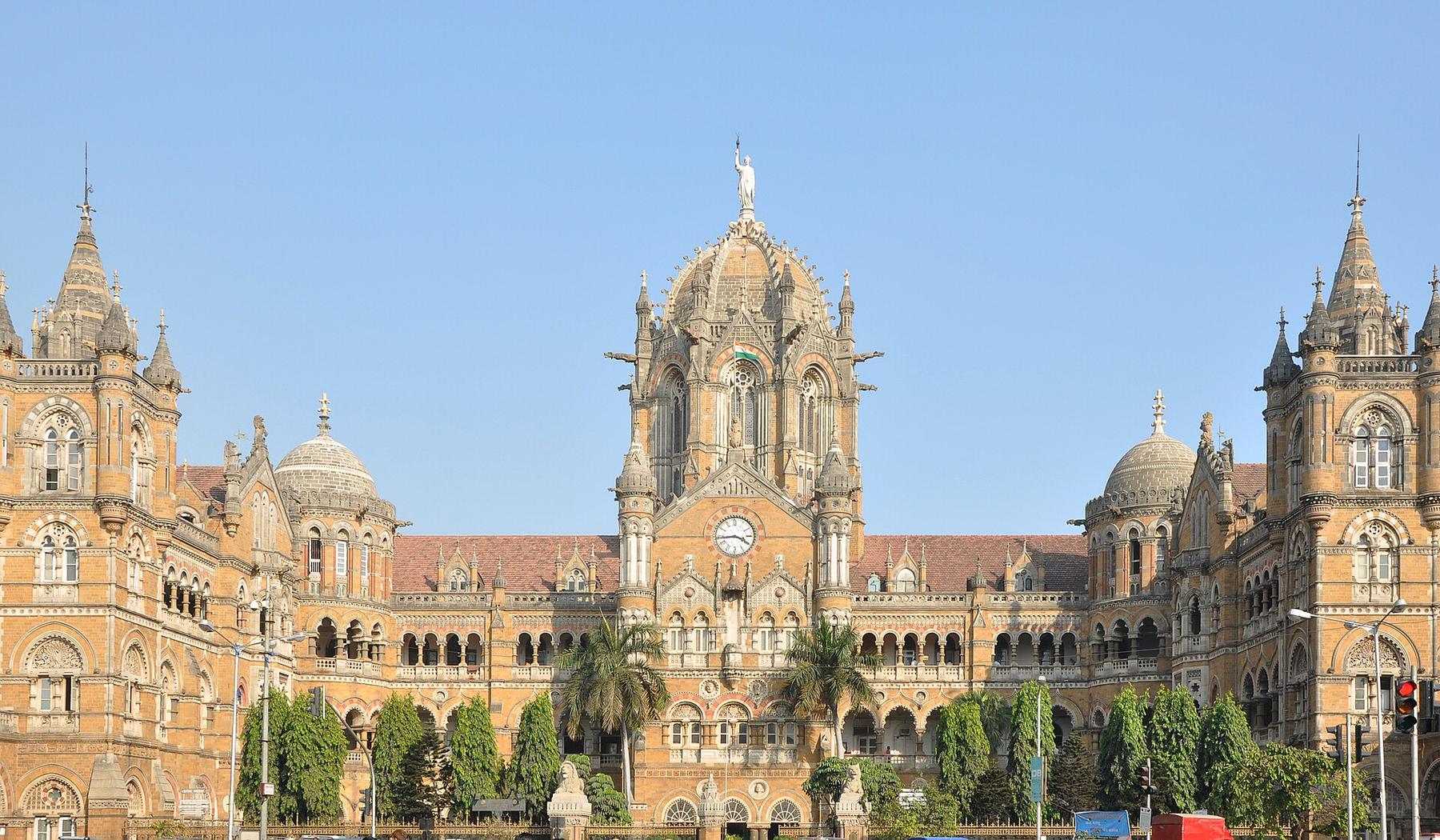
Chhatrapati Shivaji Terminus. A Victorian Gothic railway station, a UNESCO site, still in daily use.
Marine Drive at sunset. A classic walk along the sea wall.
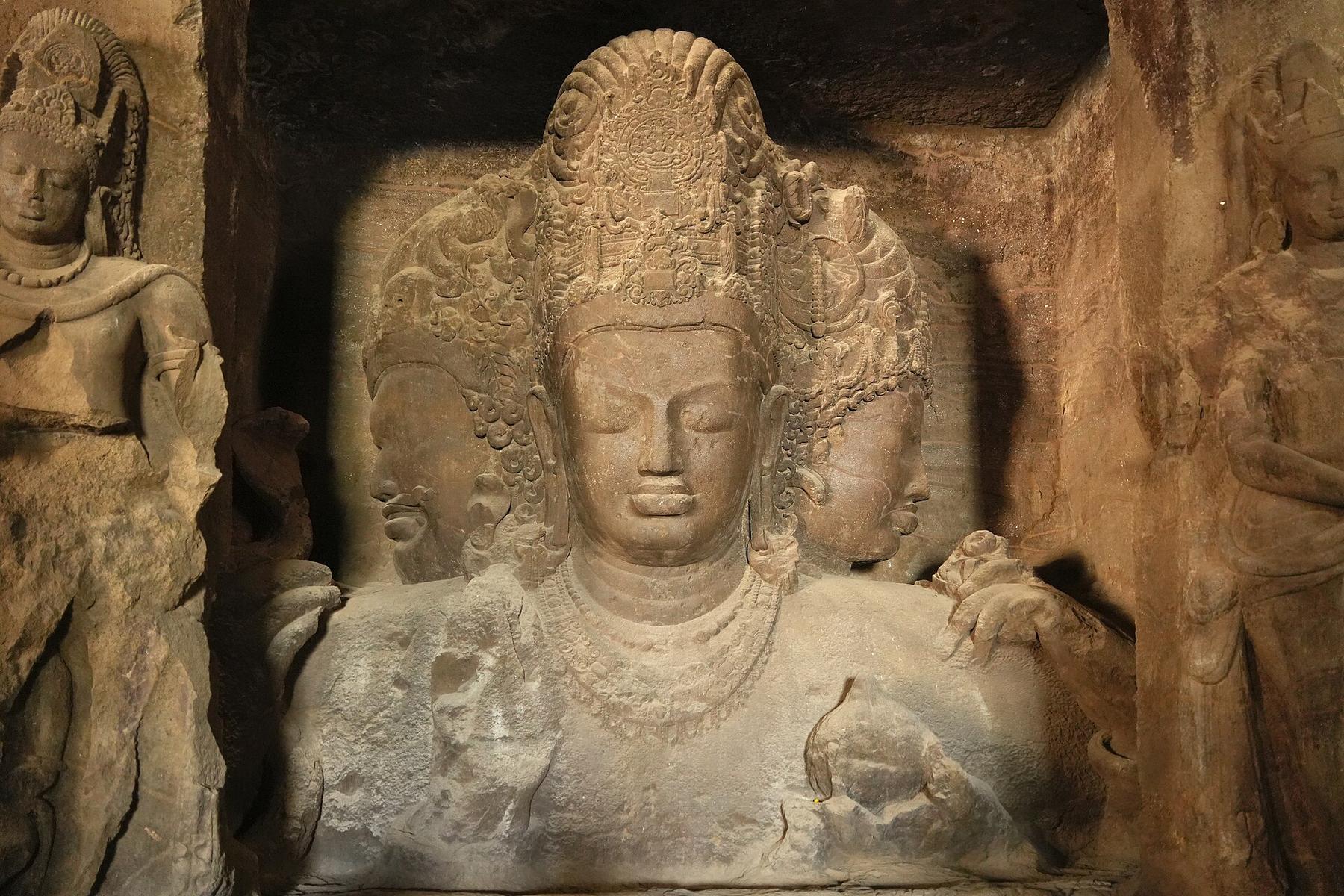
Elephanta Caves. Rock-cut temples on an island, reached by ferry from the Gateway.
Street food. Try vada pav, pav bhaji, bhel puri and Bombay sandwich. Choose busy stalls.
Dhobi Ghat and Crawford Market. Glimpses of daily life and trade.
Kala Ghoda's gallery circuit. A compact cluster of art galleries and the Jehangir Art Gallery, an easy add-on to a Gateway of India morning since it's only a short walk away.
Money and connectivity
Cards and mobile payment are common at hotels, malls and larger restaurants, though street food stalls and local markets mostly run on cash. An airport eSIM or local SIM is worth arranging on arrival, both for ride-hailing apps and for navigating the city's long distances between areas.
Getting around
Local trains carry millions daily and are crowded at peak hours. For visitors, taxis and ride-hailing apps are easier. Avoid rush hours when possible.
When to go
November to February is cool and dry. Summer is hot and humid. The monsoon brings heavy rain and flooding.
Grouping sights by area
Because Mumbai's peninsula shape means real distances between districts, planning each day around one area, South Mumbai one day and Bandra or Juhu another, avoids the long, traffic-heavy crossings that eat into sightseeing time if you try to mix them.
Opens Klook in a new tab to complete your booking.
How many days do I need in Mumbai?
Two to three days covers South Mumbai, food and one more area.
Where should I stay?
Colaba and Fort suit sightseeing. Bandra suits cafés and nightlife. Juhu suits beach and the airport area.
Is Mumbai safe?
Use normal city precautions and official transport.
Can I visit Bollywood studios?
Some tours offer studio visits or film city experiences. Check availability.
Is Mumbai a good first stop in India?
It works well for travelers wanting a more cosmopolitan introduction before heading to more traditional destinations like Rajasthan or Goa.