
Hong Kong
On this page
Hong Kong compresses a lot into a small area: one of the world's great skylines, dense street life, dim sum, hiking trails above the city and ferry rides across a busy harbor. It is easy to navigate, efficient and packed with contrasts, from skyscrapers to fishing villages, and from traditional tea houses to rooftop bars. A few days here feel full.
Visitors often arrive expecting only the skyline and are surprised by how quickly the city gives way to green hills and quiet islands, sometimes within a 30-minute MTR ride of Central.
At a glance
- Best for: food, skyline views, shopping, hiking, markets and short city breaks.
- How long: three to five days.
- Getting around: the MTR, trams, ferries and buses. A stored-value card works on all of them.
- Language: Cantonese and English. Signs are bilingual.
- Good to know: summer is hot, humid and typhoon-prone. Autumn is best.
How the city is laid out
Hong Kong has four main areas.
- Hong Kong Island: the business center (Central), shopping (Causeway Bay), old streets (Sheung Wan) and the Peak.
- Kowloon: across the harbor, with Tsim Sha Tsui, street markets in Mong Kok and busy local life.
- New Territories: villages, parks, hiking and the border region.
- Outlying islands: Lantau (the big Buddha), Lamma and Cheung Chau, with a slower feel.
The harbor crossing between Hong Kong Island and Kowloon is quick enough, by MTR or the Star Ferry, that many visitors treat both sides as a single walkable-feeling area rather than two separate bases.
Highlights worth your time
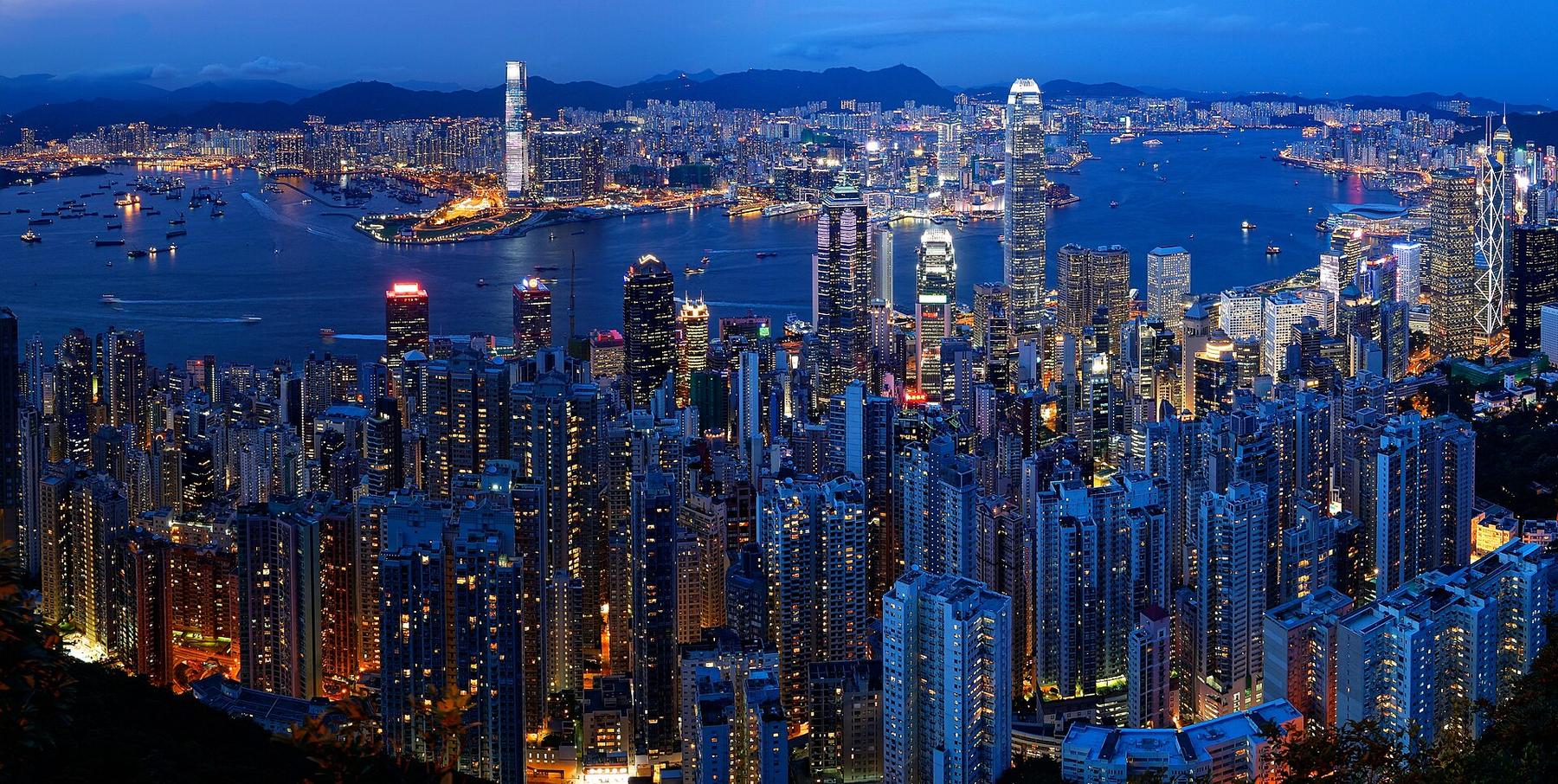
Victoria Peak. The classic skyline view. Go on a clear evening and consider the tram or a bus.
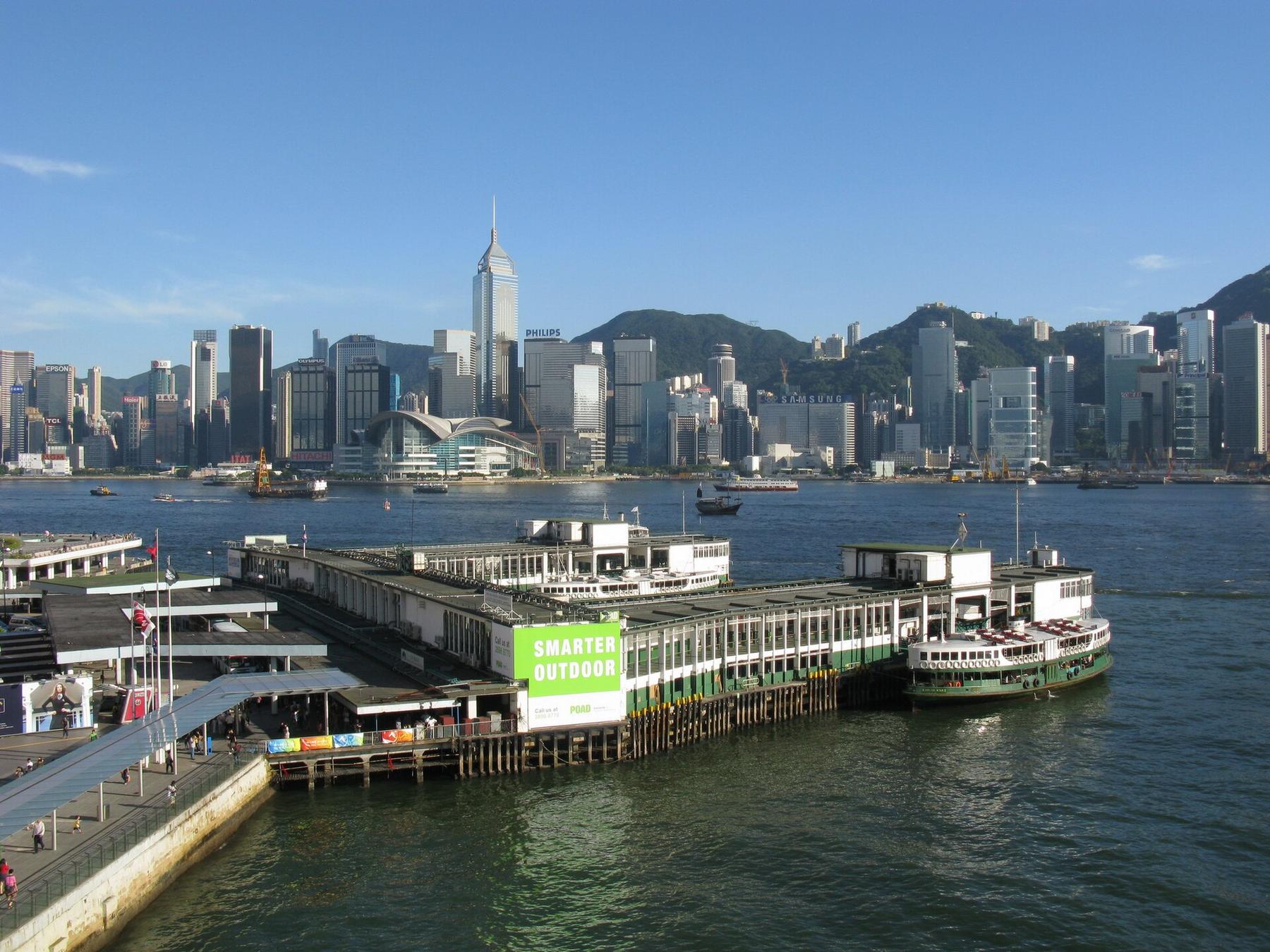
Star Ferry. A short, cheap and iconic harbor crossing between Central and Tsim Sha Tsui.
Dim sum. Traditional teahouses serve it in the morning and at lunch. Go early and share.
Markets. Temple Street, Ladies' Market and the Flower and Bird markets show daily life.
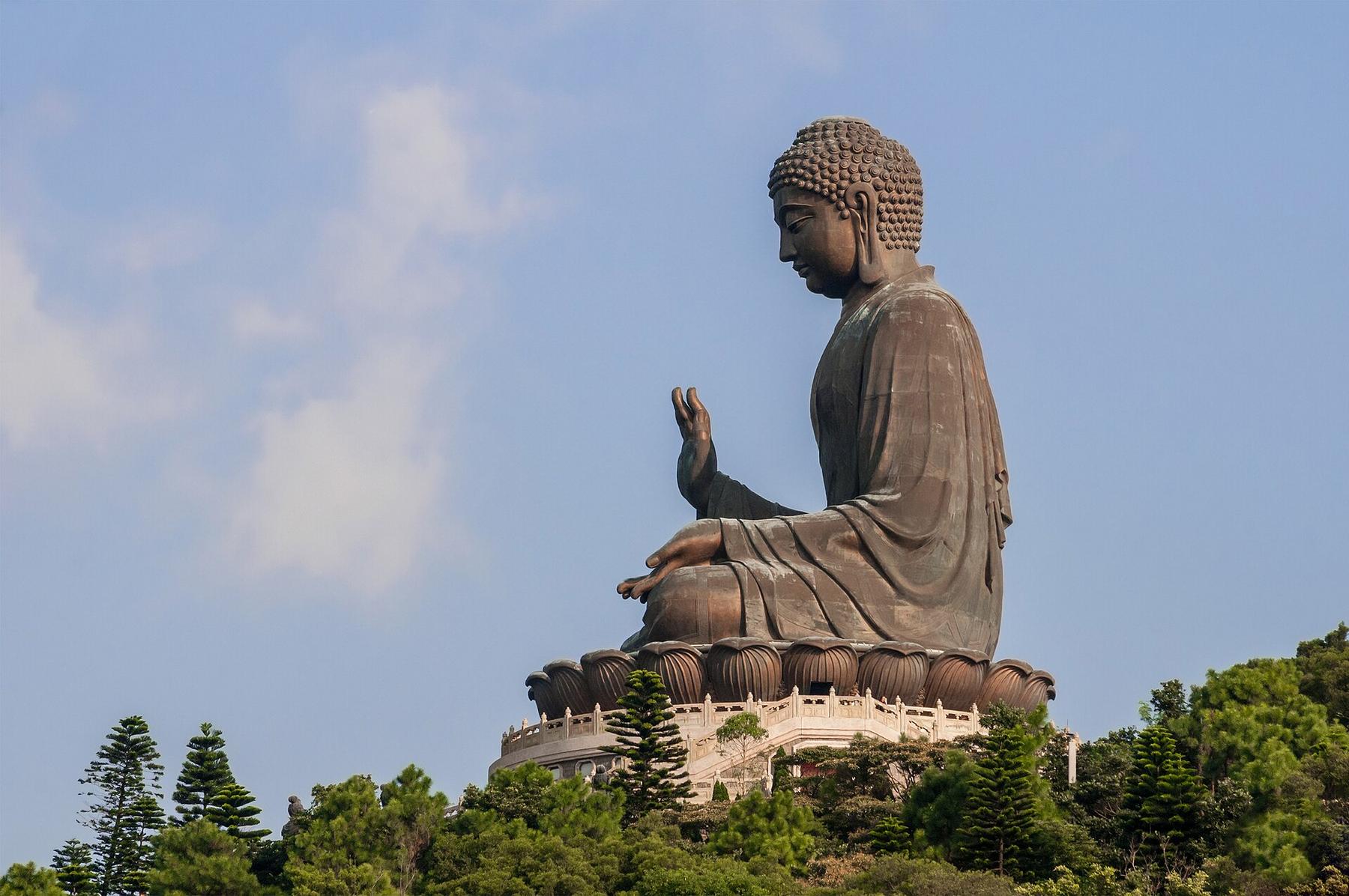
Tian Tan Buddha and Ngong Ping. A large bronze Buddha on Lantau, reached by cable car.
Hiking. Dragon's Back and other trails offer sea views within an hour of the center.
Man Mo Temple and the Mid-Levels Escalator. A free, long outdoor escalator system that climbs through Central and the Mid-Levels, a genuinely useful piece of infrastructure that doubles as an easy way to see several neighborhoods in sequence.
Opens Trip.com in a new tab to complete your booking.
Money and connectivity
A stored-value transit card covers the MTR, trams, buses and ferries, and is also accepted at many convenience stores and small shops, making it worth picking up on arrival even for a short stay. Mobile data is easy to arrange with an airport eSIM or a local prepaid SIM.
Food
Hong Kong's food runs from Michelin-recommended street stalls to tea restaurants (cha chaan teng) serving milk tea and pineapple buns. Try roast goose, wonton noodles, egg tarts and claypot rice in cooler months.
A cha chaan teng meal, ordered quickly and eaten at a shared table, is as much a part of the city's daily rhythm as any sightseeing stop, and often the most memorable meal of a short trip.
When to go
October to December is the best, with comfortable, drier weather. Spring can be foggy and damp. Summer is hot and humid, with typhoons possible. January and February are cool and festive during Lunar New Year.
Opens Klook in a new tab to complete your booking.
How many days do I need in Hong Kong?
Three to four days covers the highlights. Five lets you add hiking or an outlying island.
Which side of the harbor should I stay on?
Hong Kong Island suits business and nightlife. Kowloon is good value with easy access to markets and food.
Do I need a visa?
Entry rules depend on your nationality, so check the official government site before you travel.
Is Hong Kong expensive?
Hotels tend to be pricey and small. Street food and public transit are good value.
Is Hong Kong good for a short stopover?
Yes. Even one full day, built around the Peak, the harbor and a dim sum meal, gives a real sense of the city.