
Seoul
On this page
Seoul packs five-hundred-year-old palaces, glass towers, mountain trails and all-night food streets into one fast city. It runs on a superb subway, a strong café culture and a habit of reinventing itself every few years. First-timers often try to cover too much. The best visits pick a few neighborhoods and let the rest of the city come in through meals and walks.
Visitors arriving with a long checklist often find that the city rewards a looser plan more: one palace, one market and an evening in a single neighborhood tends to leave a stronger impression than four districts rushed through in a day.
At a glance
- Best for: food, shopping, palaces, beauty and fashion, nightlife and K-culture.
- How long: four to five days covers the main areas. Add a day for a trip out of the city.
- Getting around: the subway is clean and bilingual. A rechargeable transit card works on subway and buses.
- Language: English signage is good in tourist areas and on transit.
- Good to know: Seoul is large and hilly. Group sights by area.
How the city is laid out
The Han River divides Seoul into north and south.
- North (Gangbuk): the historic core, including Gyeongbokgung Palace, Bukchon Hanok Village, Insadong and Jongno. Quieter, older, more traditional.
- Myeongdong and Namsan: a shopping and cosmetics hub below the hill topped by N Seoul Tower.
- Hongdae and Mapo: a youthful area near a university with live music, street fashion and bars.
- Itaewon and Hannam: international dining and a cosmopolitan feel.
- South (Gangnam): wide avenues, business towers, shopping and high-end dining.
- Seongsu: a former industrial area now known for cafés, pop-ups and design.
Seoul's subway makes these areas feel closer together than the map suggests, but hills and long blocks mean a short-looking walk between two districts can take longer than expected, especially around Namsan.
Highlights worth your time
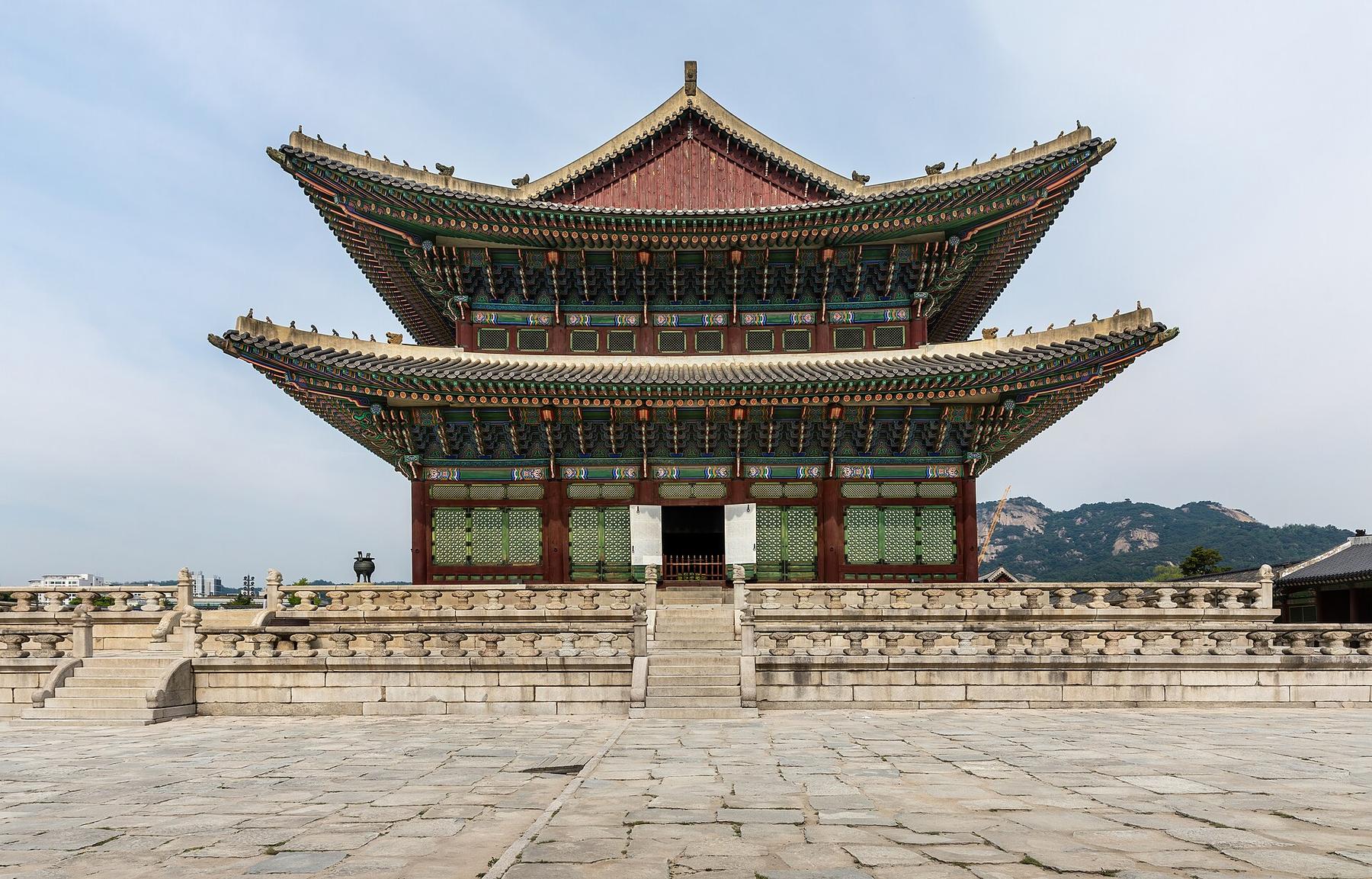
Gyeongbokgung and the palaces. The largest of Seoul's palaces, with a changing of the guard ceremony. Nearby Changdeokgung is especially lovely, with a hidden garden.
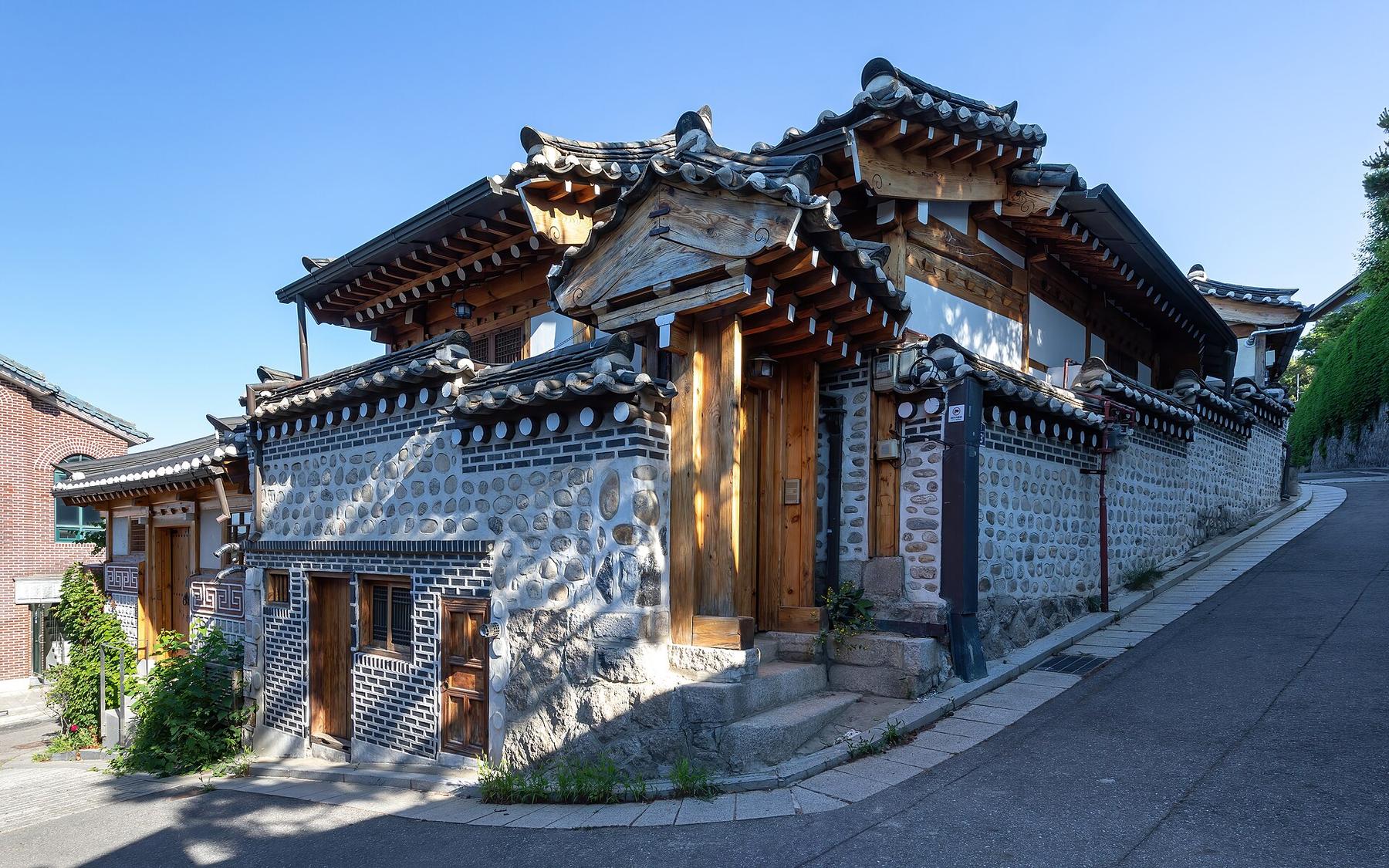
Bukchon and Seochon. Traditional hanok houses on hillside lanes. Be quiet, since people live here.
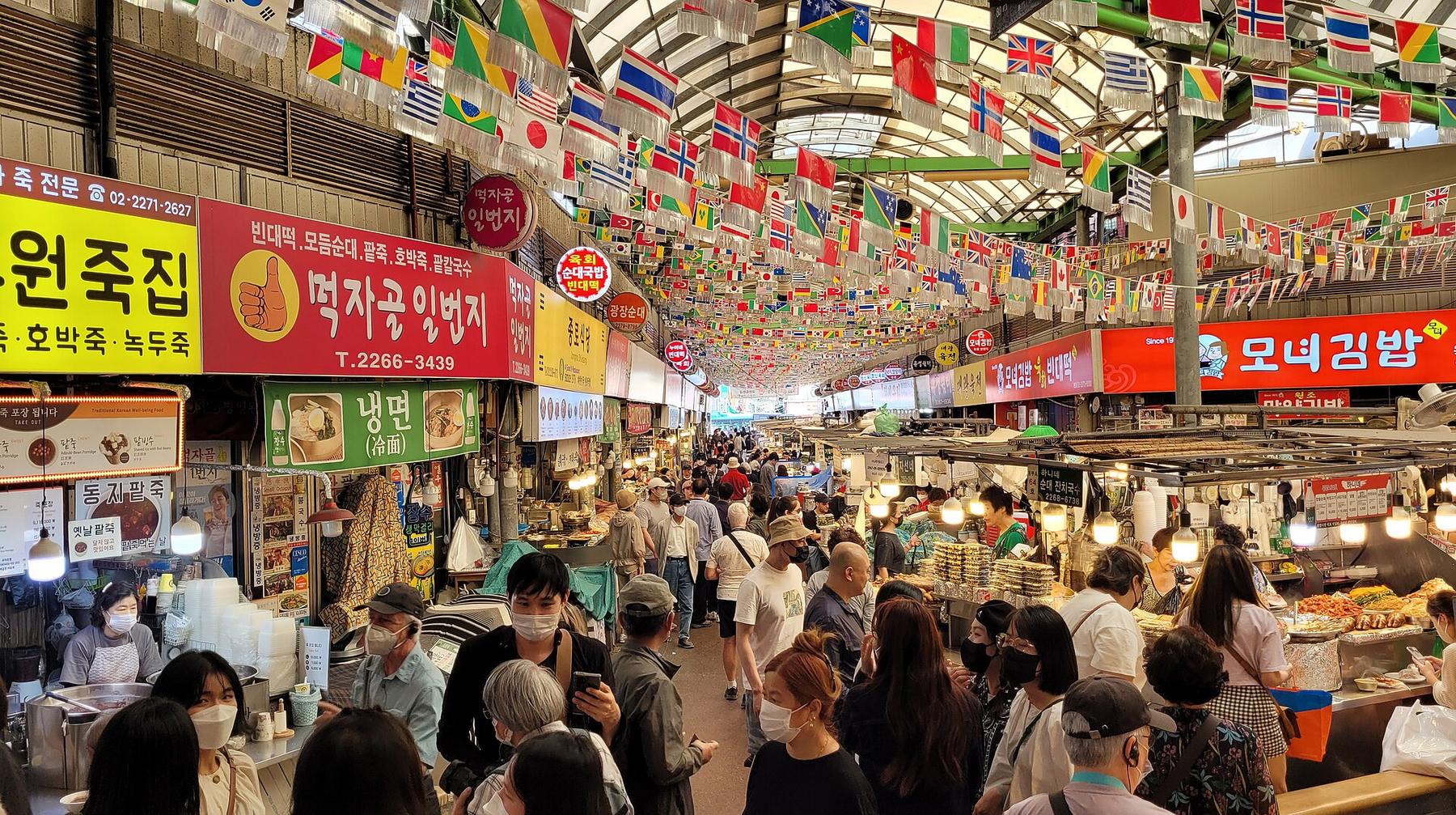
Markets. Gwangjang for street food, Namdaemun for general goods, and Dongdaemun for fashion and late-night shopping.
Korean food. Barbecue, stews, fried chicken and street snacks. Sit down for a full table of side dishes.
Hiking. Bukhansan, Inwangsan and Namsan offer city views and easy trails.
Han River parks. Evening picnics and riverside cycling are local favorites.
Seongsu's converted warehouses. Former factories now house cafés, design studios and pop-up stores, a newer counterpart to the traditional hanok neighborhoods further north.
Opens Trip.com in a new tab to complete your booking.
Money and connectivity
A rechargeable transit card works across subway, bus and even some taxis, and is worth picking up at the airport before heading into the city. Mobile payment is widespread locally, though foreign card and app compatibility varies, so an eSIM or local SIM for maps and translation apps is a practical backup.
When to go
Spring (April to May) and autumn (late September to November) are the best, with mild weather and color. Summer is hot, humid and has a rainy period. Winter is cold and dry, with festive lights and warm indoor food.
Planning notes
Mix big sights with food and neighborhood time. Many shops open late and stay open into the night, so mornings can be slow. Book popular restaurants, spas and K-pop-related experiences ahead where possible. Check palace closing days, since they differ by site.
Seoul's scale rewards grouping errands and sights by neighborhood rather than crossing the city repeatedly in one day, even though the subway makes almost anywhere reachable within 30 to 40 minutes.
Where should I stay in Seoul for the first time?
Myeongdong, Hongdae and the area around Seoul Station are the easiest first-time bases for transit and food. Gangnam suits shopping and business.
How many days do I need?
Four to five days works well for most travelers. Add one more for a day trip or a slower pace.
Is Seoul easy to navigate without Korean?
Yes. The subway has English announcements and signs, and navigation apps work well.
Is Seoul safe at night?
It is widely regarded as one of the safer big cities, but use normal care with belongings and late-night transport.
Is Seoul good for a first trip to Korea?
Yes. Its transit and signage make it one of the easier big Asian cities for a first visit, with day trips available if you want to see beyond the capital.