
Car rental in Mumbai
On this page
You don't need a car inside Mumbai, and most visitors wouldn't want to drive here. Traffic is heavy, parking is scarce, and local trains, taxis and app-based cabs cover the city. For trips out of the city, hiring a car with a driver is the normal choice. A rental makes sense for the hills and coast around Mumbai, especially with family or luggage. In November 2026, listings started from about US$61 a day, but budget for tolls, fuel and parking as well.
When a car is worth it
Lonavala and Khandala. The hill stations are about 85 km away via the Mumbai-Pune Expressway. Allow two to three hours each way, and leave early on weekends, when the road fills up.
Alibag. The coast is about 100 km away by road. Allow around three hours each way, depending on traffic, for beaches and the old fort.
Matheran. Motor vehicles aren't allowed in the hill station itself, so you leave the car at the foot of the hill, about 90 km and two and a half hours from Mumbai, and continue on foot or by horse.
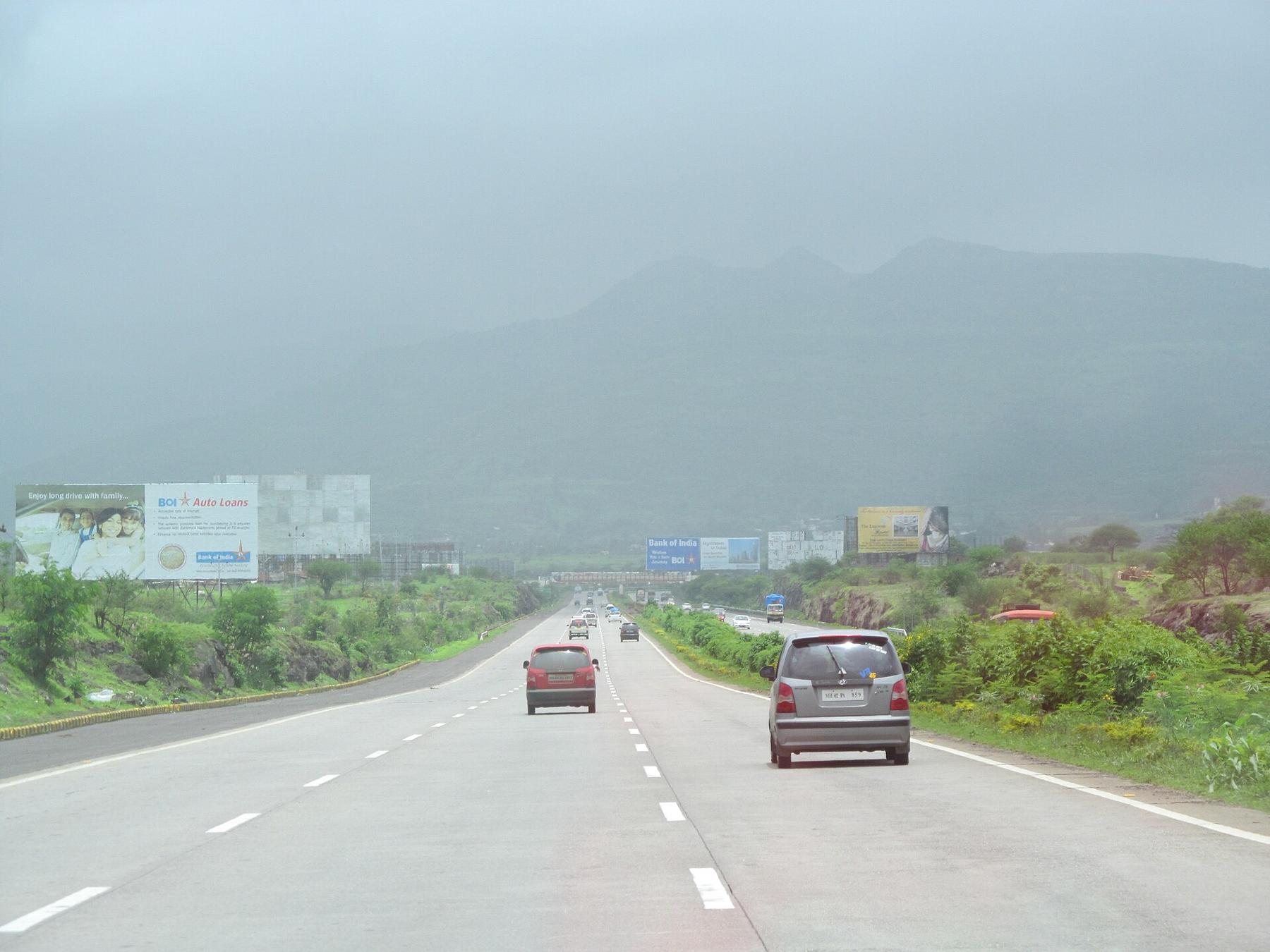
Opens Trip.com in a new tab to complete your booking.
Before you book
Your licence. India generally expects your home licence plus an international driving permit issued under the 1949 Geneva Convention. UK government travel advice, for example, asks for the 1949 permit alongside a UK licence. A permit issued under another convention, such as the 1968 Vienna one, may not be accepted. How long a foreign licence is valid can vary by state, so confirm with the rental company or an official source before you travel.
A driver. Ask whether the quote includes a driver, whether there is a daily distance limit, and what extra applies to overnight trips. A driver also takes care of parking and navigation.
Where to collect the car. Pick up at Mumbai airport if you're heading straight out, or at a branch on the side of the city you're leaving from. This avoids crossing the centre in heavy traffic.
Insurance. Check the excess for damage and what is covered after an accident or a breakdown. Photograph the car before you drive off, including any existing scratches.
Driving in India
The basics. Traffic drives on the left. Expect constant horn use, scooters and autorickshaws cutting in, and vehicles that sometimes drive the wrong way. Stay alert and avoid driving at night where you can.
Tolls. Toll sections on national highways, the expressway and the sea link are paid electronically with a FASTag. Ask whether the car has one and how toll charges are settled.
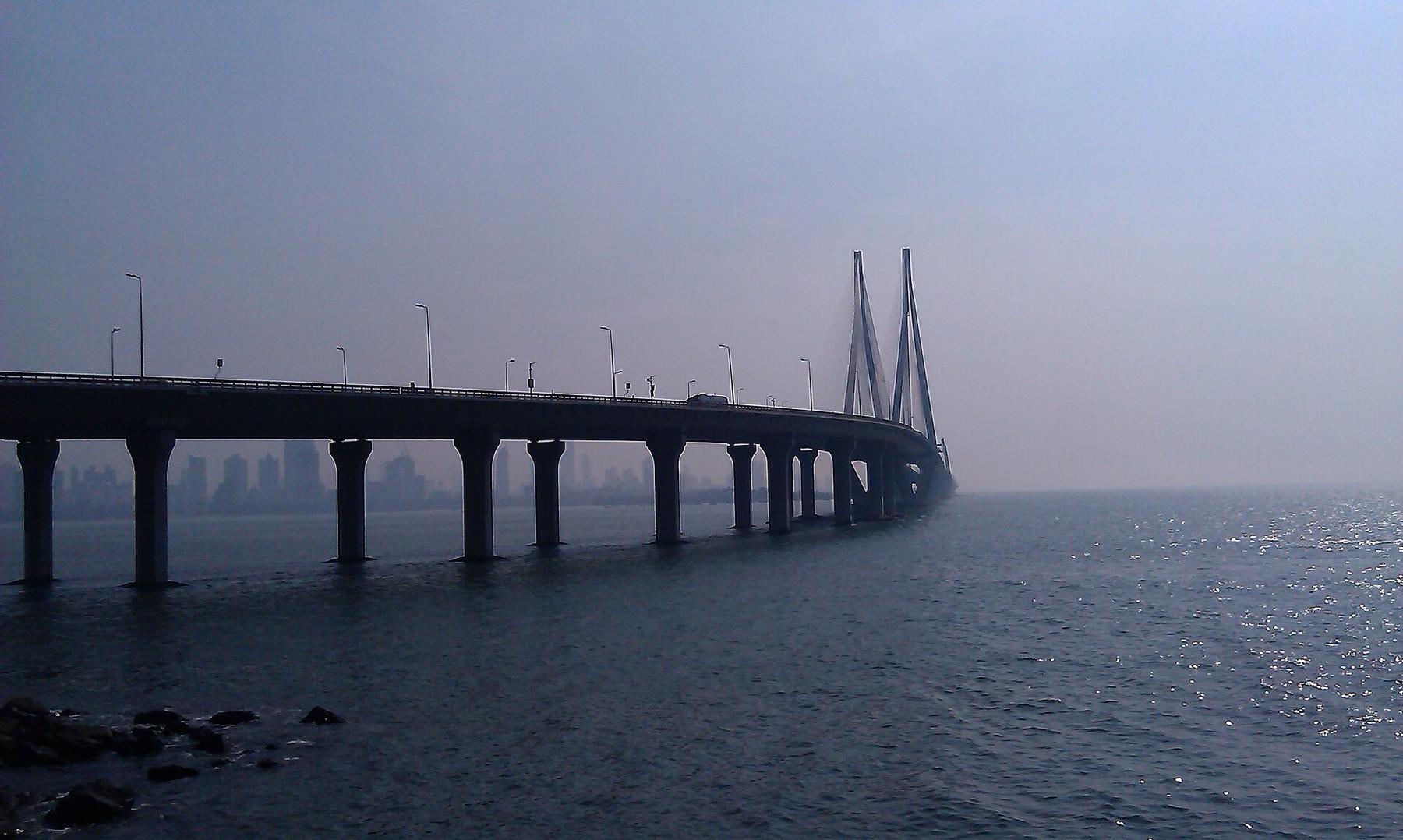
Traffic and parking. Rush hours are long and parking in the south of the city is scarce. On the expressway, heavy trucks use the slower lanes, especially in the hilly section, so follow the lane rules.
Monsoon. Heavy rain from about June to September can flood roads in the city and close hill roads. Check conditions before you set out.
Opens Trip.com in a new tab to complete your booking.