
Activities in Mumbai
On this page
Mumbai is easier to enjoy if you plan around distance and traffic. South Mumbai's landmarks are close enough to walk between, while Bandra and Dharavi are a train or taxi ride north, so give each area its own half-day instead of crossing the city twice. Two full days cover the essentials. Add a third if you want Elephanta Island without rushing.
South Mumbai
Gateway of India and the Taj Mahal Palace. Come early in the morning, when the waterfront is cooler and less crowded. The Gateway is an open-air monument, so 30 minutes is plenty. Expect photographers and boat touts. A polite no is usually enough.
Chhatrapati Shivaji Maharaj Terminus and Kala Ghoda. This Victorian Gothic station is a UNESCO World Heritage Site and still a working commuter hub, so the facade is often best seen from across the road. Continue on foot through the Fort area to the galleries and cafés of Kala Ghoda. Allow two to three hours, and stay away from the concourse at rush hour.
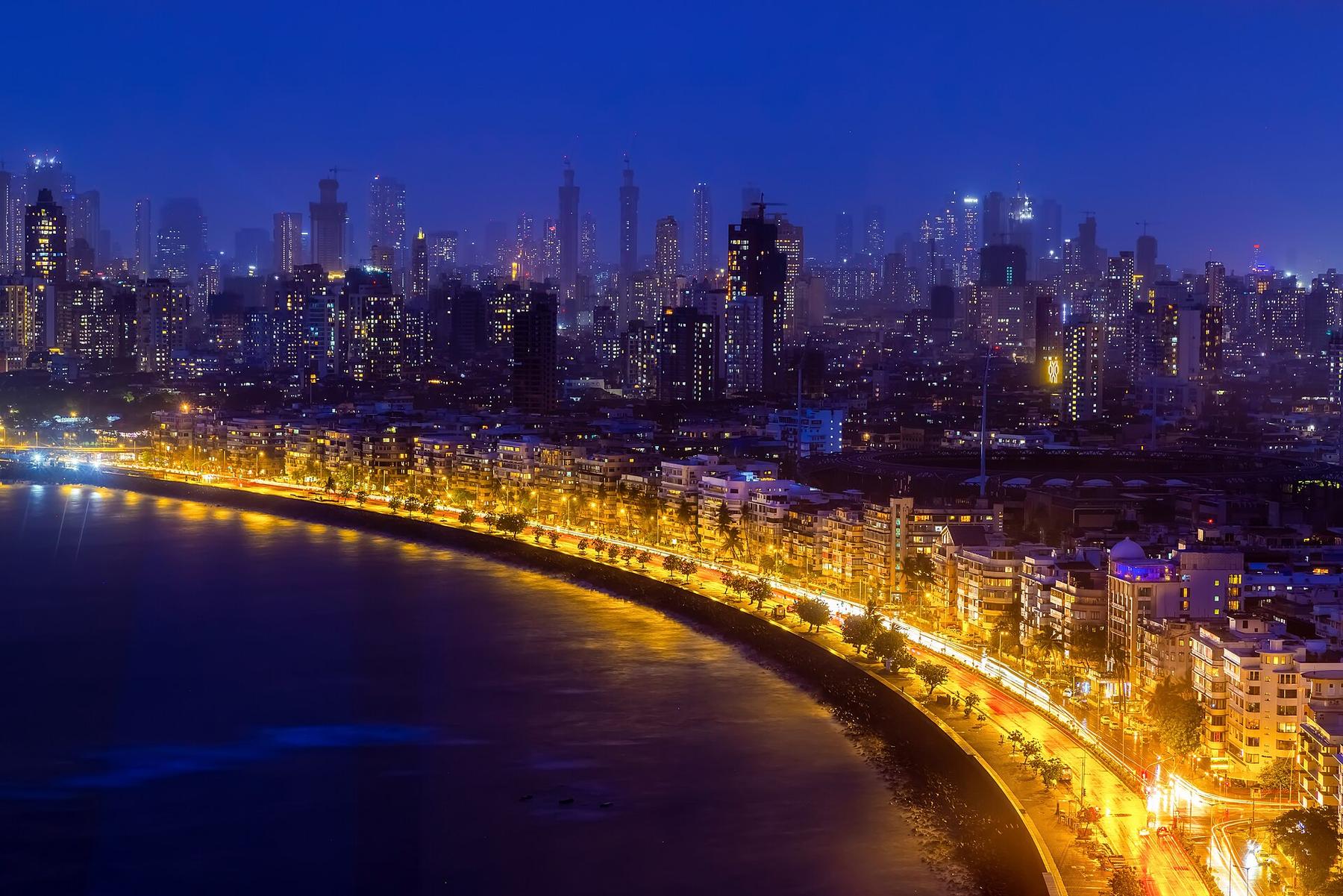
Marine Drive at sunset. Walk a stretch rather than the whole seafront, then stay for the curve of streetlights that earned it the nickname the Queen's Necklace. Churchgate station is close by, which makes this an easy end to the day.
Elephanta Island. Ferries leave from the Gateway of India and take about an hour each way, so set aside at least half a day. The caves are closed on Mondays. Go in the morning, because published last-boat times range from 2pm to 3:30pm, and ask at the counter when the final return leaves. From the jetty there's a walk and a long flight of steps, so wear proper shoes and bring water.
In November 2026, online listings showed a return ferry starting from about ₹200. Cave entry started from about ₹40 for Indian and SAARC or BIMSTEC citizens and about ₹600 for foreign visitors. Sources differ, so check before you go. Ferry tickets are generally first come, first served, and the queue can take 30 to 45 minutes on weekends and holidays. Boats may not run in rough monsoon weather.
Opens Klook in a new tab to complete your booking.
Food and culture
Street food. Vada pav, pav bhaji and bhel puri are easy to find on your own. A guided walk mostly helps with choosing busy, reliable stalls and ordering confidently. If your stomach is sensitive, start with freshly cooked food and bottled water.
Bollywood tours. Film City is in Goregaon, far north of the sights in South Mumbai, and the drive can take well over an hour in traffic. Read what a tour includes before booking, since seeing a live shoot is rarely guaranteed.
Dharavi. This is a dense, working neighbourhood known for its recycling, leather and pottery workshops, and a walk here is about how people live and work, not a sightseeing stop. Choose a small, locally led tour and ask about its photo rules. Don't photograph people without asking. In November 2026, reseller listings showed small-group tours starting from about US$23 per person and private tours starting from about US$110.
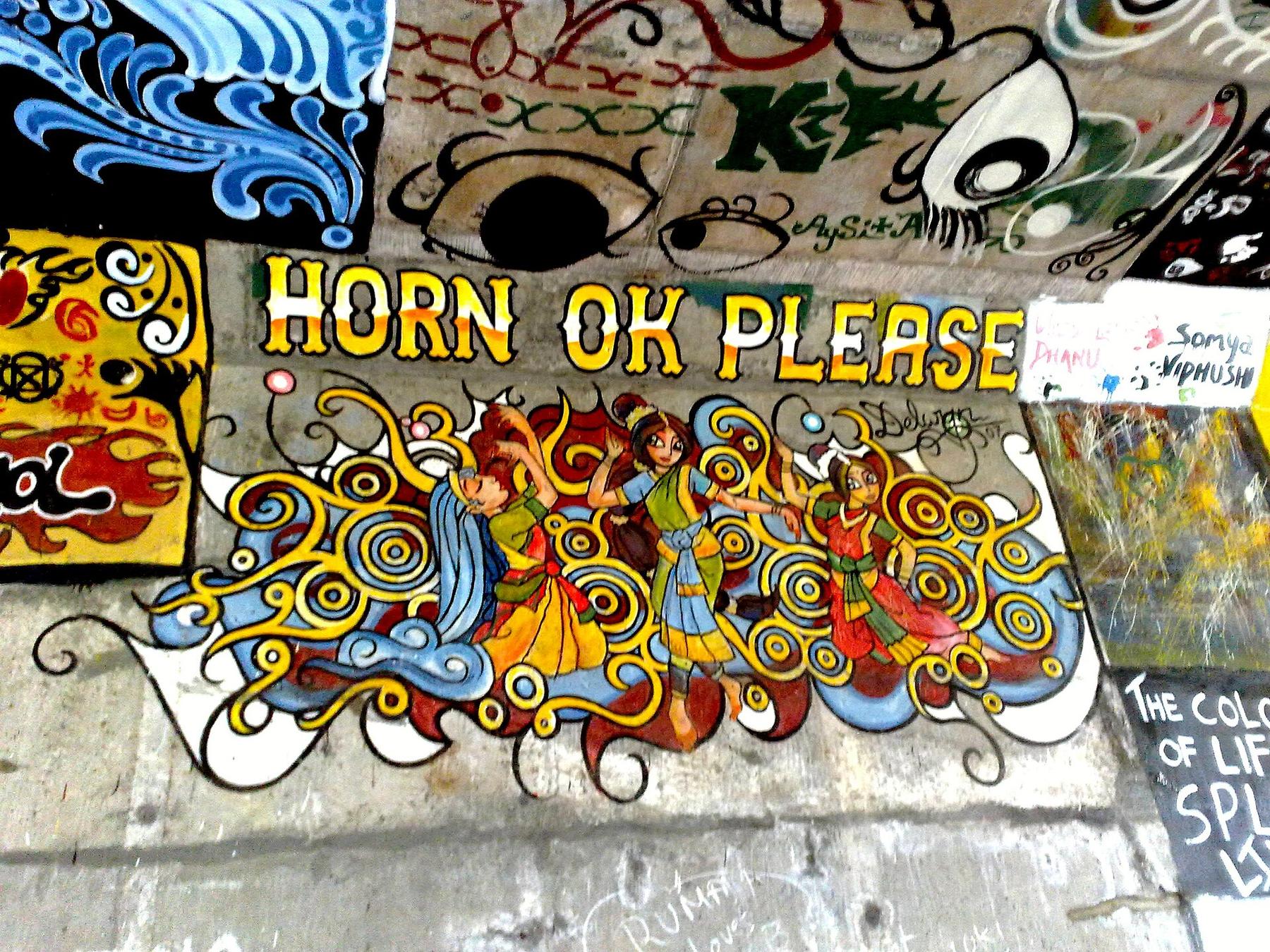
Bandra. Head to the lanes around Chapel Road and Ranwar for street art, then stop at one of the neighbourhood's cafés. A fast Western Line train from Churchgate takes about half an hour, but it's far more comfortable outside rush hour.
A realistic two- or three-day plan
Day 1, South Mumbai. Gateway of India in the early morning, the station and Kala Ghoda before lunch, a rest through the afternoon heat, then Marine Drive at sunset.
Day 2, north of the centre. A Dharavi walk in the morning, then Bandra's street art and cafés in the afternoon. Add a street food walk in the evening if you still have the energy.
Day 3, Elephanta Island (not a Monday). Take a morning ferry and be back by mid-afternoon. It also fits into Day 1 if you only have two days, since the boats leave from the Gateway, but that makes for a long day.
Practical advice
When to go. November to February is the most comfortable time for walking. From June to September, monsoon rain can disrupt boats and trains, so keep your plans flexible.
Getting around. Local trains are quick but extremely crowded at peak times, so travel mid-morning or mid-afternoon where you can. Over short distances in South Mumbai, walking or a taxi is often simpler.
On the day. Bargain at street markets, dress modestly at religious sites, and carry water and small notes, since smaller vendors may struggle to change large ones.
Opens Klook in a new tab to complete your booking.