
Car rental in Seoul
On this page
You don't need a car in Seoul. The subway and buses reach almost everywhere, traffic is heavy and parking is hard to find. A rental makes sense when you're leaving the city for the east coast, Seoraksan or the countryside, especially with family or luggage. Prices vary by season, so compare current rates, and budget for tolls, fuel and parking as well.
When a car is worth it
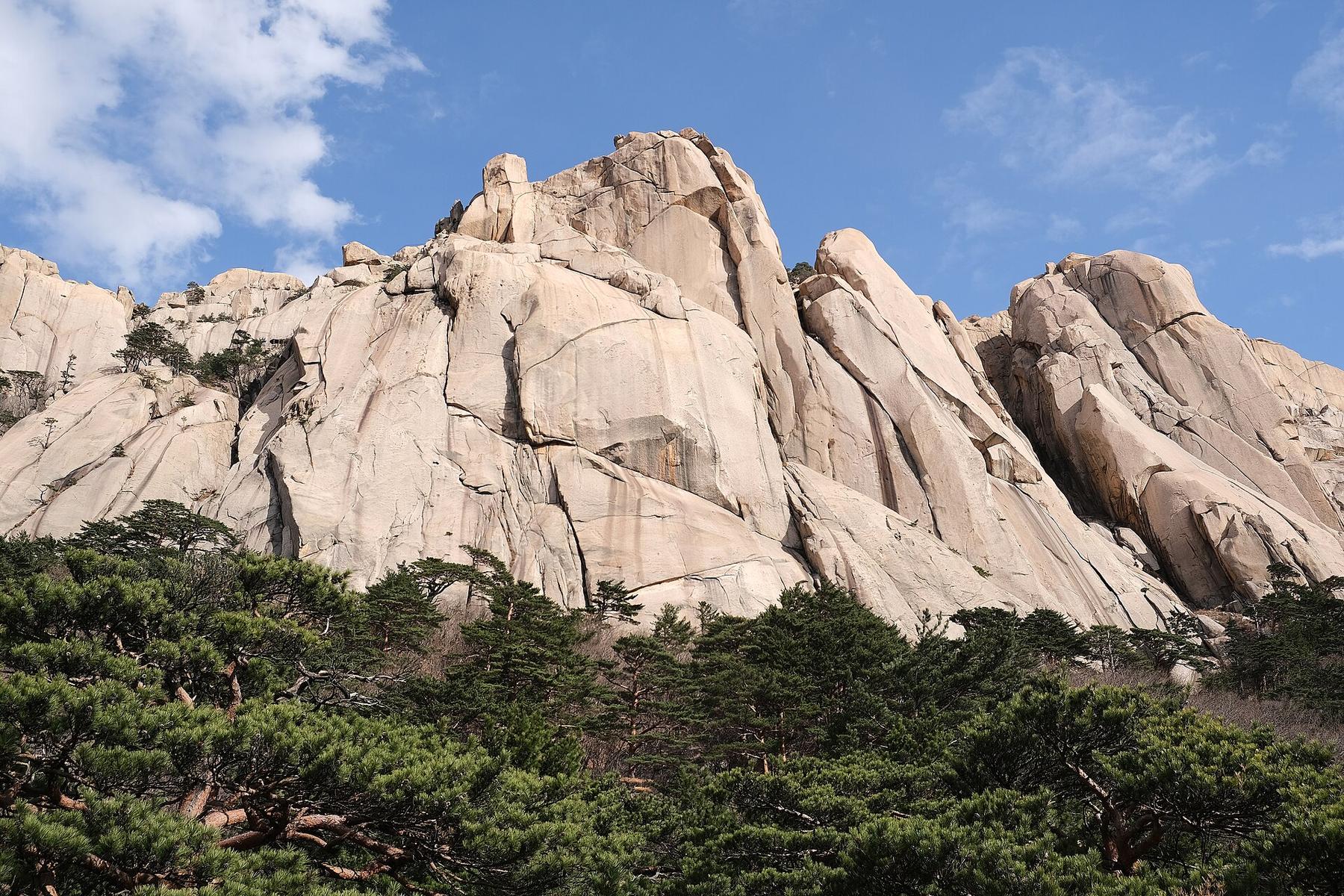
Seoraksan and Sokcho. Allow about two and a half hours each way from Seoul on the expressway. Trails and viewpoints are far easier to reach with your own car than by bus, but autumn foliage weekends are crowded, so start early.
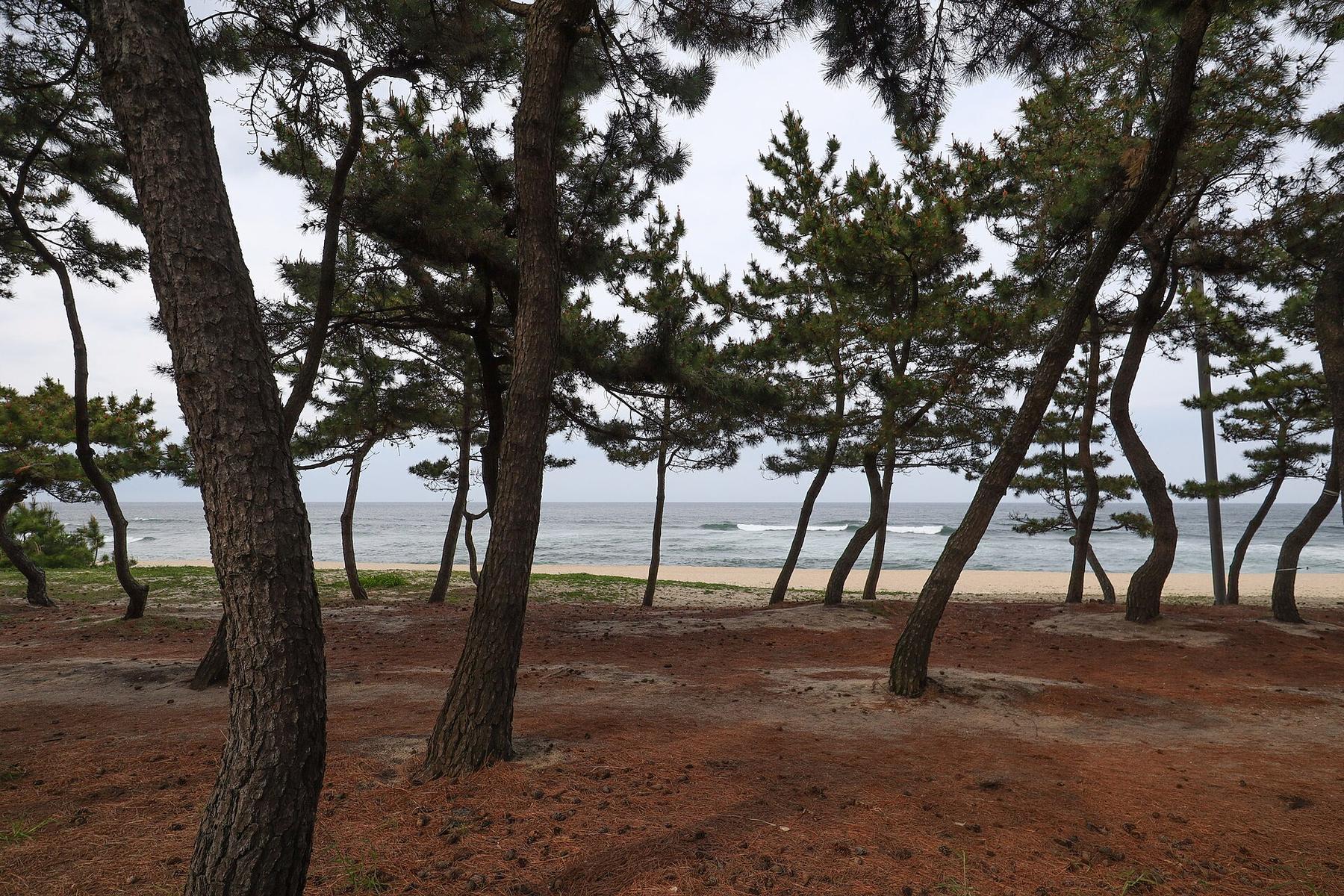
Gangneung and the east coast. It's also about two and a half hours. Pine-lined beaches, coffee streets and coastal roads suit a slow day, and you can continue north toward Sokcho along the sea.
Gapyeong and Nami Island. Allow about an hour to an hour and a half. You park near the ferry pier and cross by boat, and the car also lets you add nearby lakes and villages at your own pace.
Paju and the border area. Imjingak is about an hour from central Seoul. Some sites near the border require a guided tour or advance registration, so check access before you go.
Opens Trip.com in a new tab to complete your booking.
Before you book
Your licence. Korea accepts international driving permits issued under the 1949 Geneva Convention, generally for up to a year after you arrive, and may not accept ones issued under the 1968 Vienna Convention. Rental companies typically ask for your passport, your home licence and a physical permit. Rules can differ by country, so confirm what your licence requires with the rental company or the Korea Road Traffic Authority before you travel.
Where to collect the car. Pick up at Incheon or Gimpo Airport if you're heading straight out, or at a branch on the side of Seoul you're leaving from. This avoids driving through the centre.
Payment and insurance. Many rental desks want a credit card in the driver's name. Check what the basic cover excludes and what you'd pay if the car is damaged.
Navigation. Ask for a navigation system in English. Korean map apps such as Naver Map and Kakao Map usually work better for driving than Google Maps.
Driving in Korea
The basics. Traffic drives on the right. Speed cameras are common and drink-driving rules are strict, so don't drink at all if you're driving.
Tolls. Expressways charge tolls. Many rental cars have a Hi-Pass device for the dedicated lanes, and the rental company usually bills the tolls afterwards. Ask about it at pickup, and don't enter a Hi-Pass-only lane without one.
Traffic and parking. Avoid leaving Seoul on Friday evenings and returning on Sunday afternoons, when roads toward the east coast back up. Parking in the city is limited and often paid, so check whether your hotel has a space and what it costs.
Winter. Mountain roads in Gangwon can be snowy or icy from about December to March. Ask about winter tyres or chains if you're heading there.
Returning the car. Many rentals expect a full tank, so confirm the fuel policy and allow time to refuel near the branch.
Opens Trip.com in a new tab to complete your booking.