
Activities in Seoul
On this page
Seoul is easy to enjoy in short bursts: one palace or museum, one meal worth planning, then some time to wander. The subway goes almost everywhere, so you can move between old and new neighbourhoods quickly. Three days cover the highlights, and a fourth lets you add the DMZ, Suwon or Nami Island.
Palaces and history
Gyeongbokgung. Seoul's grandest palace, and usually closed on Tuesdays. Try to catch the guard changing ceremony at the main gate, and allow about two hours. In November 2026, adult entry started from about ₩3,000. Fee increases have been discussed for 2027, so check before you go.
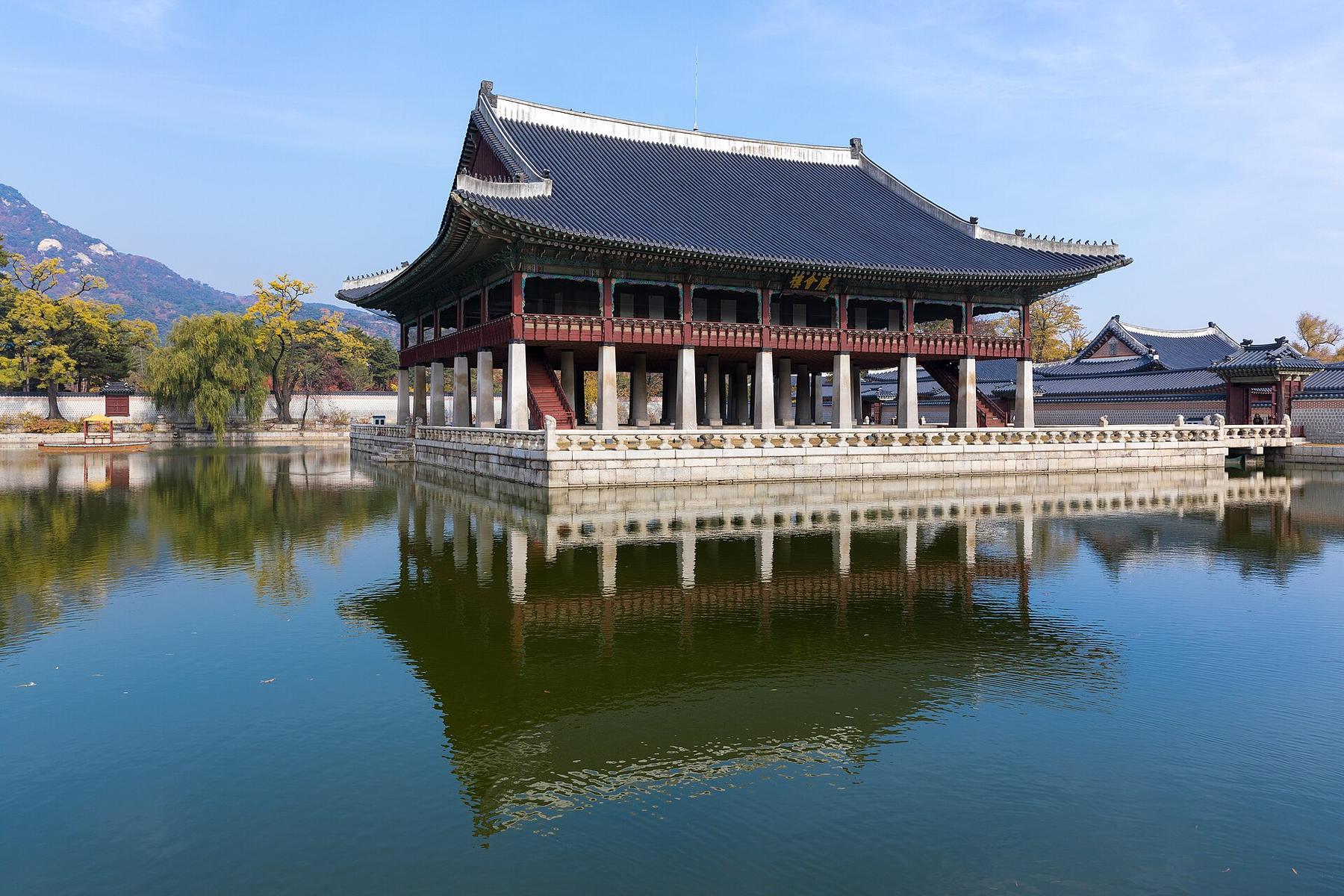
Changdeokgung and the Secret Garden. A more intimate palace, usually closed on Mondays. The Secret Garden is seen on a timed guided tour for an added fee of about ₩5,000, and places can go quickly in autumn, so book ahead.
Hanbok rental. Shops around the palaces rent traditional clothes by the hour. Wearing hanbok has long meant free palace entry, although that policy is under review, so confirm it first. Fully changing and doing your hair takes longer than you'd expect, so allow extra time.
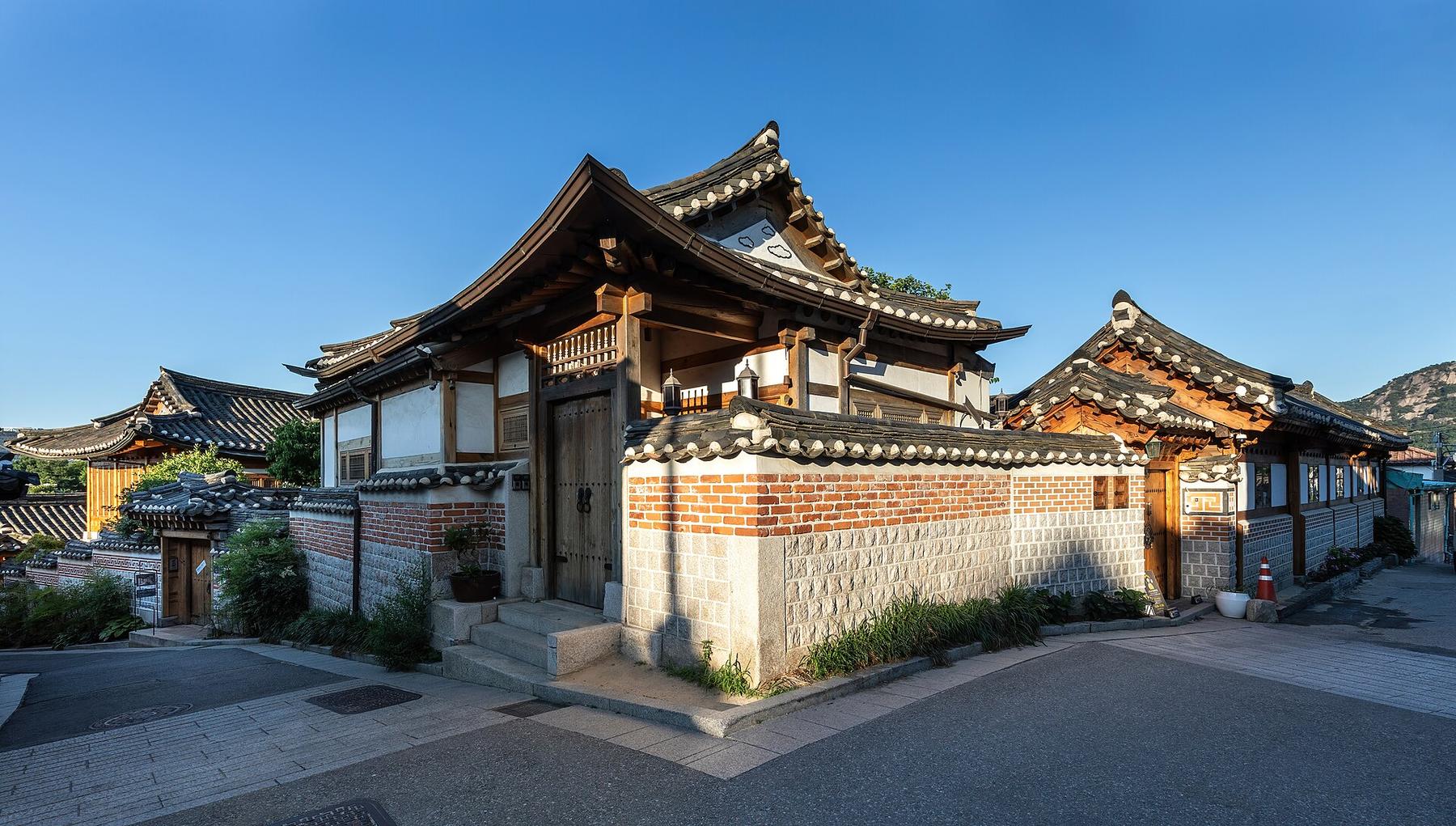
Bukchon Hanok Village. These are real homes, so keep your voice down and stay off private steps. Part of the area limits tourist access to about 10am to 5pm, with fines for visiting outside those hours. Go in the morning, then walk to Samcheong-dong or Insadong.
Museums. The National Museum of Korea has free permanent galleries, and the War Memorial gives useful background to modern Korea. Each could fill half a day, so they're ideal when the weather is bad.
Opens Klook in a new tab to complete your booking.
Food and nightlife
Gwangjang Market. Try bindaetteok, mung bean pancakes, and gimbap at the stalls. It gets very busy at peak times, and prices aimed at tourists do happen, so check the price before you sit down.
Korean barbecue. Neighbourhood restaurants usually need at least two portions of meat per order, which is worth knowing if you're alone. Staff often cook for you, or you can ask.
Street food. Myeongdong has plenty of stalls in the evening, though it's pricier than other areas. Tteokbokki, hotteok and fish cakes are easy starting points.
Hongdae, Seongsu and Itaewon. Hongdae is young, with buskers and clubs. Seongsu has converted warehouses, cafés and pop-up stores. Itaewon is international, with lots of rooftop bars. Pick based on how late you want to stay out.
Shopping and pop culture
Skincare and fashion. Myeongdong is the easiest place for cosmetics, while Gangnam and Seongsu have more fashion. Carry your passport for tax refunds. K-pop fans will find themed shops and cafés around Hongdae and Seongsu.
Views and day trips
N Seoul Tower. Go at sunset for the skyline, and take the cable car or walk up through Namsan Park. Walking up is free and it's lovely in spring and autumn.
Bukhansan. A national park at the city's edge, with real hiking. Trails can be steep and rocky near the top, so bring proper shoes, and avoid weekends if you can.
DMZ tours. Visits to the border area require a guided tour and your passport. Parts of the itinerary can change or be cancelled at short notice for security reasons, so read the terms and bring your passport on the day.
Suwon and Nami Island. Suwon's Hwaseong Fortress is an easy half-day by subway, while Nami Island and Gapyeong need most of a day. Both can be done without changing hotels.
A realistic three-day plan
Day 1. Gyeongbokgung, Bukchon and Insadong, then barbecue for dinner.
Day 2. Changdeokgung's Secret Garden in the morning and Gwangjang Market for lunch, then Myeongdong and N Seoul Tower at sunset.
Day 3. The National Museum in the morning, Seongsu cafés in the afternoon and Hongdae at night.
Practical advice
Getting around. Buy a rechargeable transit card for subways and buses, and use a Korean map app such as Naver Map or KakaoMap, as Google Maps has limited walking directions here.
Closing days. Palaces close on different days, and many museums close on Mondays, so check before planning your route.
When to go. Spring blossoms and autumn leaves are the favourite times, and both are busy. Summers are hot with a rainy season, while winters are very cold but good for indoor food and shopping.
Opens Klook in a new tab to complete your booking.