
Car rental in Kyoto
On this page
You don't need a car in Kyoto. Buses, subways and trains reach the main temples, while the city streets are narrow and busy, especially in the autumn leaf season, and there is little parking near the sights. A rental makes sense for the coast and countryside to the north, such as Amanohashidate, Ine and Miyama, especially with family or luggage. In November 2026, listings started from about US$44 a day, but budget for tolls, fuel and parking as well.
When a car is worth it
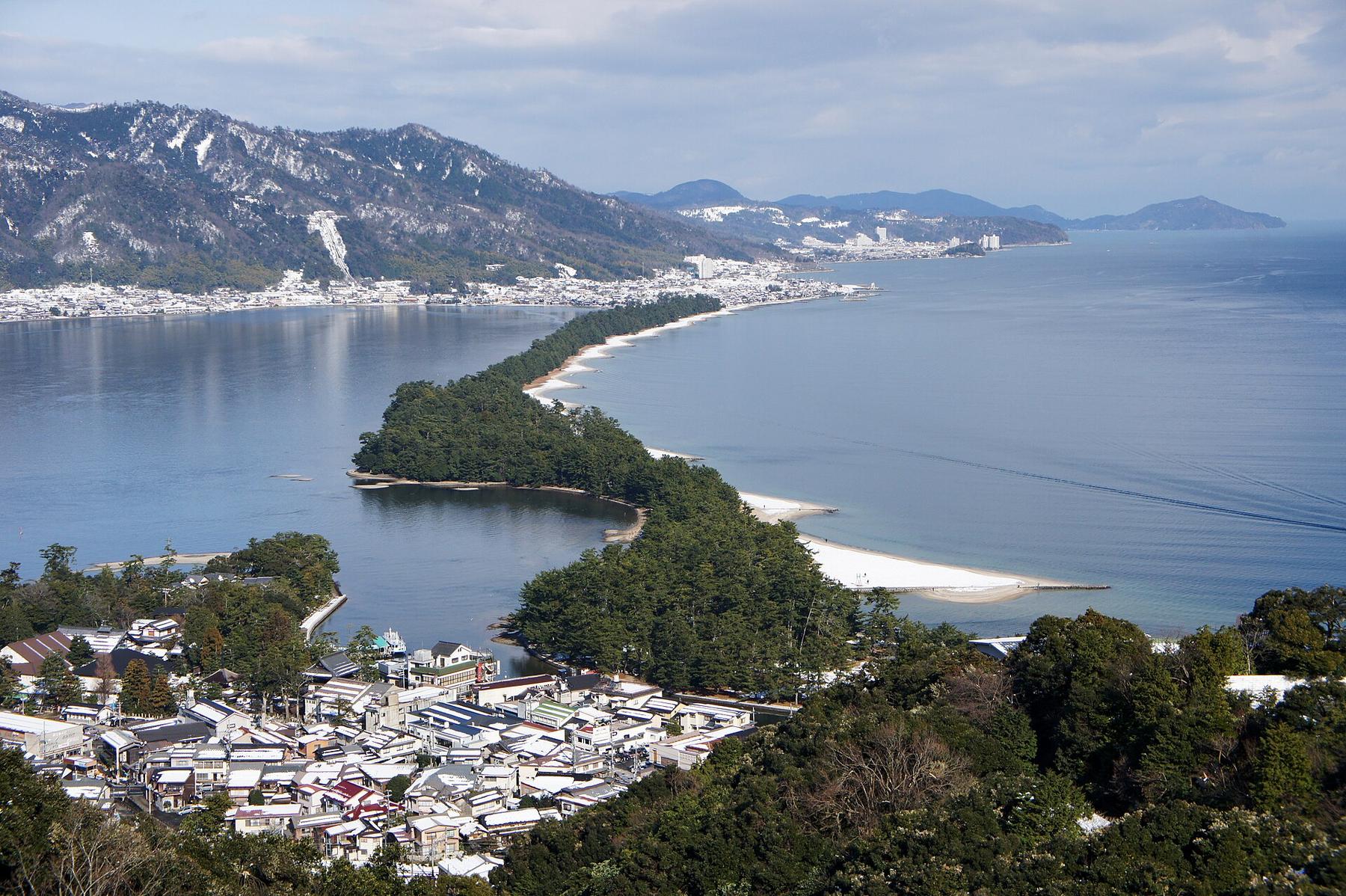
Amanohashidate. A famous pine-covered sand spit across a bay on the Sea of Japan coast. Allow about two hours each way, and consider an overnight stay if you want to see Ine as well.
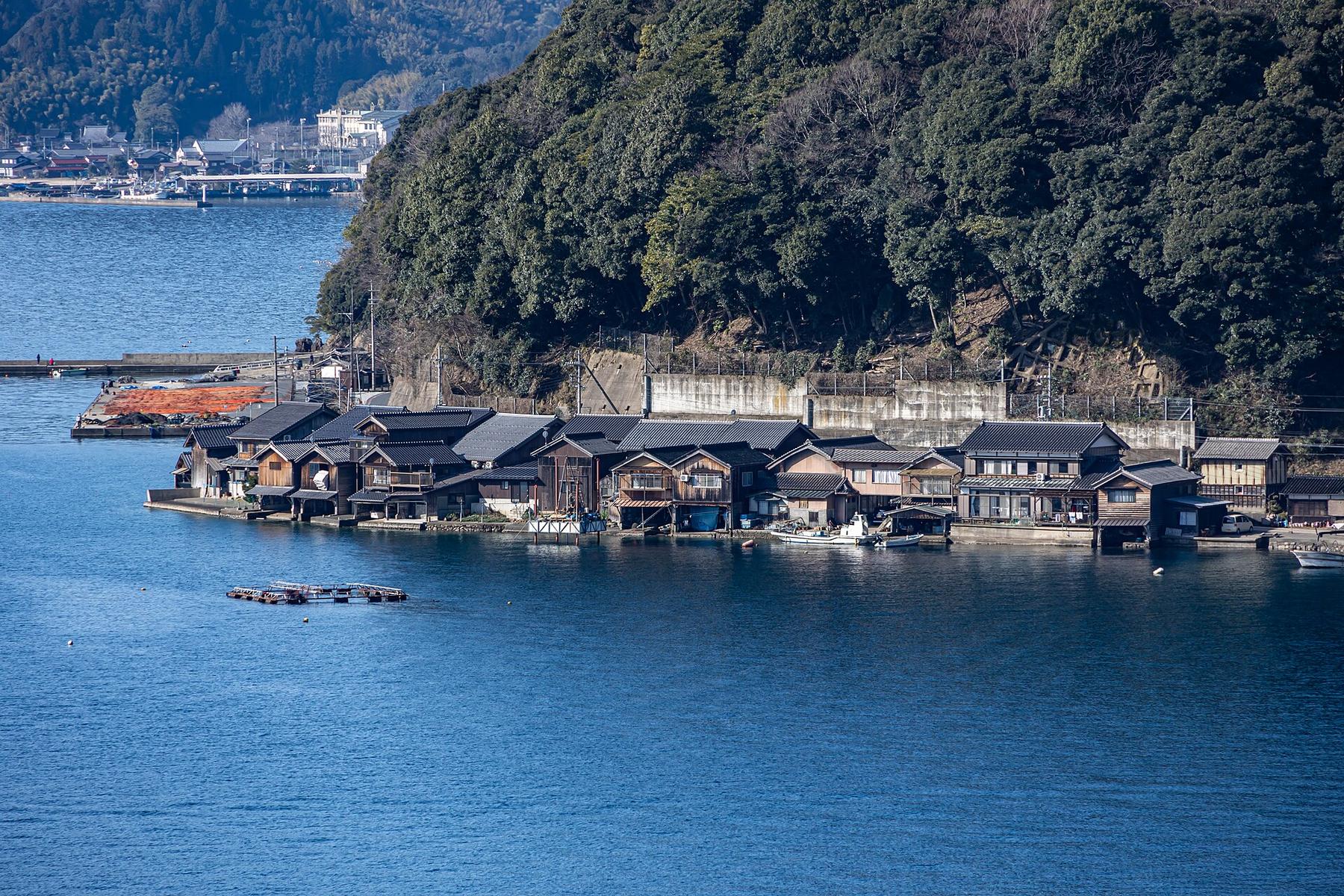
Ine. A fishing village where wooden boathouses stand right on the water. Allow about three hours from Kyoto, so it suits a night away or a very early start.
Miyama. A mountain valley of thatched farmhouses, about an hour and a half from Kyoto. Narrow country roads and snow in winter are common, so check conditions first.
Lake Biwa. Japan's largest lake is within an hour of Kyoto, with lakeside roads and small towns that are hard to link by public transport.
Opens Trip.com in a new tab to complete your booking.
Before you book
Your licence. Japan accepts international permits issued under the 1949 Geneva Convention, not the 1968 Vienna one. Drivers from some places, including Taiwan, may need an official Japanese translation of their licence instead. You must arrange this before you travel, so confirm with the rental company what your licence requires. Bring your passport and original licence as well.
Where to collect the car. Collect the car when you leave the city, not for your whole stay, so you aren't paying to park it while you see the temples. A branch near the station is the easiest starting point.
Insurance. Check what the basic cover excludes. Many companies add a non-operation charge if the car needs repair, and optional cover can reduce it.
Extras. Reserve a child seat if you need one, as young children must use one by law. Ask for an ETC card and an English navigation system.
Driving in Japan
The basics. Traffic drives on the left. Drink-driving rules are very strict, so don't drink at all if you're driving. Stop fully at railway crossings and stop signs.
Tolls. Expressways are comfortable, but tolls add up quickly. An ETC card lets you use the dedicated lanes without stopping. Ask the rental company how tolls are settled.
Traffic and parking. Central Kyoto is congested at weekends and especially in the autumn leaf season, which includes November. Many temples have little or no parking, and many city hotels charge for it or have none, so check before you book.
Winter. Roads in the northern hills, including around Miyama, can be snowy and icy from about December to March. Ask for winter tyres or chains if you're heading north then.
Returning the car. Most rentals expect a full tank, so allow time to refuel near the branch and to check the car with the staff.
Opens Trip.com in a new tab to complete your booking.