
Activities in Kyoto
On this page
Kyoto is best experienced slowly. Choose two or three anchors a day and leave time for tea, gardens and walks.
Temples and gardens
Kiyomizu-dera and Higashiyama walk. Go early, then wander down toward Gion through the old lanes.
Fushimi Inari. Walk partway or all the way up. Evening visits can be atmospheric. Check conditions for the upper paths.
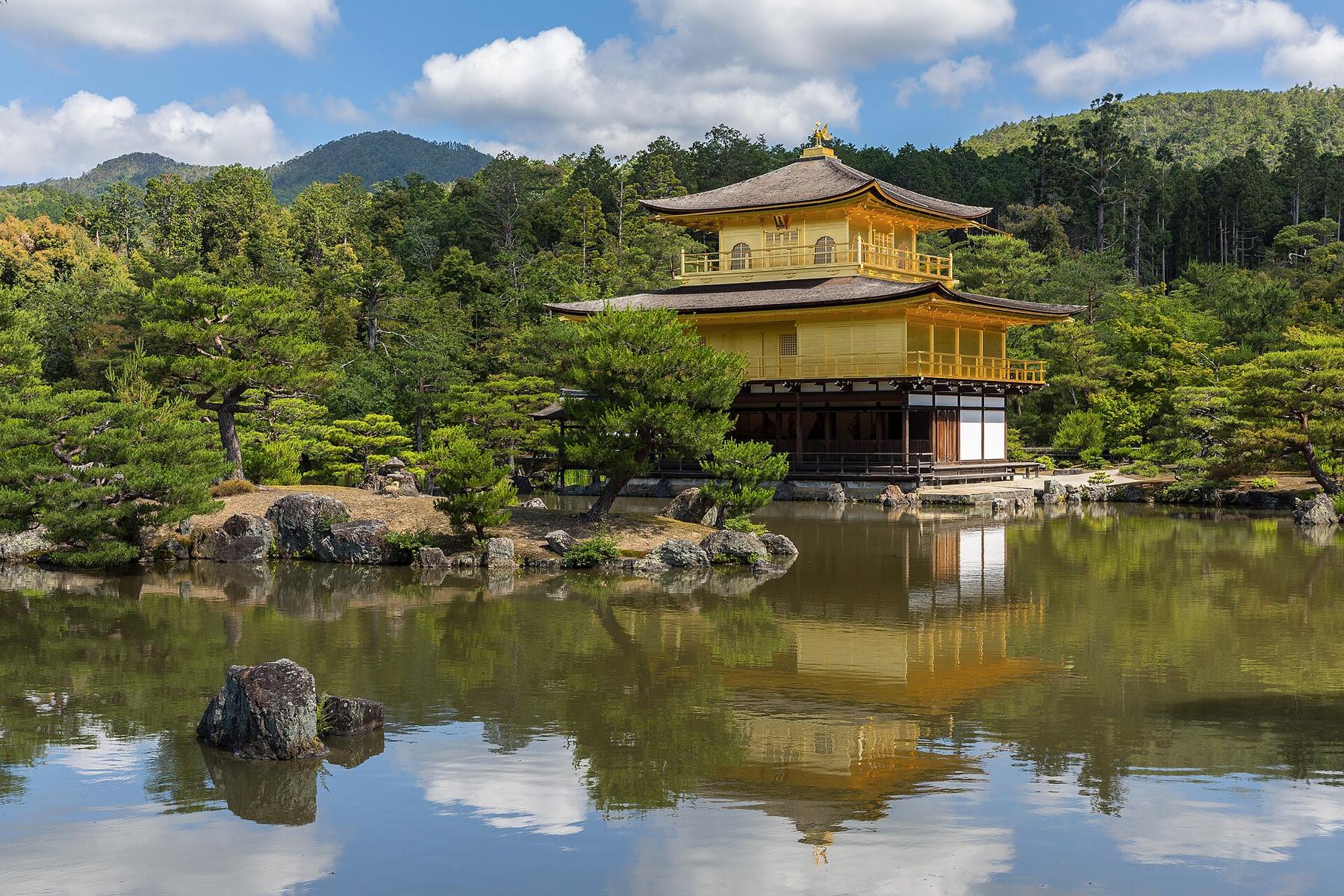
Kinkaku-ji and Ryoan-ji. A pair of famous sites in the north. Pair them with a quieter temple like Ninna-ji.
Arashiyama. Take the river path, visit Tenryu-ji and consider the monkey park for a hill view.
Nijo Castle. Notable for its "nightingale floors" and decorated rooms.
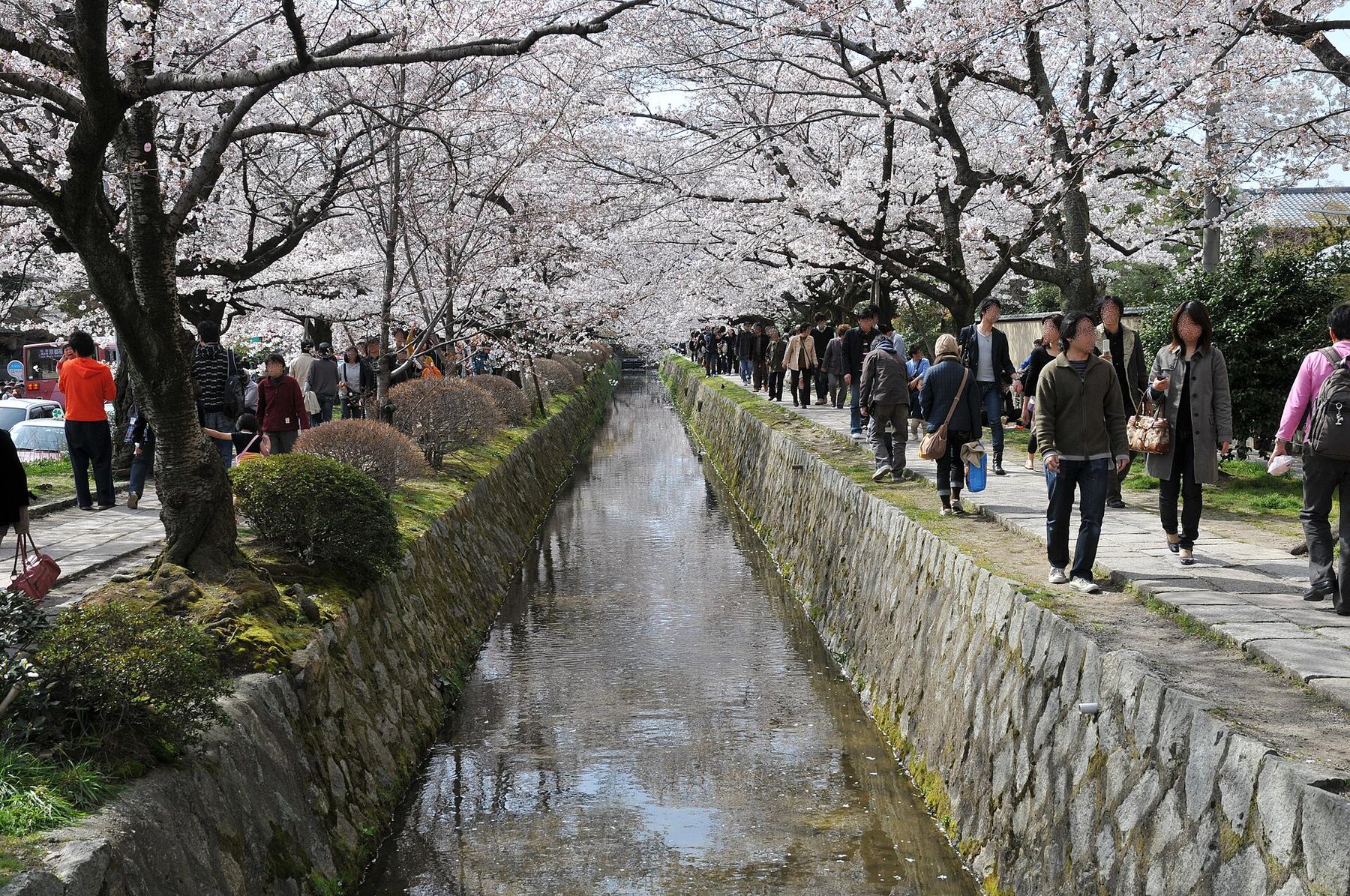
Philosopher's Path temples. Ginkaku-ji at one end and several smaller temples along the path make for a slower, less crowded half-day than the headline sites.
Opens Klook in a new tab to complete your booking.
Traditional experiences
- Tea ceremony: book a small, authentic session.
- Kimono rental: popular in Higashiyama. Plan around crowds and weather.
- Cooking classes: learn local dishes, including seasonal Kyoto cuisine.
- Craft workshops: pottery, textiles and paper-making are options.
- Sake tasting: the Fushimi district has a cluster of breweries open for tastings and small museum visits, an easy pairing with a visit to the Inari shrine nearby.
Food
Kyoto's cuisine is delicate and seasonal. Try kaiseki, tofu dishes, matcha sweets and pickles. Nishiki Market is a lively strip for snacks, though it can be crowded. For quieter eating, look into side streets.
Shojin ryori, the vegetarian cooking developed in Buddhist temples, is worth seeking out even for non-vegetarians, since it showcases a side of Kyoto's food culture distinct from kaiseki, and some temples serve it to visitors by advance reservation.
Day trips
Nara is about 45 minutes away, best known for its large temple complex and the park where deer roam freely among visitors. Uji, known for matcha, is a quiet alternative, with a historic temple on the river that draws far fewer crowds than central Kyoto's sites. Hikone and Lake Biwa suit travelers who want fewer crowds and a different landscape, with a well-preserved castle and lakeside scenery respectively.
Practical advice
Respect shrine and temple rules. Keep voices low and do not photograph where signs prohibit it. Carry cash for small admissions.
Footwear matters more here than in most Japanese cities, since several temples require removing shoes before entering. Shoes that slip on and off easily save real time and hassle over a day with multiple temple stops.
Weather shapes a Kyoto day more than it might elsewhere, since many of the best experiences are outdoors: temple gardens, riverside walks and the bamboo grove all depend on dry, calm conditions to feel their best. Checking the forecast the night before and keeping a flexible backup plan for a rainy morning, such as an indoor museum or covered shopping arcade, avoids losing a day entirely to weather.
Opens Klook in a new tab to complete your booking.