
Hotels in Fukuoka
On this page
Fukuoka is one of the easiest Japanese cities to base yourself in, as the subway reaches Hakata in about five minutes from the airport and Tenjin in about eleven. That makes the choice less about transport and more about what you want outside your door. In November 2026, hotel listings started from about US$51 a night, and rates can jump on concert and festival dates.
Where to stay
Hakata Station. The most practical base, with the shinkansen, the subway and the main bus terminal in one place. It suits short stays and day trips to Dazaifu, Beppu or Nagasaki. The restaurants under and around the station are plentiful, though the area gets quieter later in the evening than Tenjin.
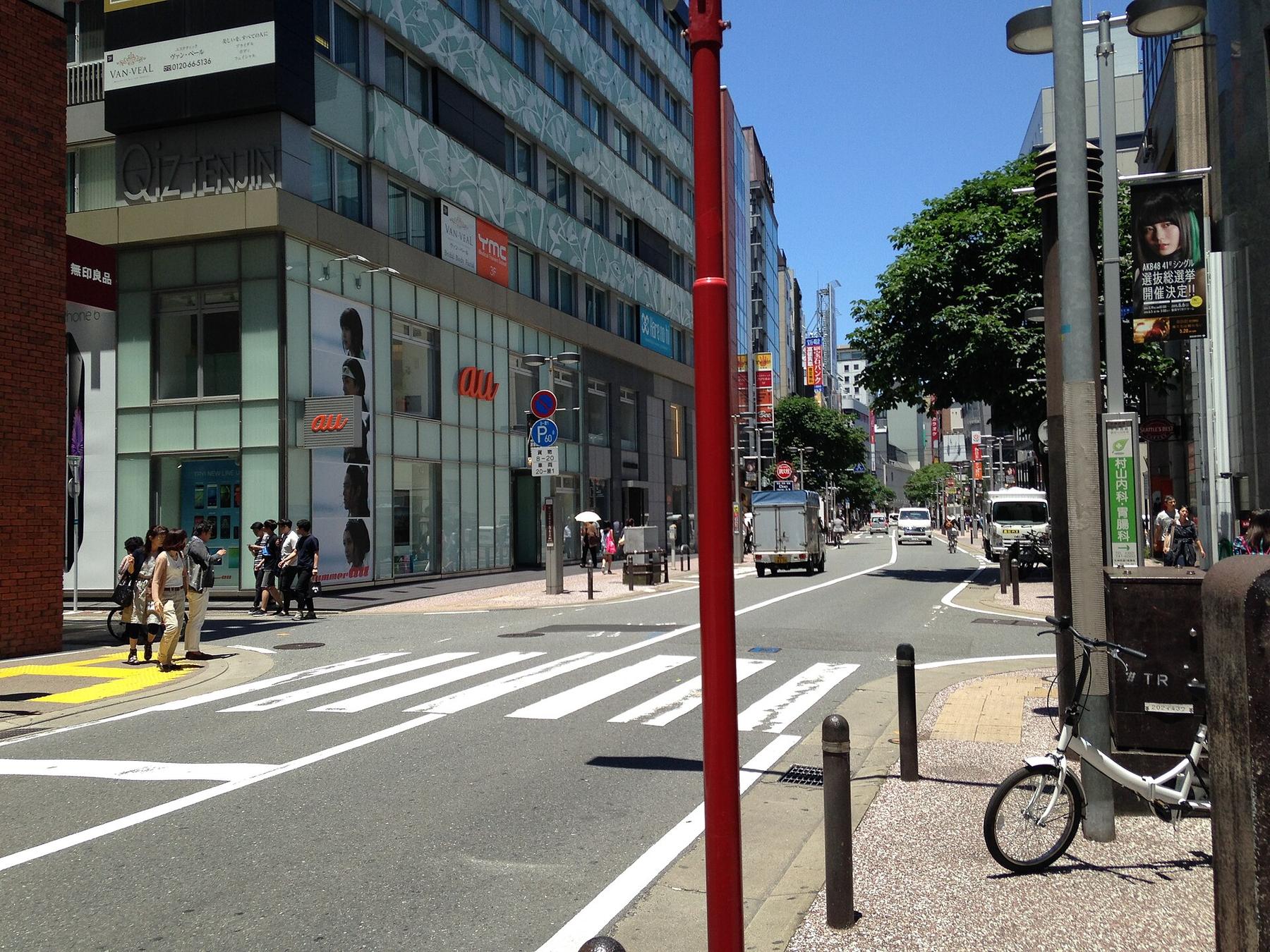
Tenjin. Fukuoka's shopping and dining centre, with department stores, the Nishi-dori shops and bus and subway links. It's the best fit if you care more about evenings than train connections, and it's also close to the yatai food stalls.
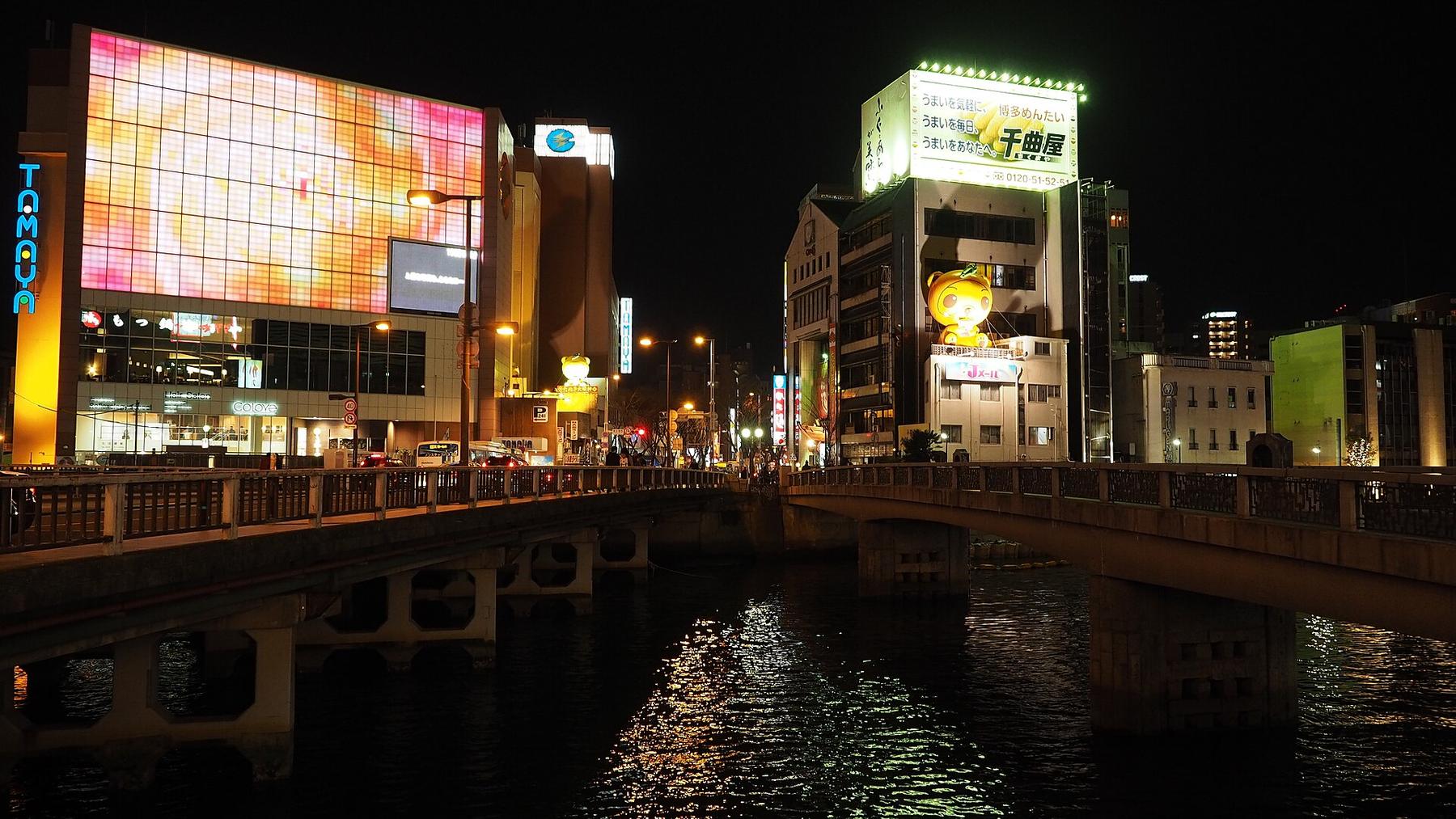
Nakasu. An island between two rivers, with yatai on the waterfront and a large entertainment district. It's central and lively, but parts of it are a nightlife area with hostess bars and late-night noise. Families may prefer to stay a little farther away.
Gion and Kushida. A calmer area between Hakata and Nakasu, near old temples and Kushida Shrine. You can walk to Hakata Station or Canal City, and Gion subway station is one stop from Hakata.
Ohori Park. A quiet residential area around a large park with a walking path around the lake. It's good for longer stays and morning runs, and it's on the airport subway line, though there are fewer hotels to choose from.
Momochi. The seaside district around Fukuoka Tower and the beach, with some larger hotels. It feels more spacious, but it's a walk or bus ride from the subway and farther from the evening food scene.
Opens Trip.com in a new tab to complete your booking.
How to choose
Day trips or dinners? Choose Hakata if you'll be catching trains most days. Choose Tenjin or Nakasu if you'd rather walk to dinner and take the subway only occasionally.
Check what's on in the city. Big concerts and events at the Fukuoka dome and other venues can push up prices and fill rooms across the city, often with little warning. If rates look unusually high, try moving your dates by a night or two.
Plan the yatai walk. Yatai usually open in the evening and close in bad weather. A hotel in Tenjin, Nakasu or Gion lets you walk there and back, which is easier than timing the last subway.
What to expect
Room size. Most city hotels are business hotels with compact, efficient rooms. If you're travelling with large suitcases, check the room size in square metres before you book.
Extra charges. Fukuoka city and prefecture charge an accommodation tax, so check whether your final price includes it.
Rooms facing the water. River views in Nakasu can come with noise from the stalls and bars below, so a higher floor may be worth asking for.
When to book. Book early for Golden Week and Hakata Dontaku in early May, Hakata Gion Yamakasa in July, and the sumo tournament in November. Summer is hot and humid, and typhoons can disrupt travel, so check your cancellation terms.
Opens Trip.com in a new tab to complete your booking.