
Activities in Fukuoka
On this page
Fukuoka's appeal is relaxed, so plan around food and short trips rather than a packed itinerary. The airport is only minutes from the centre by subway, the city is compact, and much of Kyushu is within reach by train. Two days are enough for the city, and you can add day trips from there.
In the city
Yatai stalls. These small open-air food stalls are Fukuoka's signature, found mainly in Nakasu, Tenjin and Nagahama from around dusk. Try a dish or two at each, then move on so that others can sit down. Stalls may close in bad weather, and some take only cash.
Hakata Old Town. Temples such as Shofuku-ji and Tocho-ji are close to Hakata Station, and few visitors go there. Tocho-ji has a huge wooden Buddha, and the area is an easy morning walk.
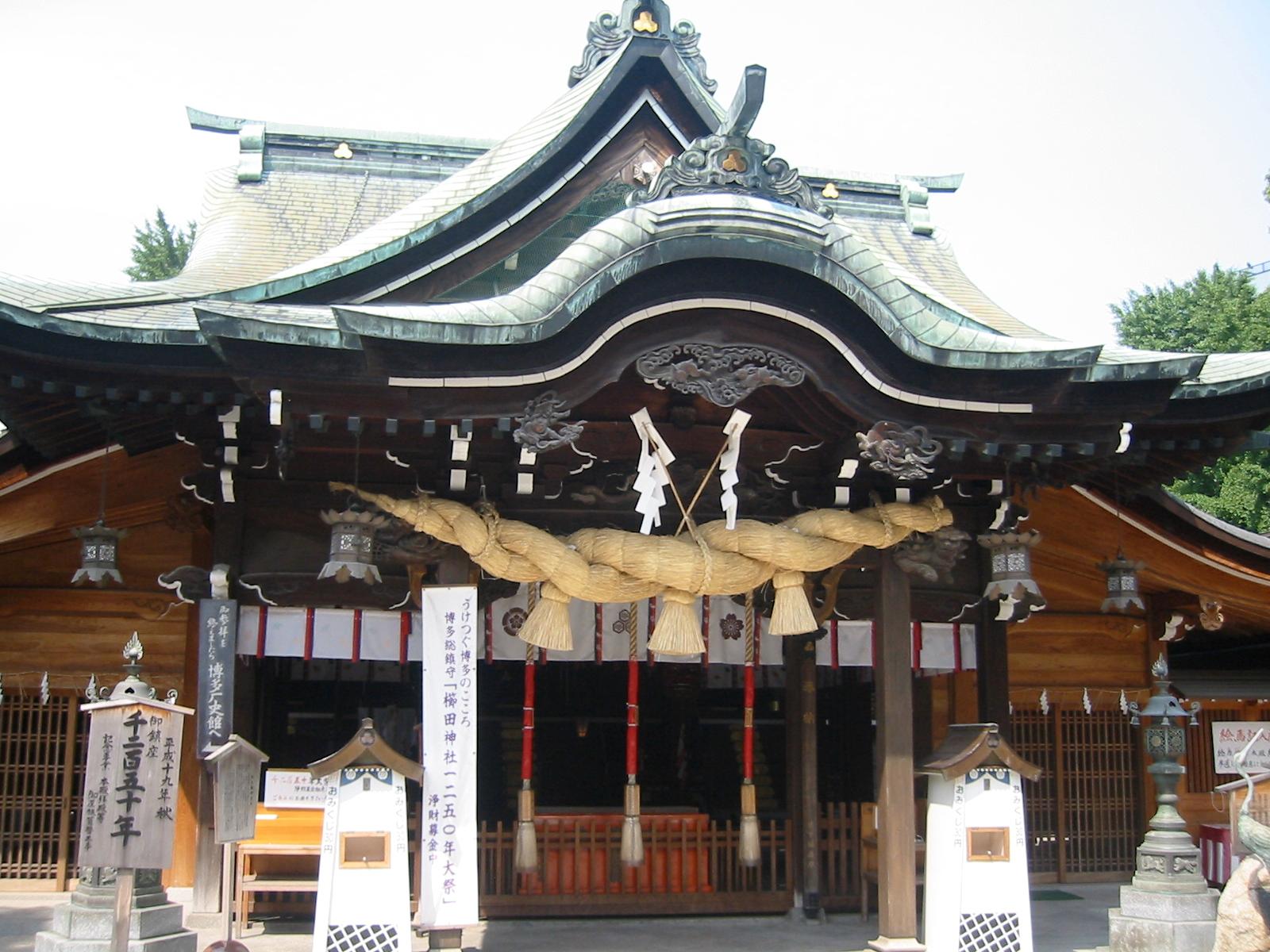
Kushida Shrine. The guardian shrine of Hakata and home to the Yamakasa festival in July. Even out of season, you can see one of the tall decorated floats on display. It's a short walk from Canal City and the Kawabata covered arcade.
Ohori Park and the castle ruins. Walk around the lake, then climb the old stone walls of Fukuoka Castle for a view. It's free, and it's especially pretty in cherry blossom season.
Momochi seaside. Fukuoka Tower has city and sea views, and there's a man-made beach below. Go near sunset for the best light.
Nokonoshima. A short ferry ride from the city takes you to a small island with a seasonal flower park. It's an easy half-day if you're here for longer.
Opens Klook in a new tab to complete your booking.
Food
Hakata ramen. Thin noodles in a rich pork broth. Many shops let you choose how firm your noodles are and order a refill, called kaedama. Some have a ticket machine at the door, so have small notes ready.
Other local dishes. Try motsunabe, a hot pot of offal and garlic chives; mentaiko, spicy cod roe, which you can sample at specialist shops; and small one-bite gyoza. A food tour helps if you'd like someone to explain the yatai etiquette.
Day trips
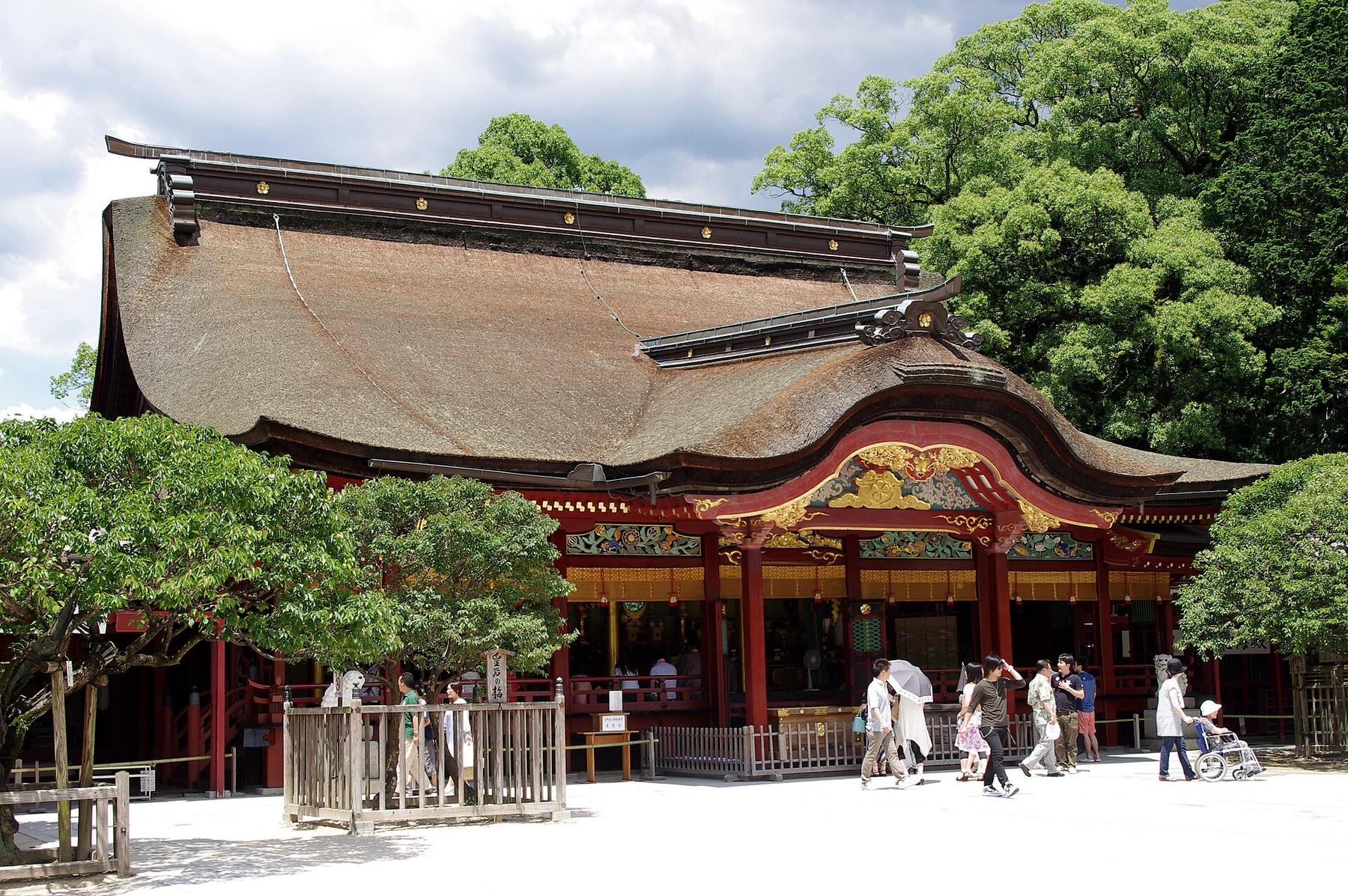
Dazaifu. A shrine town dedicated to scholarship, and known for plum blossoms from about February to March. Direct or easy connecting trains from Tenjin take well under an hour, so it's a comfortable half-day. The Kyushu National Museum is nearby, and shops on the approach sell warm umegae mochi.
Yanagawa. A canal town with gentle boat rides and grilled eel, about an hour from Tenjin by train.
Nagasaki. A historic port with a moving peace park and a mix of cultures. Trains take around two hours, so it's better to stay overnight if you can.
Beppu and Yufuin. Hot spring towns about two hours or more away by train. Yufuin is pretty and calm, and Beppu has steaming geothermal pools. Popular sightseeing trains need reservations.
Kumamoto and Mount Aso. The shinkansen reaches Kumamoto in well under an hour, and its castle is still being restored after the 2016 earthquake. Aso takes longer and depends on the volcano's status, so plan a long day or an overnight stay.
Practical advice
When to go. Spring and autumn are the most comfortable. June brings the rainy season, summer is hot and humid, and typhoons can disrupt ferries and trains from about August to September.
Getting around. The subway connects the airport, Hakata and Tenjin. Buses and trains are simple, and a transit card works on most of them.
At the stalls. Space is tight, so keep your bags small, don't stay too long when people are waiting, and carry cash.
Opens Klook in a new tab to complete your booking.