
Activities in Yogyakarta
On this page
Jogja suits both culture lovers and adventurous travellers. The two big temples, Borobudur and Prambanan, are on opposite sides of the city, so give each one its own half-day. Allow three days for the main sights, and a fourth if you want a cave or a volcano trip without rushing.
Temples and heritage
Borobudur. The great Buddhist monument is about an hour or more north-west of the city by road. Climbing the structure is limited by timed tickets and a daily quota, and the rules have changed in recent years, so check the official ticket site and book ahead if you want to go up. Start early for cooler air.
Prambanan. These tall Hindu temples are east of the city and look lovely in late afternoon light. Stay on for the Ramayana ballet on show nights. It's held on an open-air stage in the dry season and usually moves indoors when it's wet, so check the schedule.
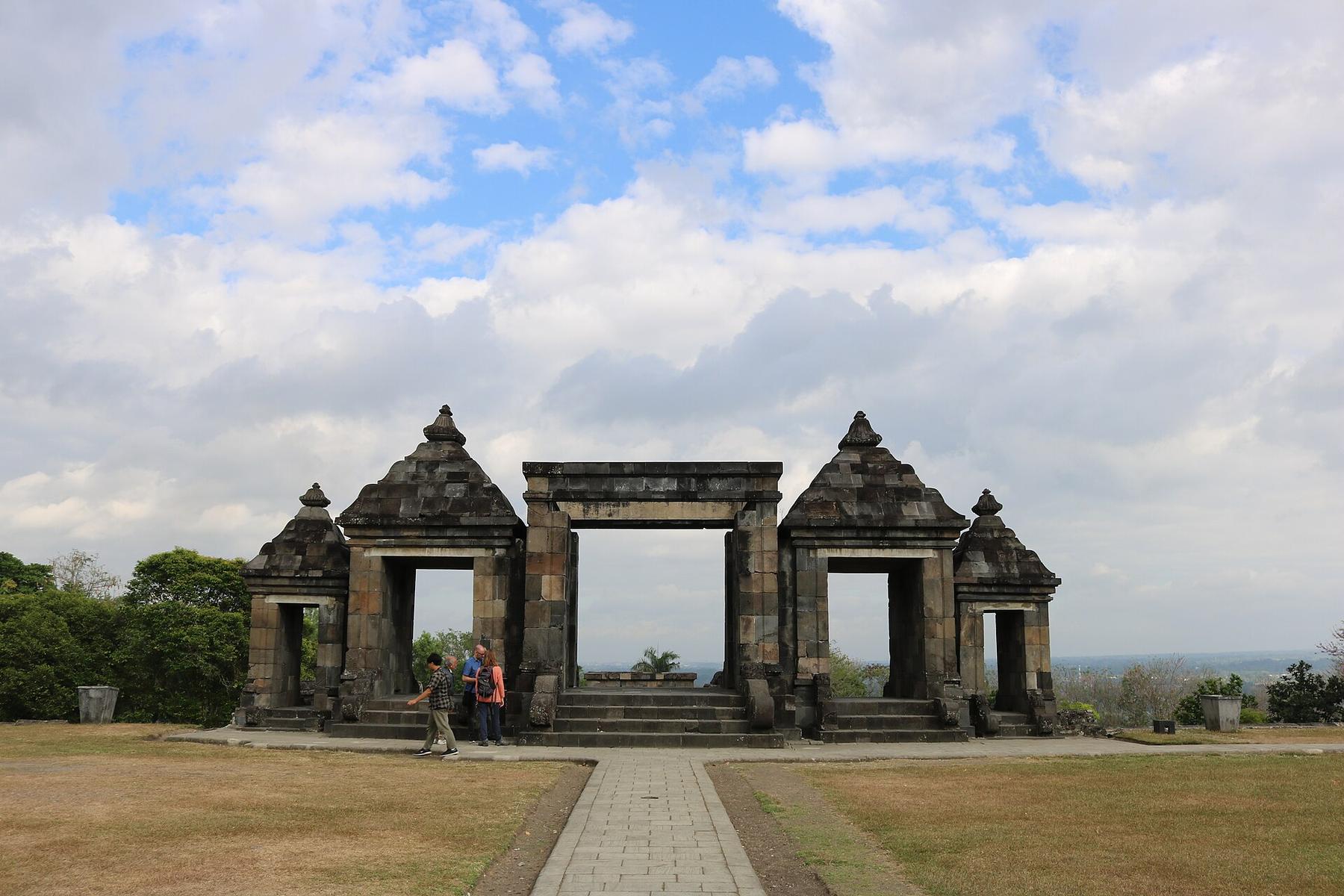
Ratu Boko. A hilltop site close to Prambanan that's known for its stone gateway and its sunset views. It's easy to combine with Prambanan on the same afternoon.
Kraton and Tamansari. The Sultan's palace is still in use, and its hours are mostly limited to the morning, so go early. Tamansari, the old water garden, is a short walk away, through a neighbourhood of small lanes.
Opens Klook in a new tab to complete your booking.
Crafts and food
Batik class. Short classes teach you to draw with hot wax and dye your own cloth. Half a day gives you something to take home, and it's a better way to learn about quality than a shop's sales talk.
Kotagede. The old silver quarter has workshops where you can watch craftspeople and often try making something yourself. Its lanes and old houses are worth a walk as well.
Night food. Try gudeg, the sweet jackfruit stew, and sit at an angkringan, a simple street stall with small snacks and coffee. The stalls near Tugu station are a popular place to start.
Nature and adventure
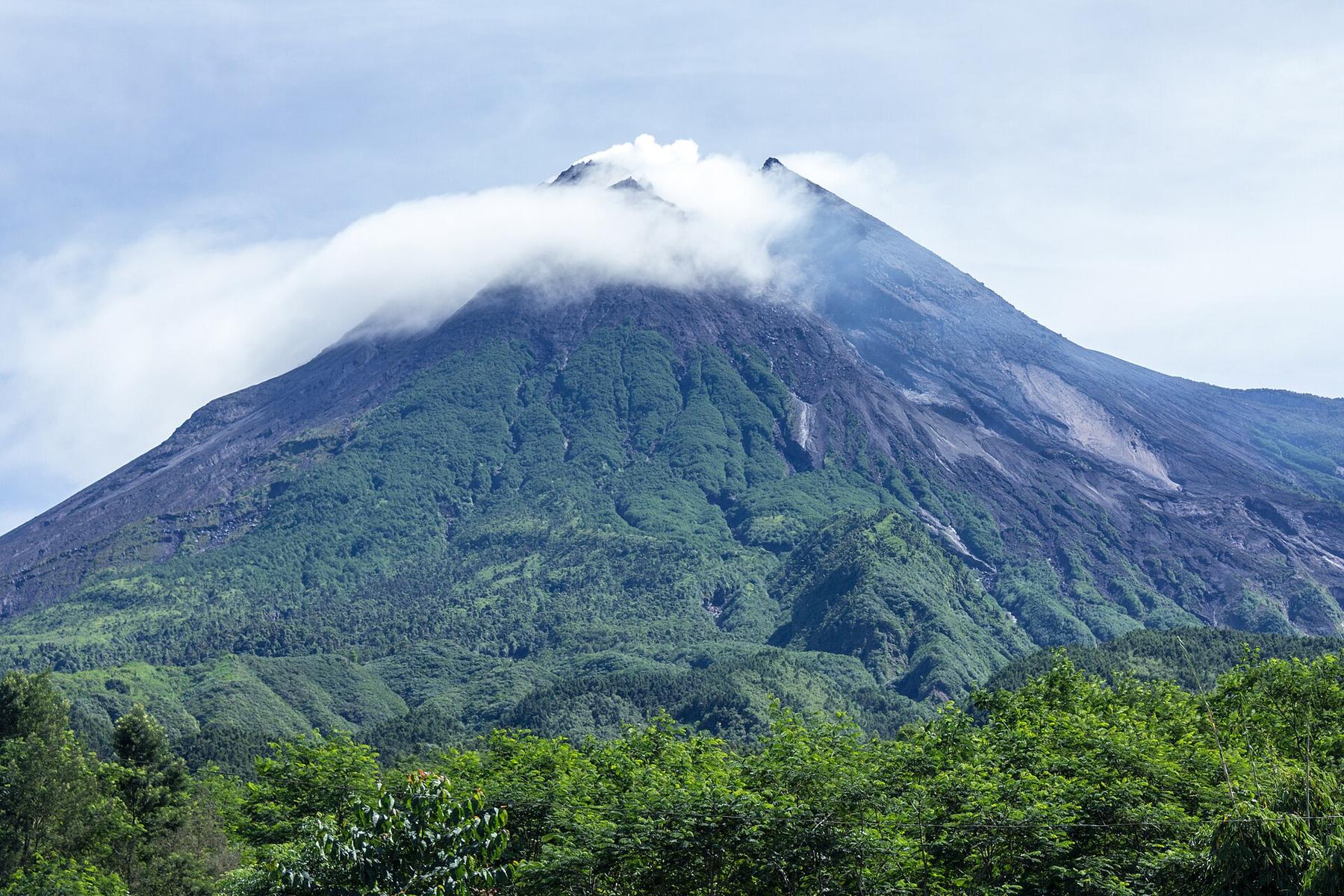
Merapi jeep tours. Open jeeps drive through lava-flow areas on the volcano's southern slopes, usually from around Kaliurang. Merapi is very active, so routes depend on the current alert level. Morning trips have the best chance of a clear view.
Jomblang Cave. Guides lower you by rope into a vertical cave, then you walk to a chamber where a beam of light comes in around midday. Visitor numbers are limited, it's a long drive, and you'll get muddy, so book ahead.
Pindul cave tubing. A gentle float through a river cave in Gunungkidul. It's easy for families, but it can be crowded on weekends and holidays.
Parangtritis and the south coast. Go for the dunes and sunset rather than a swim. The currents here are dangerous, so stay out of the water.
A realistic three-day plan
Day 1. Borobudur in the morning, then a Merapi jeep tour if you've routed it through the north side of the city. It's long but well organised.
Day 2. The Kraton and Tamansari in the morning, a batik class or Kotagede after lunch, and night stalls in the evening.
Day 3. A slow morning, then Ratu Boko and Prambanan in the late afternoon, and the ballet if it's on.
Practical advice
When to go. The dry season, roughly May to September, is the best time for clear views. Afternoon rain is common from about November to March, so plan outdoor visits for the morning.
Temple clothing. Dress modestly and bring a hat and water, as there's little shade. Sarongs or special footwear may be provided at some sites.
Paying and bargaining. Carry cash for small shops, and bargain politely at markets. Be wary of "special" batik galleries recommended by strangers on Malioboro.
Opens Klook in a new tab to complete your booking.