
Hotels in Tokyo
On this page
Where you sleep in Tokyo decides how your days feel, because rail time adds up. Choose by the kind of trip you want, and prefer a spot within a short walk of a major station.
Best areas to stay
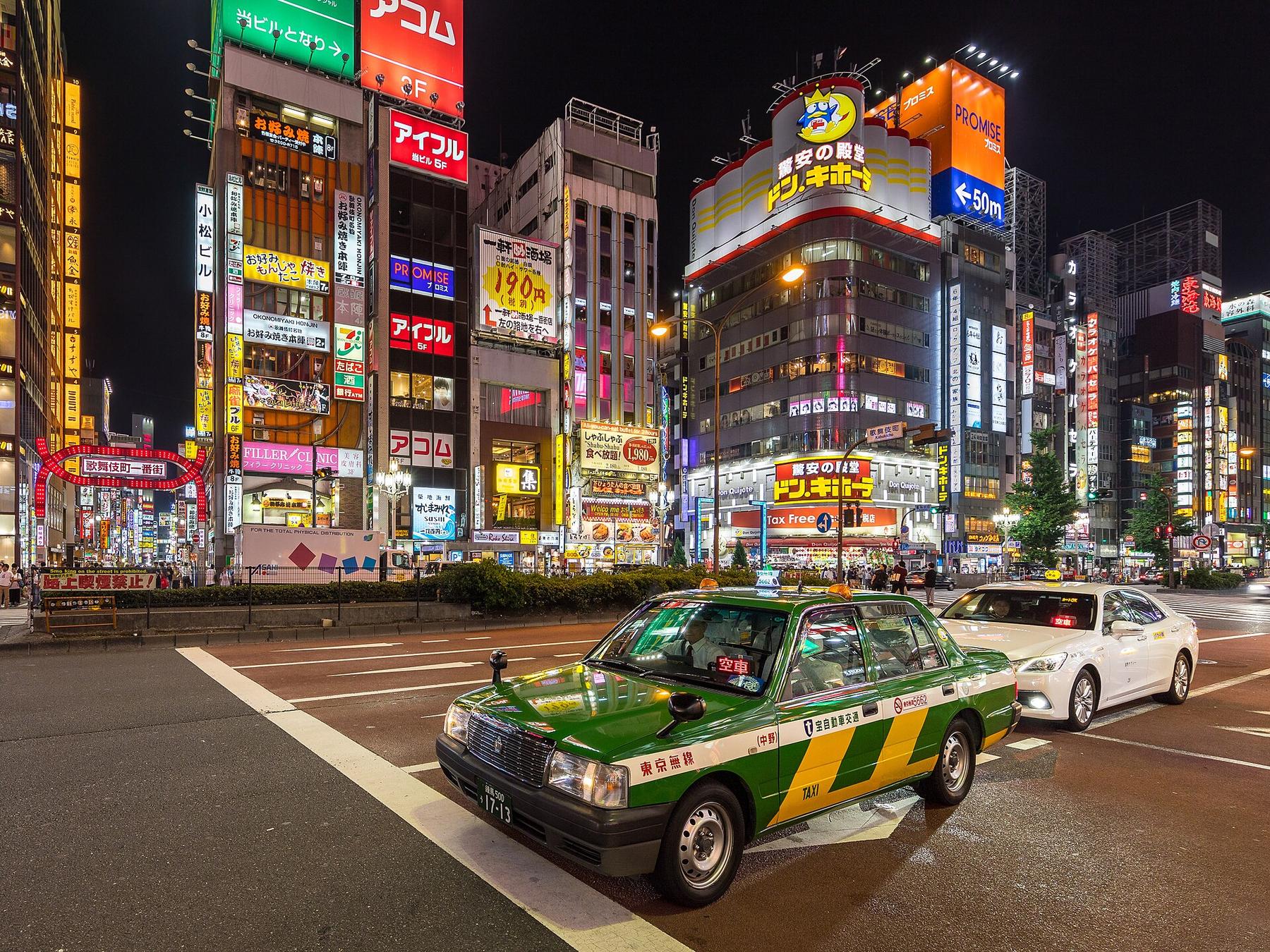
Shinjuku. The most practical base for first-time visitors. Direct lines reach most of the city, the airport trains stop here, and food and nightlife are right outside. The tradeoff is crowds and noise around the main station. West Shinjuku feels calmer and more corporate, while the east side is livelier.
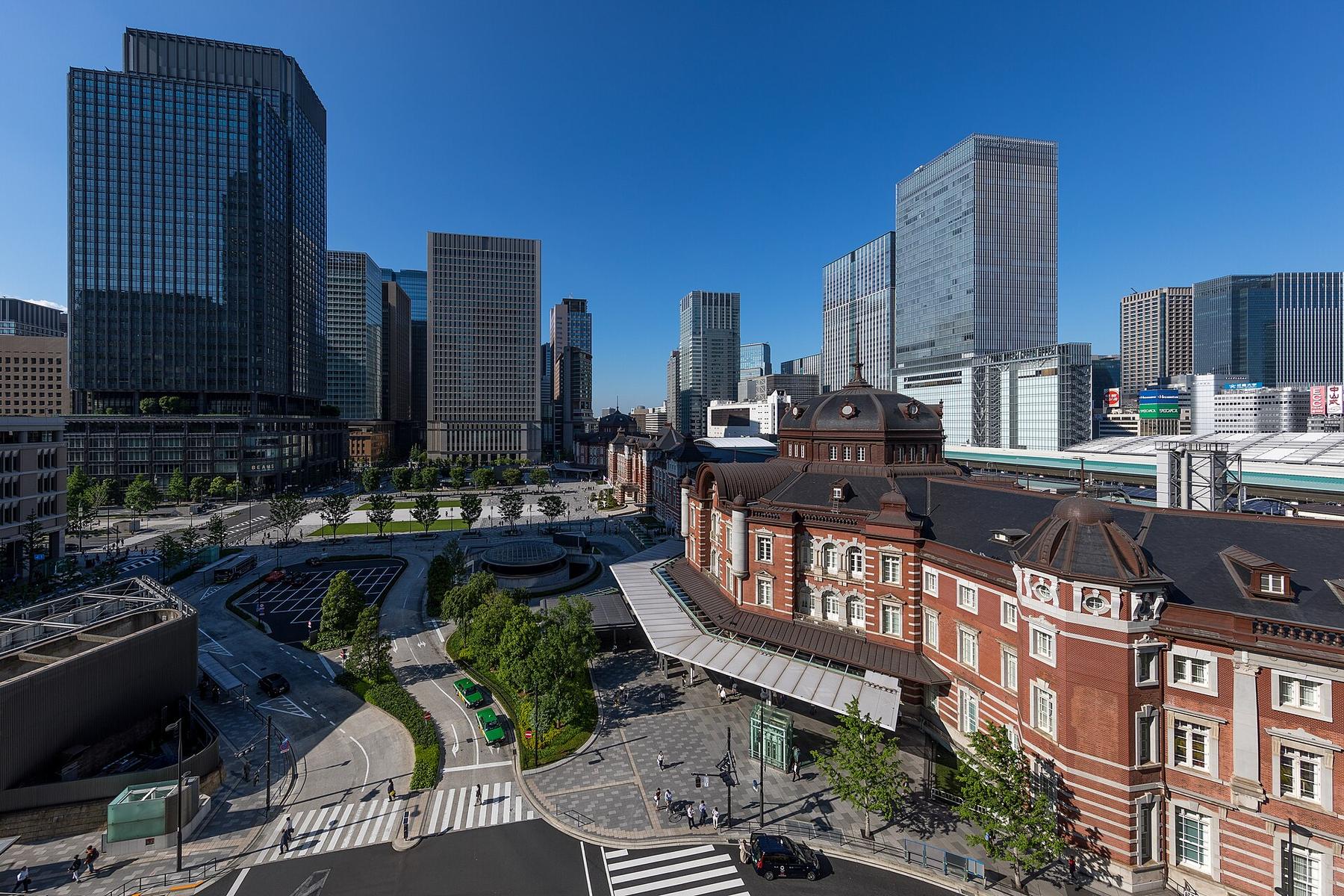
Tokyo Station and Marunouchi. Best if you plan shinkansen day trips or arrive from the airport on the Narita or Haneda routes. The area is polished, quiet at night and close to Ginza. Expect fewer casual, cheap food options after business hours.
Shibuya and Ebisu. Good for travelers who want shopping, cafés and dining within walking distance. Ebisu, one stop south, is calmer and has strong restaurants. Shibuya itself is busy and best for people who like energy.
Asakusa and Ueno. A good fit if you prefer older Tokyo, lower prices relative to the center and a quieter evening. You trade away some convenience for the west side, but the Ginza and Ginza-area lines still connect well.
Ginza and Nihonbashi. Central and elegant, with excellent food, plus easy access to the markets and east side sights. Better for couples and business travelers than for budget travelers.
Roppongi. Strong for art museums and international dining, with a more late-night character. Check how close you are to a subway exit, as the area is spread out.
Ikebukuro. A major but less touristed hub north of Shinjuku, with strong rail connections, large shopping complexes and a lower-key evening scene than Shibuya or Shinjuku.
Opens Trip.com in a new tab to complete your booking.
Choosing the right type
Tokyo rooms are smaller than in many countries, so check room size and bed type carefully rather than assuming. Business hotels are compact, efficient and clean, and they suit solo travelers and short stays. Larger international hotels offer more space. Capsule hotels are an experience in themselves for one night. Traditional ryokan stays are better saved for Hakone, Kyoto or other regional trips.
If you travel with large luggage, look for lodging near a major station or with a clear baggage plan. Stairs at smaller stations are common and not every exit has an elevator. Many travelers send suitcases ahead by a luggage forwarding service between hotels, which is a genuine time saver.
Noise is worth a thought too. Rooms facing a main road in a nightlife-heavy stretch of Shinjuku or Shibuya can stay lively well past midnight, while a room one street back, or on a higher floor, is often noticeably quieter for the same walk to the station. Reviews that mention a specific room location, not just the building, are more useful than the headline rating.
Families and longer stays
Family-friendly rooms with two beds or bunks exist but are limited, so book early and confirm bedding rather than assuming it matches the room photos. Serviced apartments and larger suites are worth comparing for groups or stays beyond about five nights, since they add a kitchenette and more floor space for the same footprint of a hotel corridor.
Two areas worth a special mention
Odaiba. A reclaimed waterfront island reached by a driverless elevated train, with wide promenades, shopping malls and a view back toward the city skyline. It suits travelers who want a change of pace from the dense center, though it sits apart from the rail network's core, so factor in a longer return trip at night.
Akasaka. Quieter than Shinjuku but still central, with government buildings by day and a calmer dining scene by night. A reasonable middle-ground base for travelers who want easy transit without Shinjuku's intensity.
Comparing neighborhoods side by side
Travelers who cannot decide between two areas often do better picking based on what they plan to do in the evening rather than during the day, since daytime sightseeing involves travel regardless of where you sleep. A base near Shibuya or Shinjuku suits evenings built around dining and nightlife; a base near Ueno or Asakusa suits an itinerary weighted toward temples, museums and an earlier night; a base near Tokyo Station suits travelers prioritizing day trips by shinkansen over nightlife at all.
Booking tips
- Book early for cherry blossom season, Golden Week, Obon and year end.
- Check the walking route from the station, not just the distance on a map. Tokyo's back streets can add confusing turns.
- Confirm check-in and check-out times if you arrive on a late flight or leave early.
- If you want a relaxed trip, prefer one base over moving hotels. A single base works well because of the rail network.
- Ask whether the property has an elevator and how many floors it serves, especially if you booked a budget hotel in an older building.
Opens Trip.com in a new tab to complete your booking.