
Activities in Goa
On this page
Goa is about beaches, food and slow days, but it's bigger than it looks. Driving from Arambol in the north to Palolem in the south can take over two hours, so choose one part of the coast for each day. Most boat trips and water sports depend on the season, and from about June to September the monsoon stops many of them.
Beaches and the sea
North Goa beaches. Calangute and Baga are the busiest, with beach shacks and nightlife. Anjuna and Vagator have cliffs and sunset views, and Arambol is more relaxed, with drum circles and street performers on the sand at sunset.
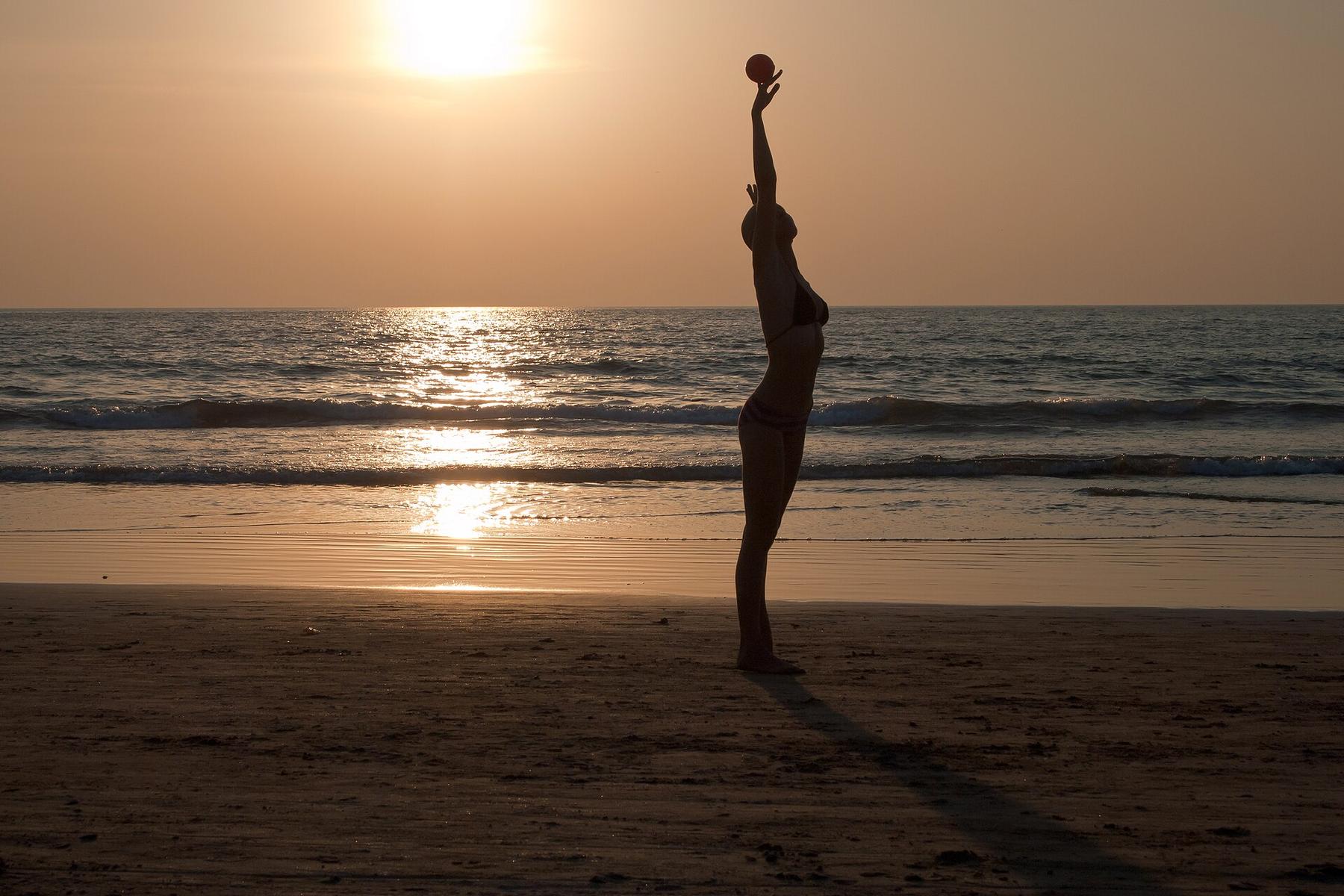
South Goa beaches. Palolem and Agonda are calmer and suit swimming and long lunches. If you want quiet, base yourself here rather than trying to visit in a day from the north.
Water sports. Parasailing, jet skiing and banana boats run from the main northern beaches in the dry season. Check that the operator provides life jackets, and agree the price and the length of the ride before you start.
Dolphin-spotting boats. These leave early in the morning from places such as Sinquerim and Palolem. Sightings are likely but not guaranteed, so don't pay extra for a promise.
Opens Klook in a new tab to complete your booking.
Culture and nature
Old Goa. The Basilica of Bom Jesus and Sé Cathedral are part of a UNESCO World Heritage Site, and a half-day is enough. Go in the morning, and cover your shoulders and knees.
Fontainhas. Panaji's Latin Quarter has colourful Portuguese-era houses, narrow lanes and small cafés. An easy walk here takes an hour or two, ideally in the late afternoon.
Spice plantations. Most are around Ponda, and tours usually include a guided walk and a lunch. It pairs well with Old Goa, which makes a relaxed day if you stay near Panaji.
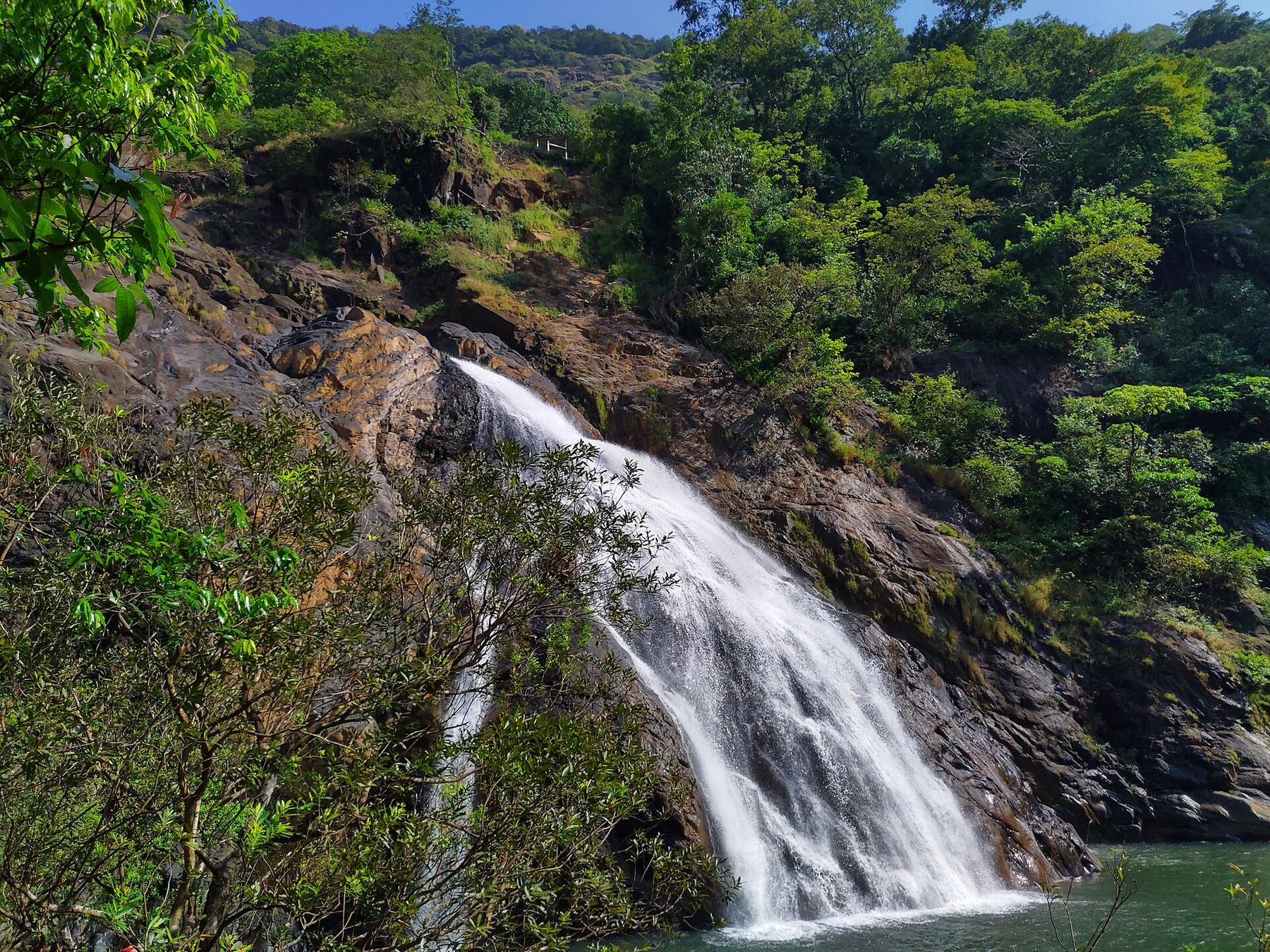
Dudhsagar Falls. This huge waterfall is on the Karnataka border and is usually reached by shared jeep from Kulem. The falls are strongest after the monsoon, but access is often closed during the rains, so check before you book. Allow most of a day.
Markets. Anjuna's Wednesday flea market and the Saturday night market at Arpora are the best known. They're mostly seasonal, running from about November to April, so check that they're open.
A realistic three-day plan
Day 1. A beach morning in the north, then sunset at Vagator or Arambol.
Day 2. Old Goa in the morning, spice plantation at lunchtime, Fontainhas in the late afternoon.
Day 3. Dudhsagar in season, or a slow day at Palolem if you'd rather not spend time in a jeep.
Practical advice
When to go. November to February is the driest and most comfortable, and also the busiest. Around Christmas and New Year, prices rise and traffic is heavy.
Getting around. Scooters are popular, but carry your licence and wear a helmet, as police checks are common. Taxis can be expensive, so agree the fare first.
In the water. Swim where lifeguards are on duty and obey the flags, as currents can be strong. Avoid swimming after drinking.
Opens Klook in a new tab to complete your booking.