
Hotels in Delhi
On this page
Delhi is spread out, so your nearest metro station matters more than how close a hotel looks on the map. Most first-time visitors should stay near Connaught Place, while South Delhi suits a calmer, longer stay. In November 2026, hotel listings started from about US$17 a night, but rooms at that level are very basic, and comfortable, well-located places usually cost much more.
Where to stay
Connaught Place. The most practical base for a first trip. Rajiv Chowk station connects the Yellow and Blue metro lines, so Old Delhi, the Qutub Minar and much of the city are a direct ride away. It's busy and rooms cost more for what you get, but restaurants and transport are right outside.
Paharganj. Backpacker hotels and cheap rooms across the road from New Delhi railway station. It's handy for an early train, and the Airport Express terminates at that station. The streets are crowded and touts are persistent, so read recent reviews and arrive in daylight if you can.
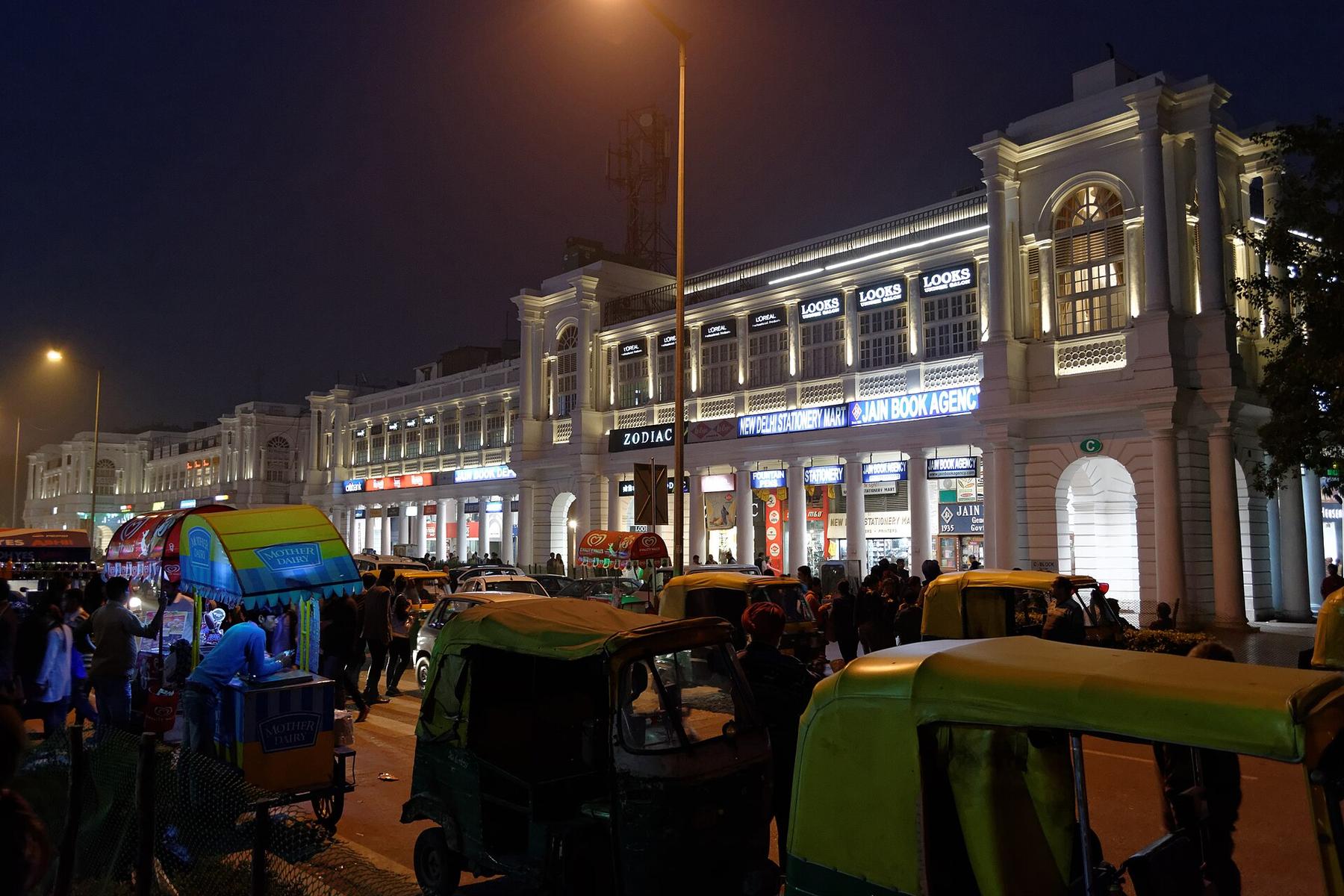
Karol Bagh. A busy market area on the Blue Line with plenty of mid-range hotels, popular with Indian families. It offers more room for the money than Connaught Place, though the streets around the market get congested.
Old Delhi. A few restored havelis near Chandni Chowk give you the area's history and food on your doorstep. The lanes are loud, packed and often too narrow for cars, so this works better for a night or two than a whole trip.
Lutyens' Delhi. Wide, tree-lined avenues around India Gate and Khan Market, home to many of the city's grandest hotels. It's calm and central, but there's little to walk to at night and budget rooms are hard to find.
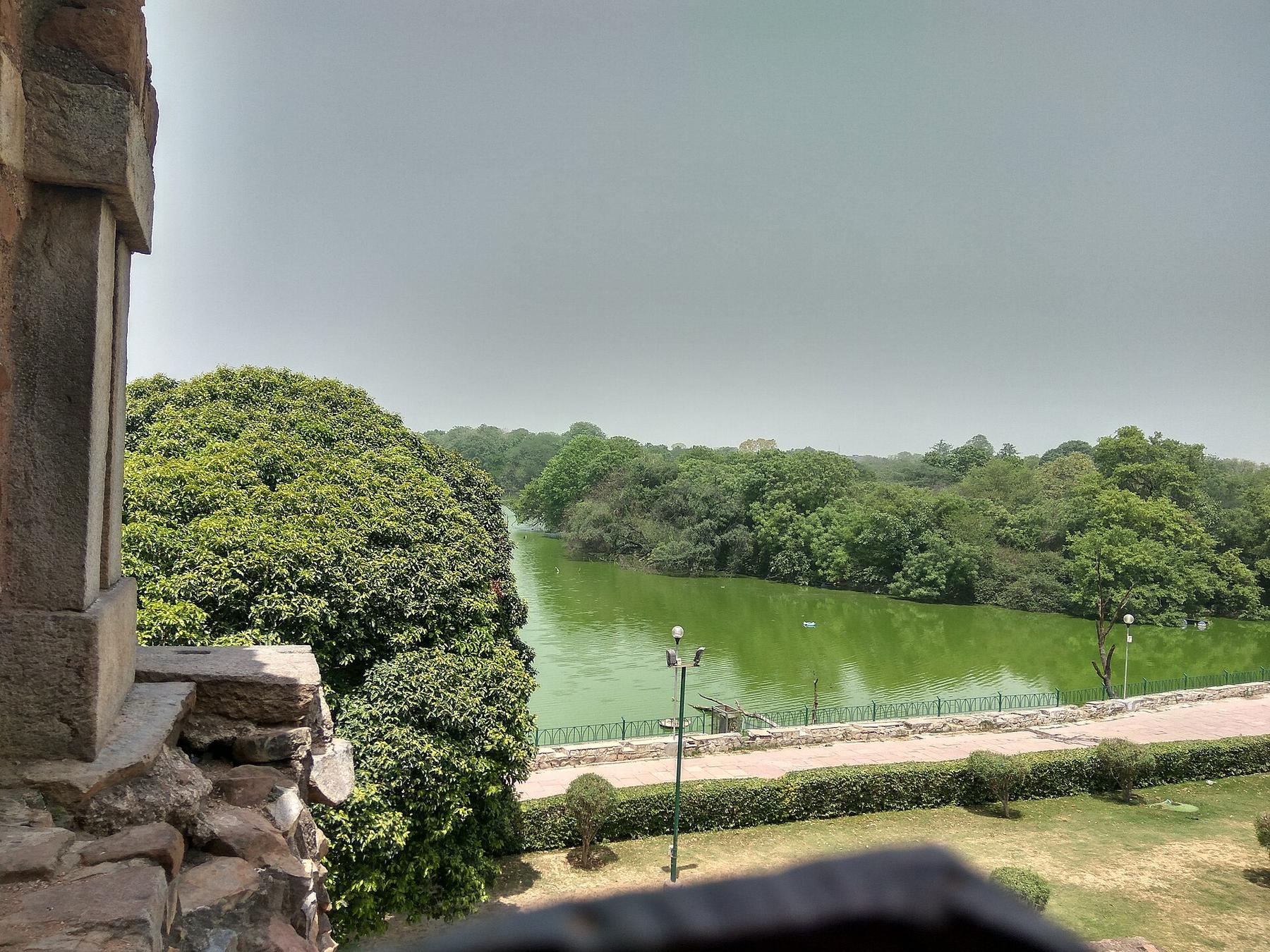
South Delhi. Hauz Khas, Defence Colony and Greater Kailash have guesthouses, cafés and leafy residential streets. Hauz Khas station is on both the Yellow and Magenta lines, which helps with reaching the sights and Terminal 1. Check the walk from your hotel to the metro, as distances here can be long.
Aerocity. A hotel district beside the airport, with international chains and its own Airport Express station. It's the easy choice for a late arrival or early flight, but it feels separate from the city and has little street life.
Opens Trip.com in a new tab to complete your booking.
How to choose
Follow the metro. Road traffic can be slow at peak hours, while the metro is usually more predictable. A hotel a few minutes' walk from a station on the Yellow Line will suit most sightseeing plans.
Match it to your airport terminal. Terminals 2 and 3 are close together, but Terminal 1 is a separate site on the Magenta Line. The Airport Express serves Terminal 3 only, so check your terminal before planning around it.
Check that it's really in Delhi. Searches for Delhi can include hotels in Gurugram and Noida. Both are separate business hubs, and they can add a long ride to every day of sightseeing.
What to expect
Winter nights. December and January can be cold, and many buildings aren't well insulated. Ask if the room has a heater and reliable hot water. Winter smog and fog are also common, so check the air quality and allow extra time for early flights.
Summer heat. Air conditioning is essential from about April to June, so confirm that it works in your room type, not just in the lobby.
Arriving at night. Arrange a pickup or use a prepaid taxi. If a driver says your hotel has closed or is full, call the hotel yourself rather than going somewhere else.
When to book. October to March is the busy season, and Diwali and Republic Day on 26 January are especially popular. Central roads can also close for Republic Day events, so ask how to reach your hotel.
Opens Trip.com in a new tab to complete your booking.