
Activities in Delhi
On this page
Delhi rewards early starts and patience. Its sights are spread widely, so group them by area and use the metro where you can, as it often beats road traffic. Check opening days as you plan, because several major sights close on Mondays and the Taj Mahal closes on Fridays.
Monuments
Red Fort and Jama Masjid. These are close to each other in Old Delhi, so see them on the same morning. The Red Fort closes on Mondays, and in November 2026, foreign visitor tickets started from about ₹550 to ₹600. At Jama Masjid, cover your arms and legs, and avoid prayer times.
Humayun's Tomb. A UNESCO-listed garden tomb that helped inspire the Taj Mahal. It's calmer than the bigger sights and looks lovely in the late afternoon light. Allow one to two hours.
Qutub Minar and Mehrauli. The tall minaret is in the south of the city and has similar foreign visitor prices to the Red Fort. Mehrauli Archaeological Park next door is an underrated place to walk among old tombs and ruins.
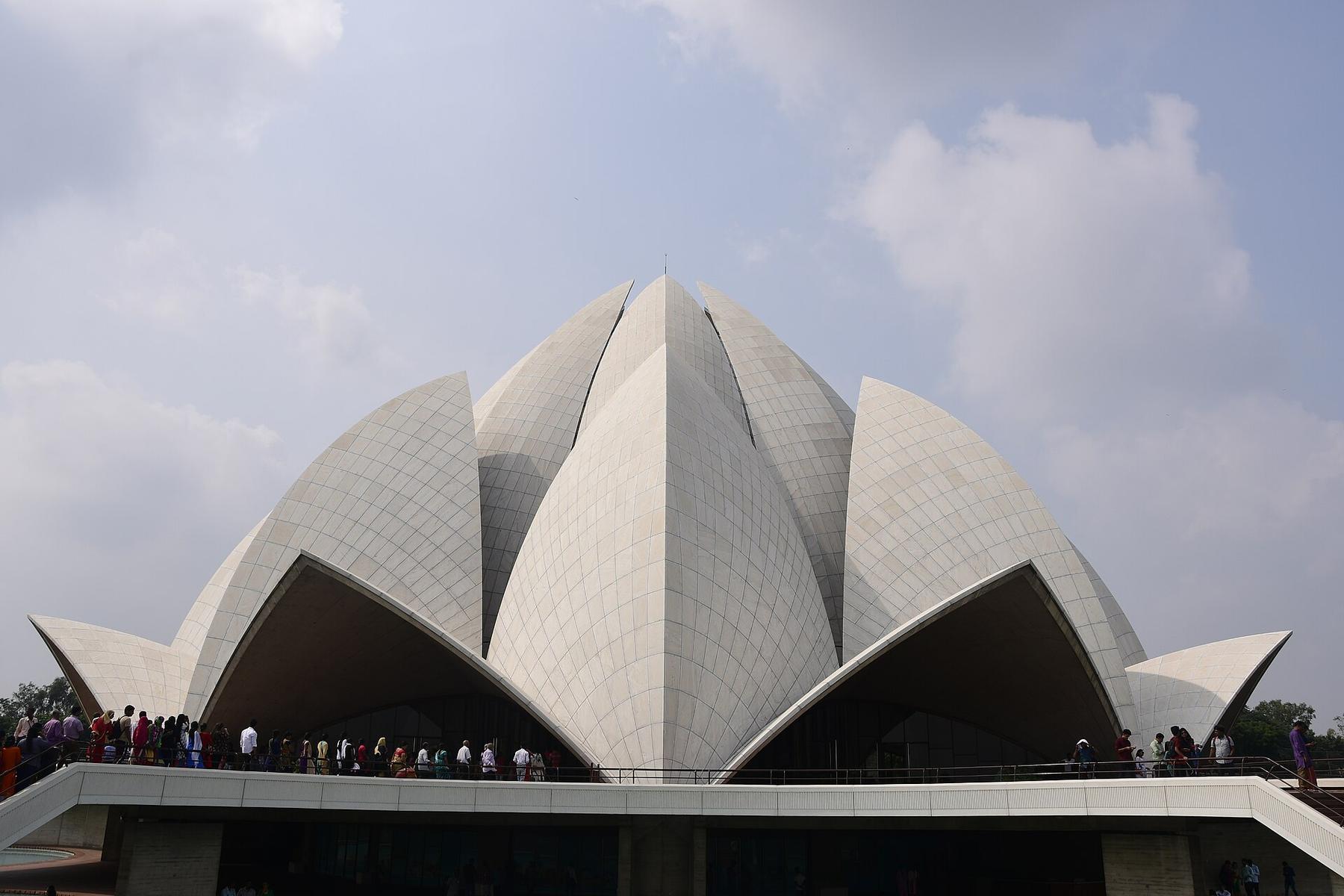
Lotus Temple. This petal-shaped house of worship is open to people of every faith. Expect to leave your shoes outside and stay silent inside, and check the hours, as it usually closes on Mondays.
Akshardham. A huge modern temple complex in the east of the city, also usually closed on Mondays. Phones and cameras generally can't go inside, so leave them at your hotel or in the cloakroom, and allow time for the security line.
Opens Klook in a new tab to complete your booking.
Food and culture
Chandni Chowk food walk. Old Delhi's lanes are crowded and easy to get lost in, so a local guide helps with both navigation and choosing busy stalls. Go in the morning or early evening, and start gently if your stomach is sensitive.
Nizamuddin in the evening. Sufi qawwali singing at the shrine is a Thursday evening tradition. Cover your head, remove your shoes and follow the lead of those around you.
Markets. Dilli Haat is an easy, organised place for crafts, and Sarojini Nagar is a crowded, bargain-heavy clothing market. Khan Market is more polished, with bookshops and cafés.
Cooking classes. Home-based classes teach North Indian dishes such as dal and roti, and they're a good way to meet a local family.
Day trips
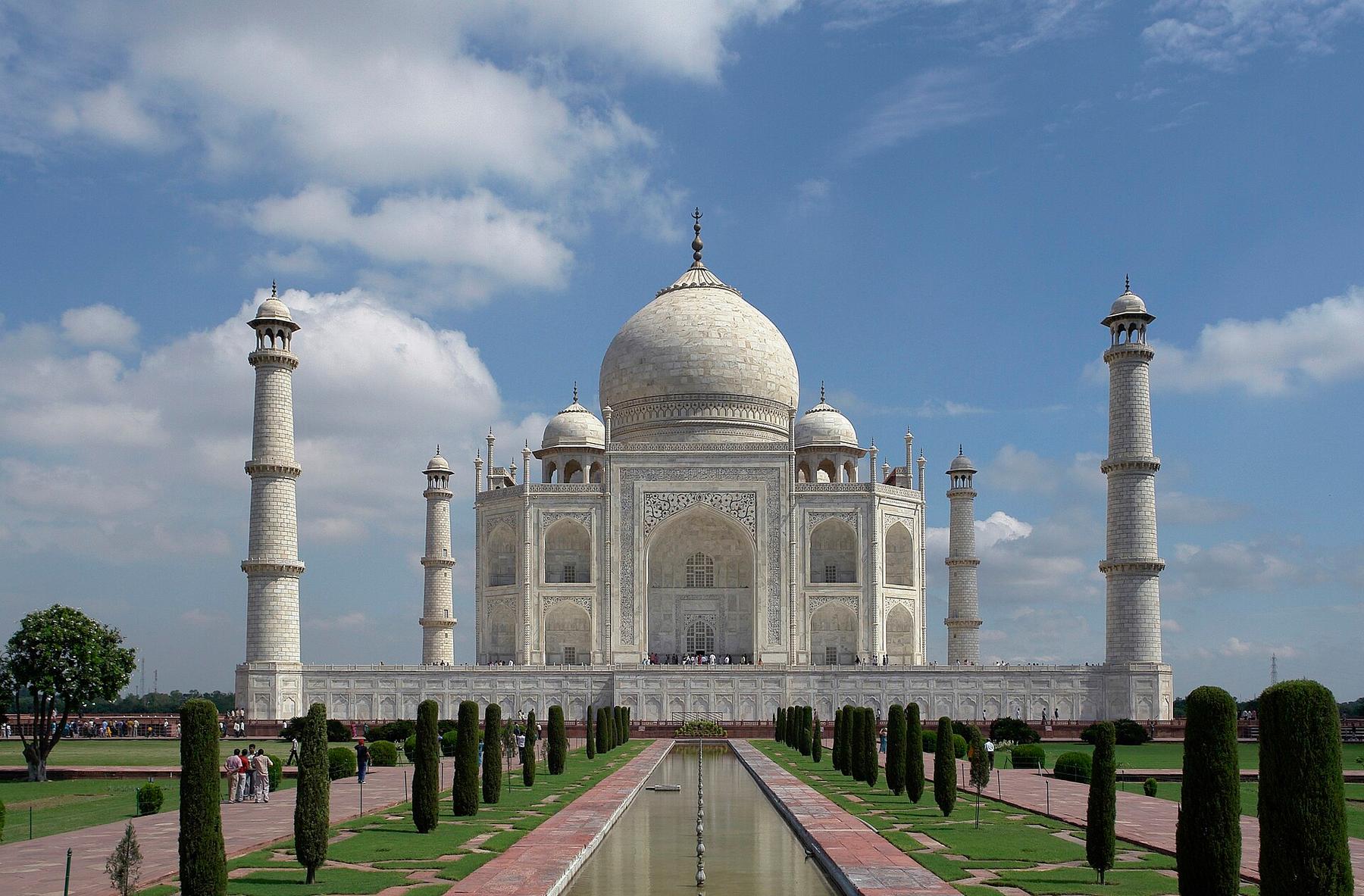
Agra and the Taj Mahal. Fast trains take about two hours, so a day trip works, but staying overnight lets you visit at sunrise before the crowds from Delhi arrive. The Taj is closed on Fridays, and bags are checked closely at the gate, so bring only the essentials.
Jaipur. Possible as a very long day, but it's far better to stay at least one night, because the forts take time.
Amritsar. For the Golden Temple, take a flight or a long train journey and stay overnight.
A realistic two-day plan
Day 1, Old Delhi. Red Fort and Jama Masjid in the morning, a food walk at lunchtime, Humayun's Tomb in the late afternoon, and Nizamuddin nearby on a Thursday.
Day 2, south and centre. Qutub Minar and Mehrauli in the morning, then a rest during the heat, and the Lotus Temple or a market later on.
Practical advice
When to go. October to March is the most comfortable for walking, although air quality can be very poor from about November to January, so check the daily air quality reading. April to June is extremely hot.
Getting around. Use the metro or ride-hailing apps. Be wary of anyone who says that a sight is closed and offers to take you somewhere else, which is a common trick.
On the day. Carry small notes, dress modestly at religious sites, and watch your valuables in crowded places.
Opens Klook in a new tab to complete your booking.