
Activities in Hiroshima
On this page
Hiroshima combines deeply moving history with beautiful scenery and very good food. Trams make the centre easy to get around, and Miyajima is less than an hour away. Allow two full days: one for the Peace Park and city, and one for the island. Add a third if you'd like to visit Onomichi or Iwakuni.
Peace and history
Peace Memorial Museum. Allow one and a half to two hours, and consider renting the audio guide. Some exhibits are very graphic and may not suit young children. It gets crowded from mid-morning, so go early, and leave some quiet time for yourself afterwards.
Atomic Bomb Dome. The preserved ruin is a UNESCO World Heritage Site and is viewed from outside. Early morning and evening are quieter, and it's a powerful sight at any hour.
Peace Memorial Park. Walk from the Dome to the Cenotaph, past the Flame of Peace and the Children's Peace Monument, which is surrounded by folded paper cranes. It's free and open at all times. Please keep your voice low, and take photos with care.
Guided walks. Volunteer guides, including some who pass on survivors' stories, add context that signs can't provide. Ask at the park's information point, or book a guided walk ahead of time.
Opens Klook in a new tab to complete your booking.
Culture and nature
Miyajima. Take the train to Miyajimaguchi and then a 10-minute ferry, or a direct boat from near the Peace Park. Check the tide table, because the great torii appears to float at high tide, and you can walk up to it at low tide. Don't feed the deer, and keep food out of reach. A small visitor tax is collected on ferry tickets.
Mount Misen. A ropeway takes you most of the way, then a final walk leads to the summit, with sweeping views over the Seto Inland Sea. Allow about three hours. Check the last ropeway and ferry times, and don't leave it too late.
Shukkeien. A calm, compact garden near the station that's good for a slow hour after the museum.
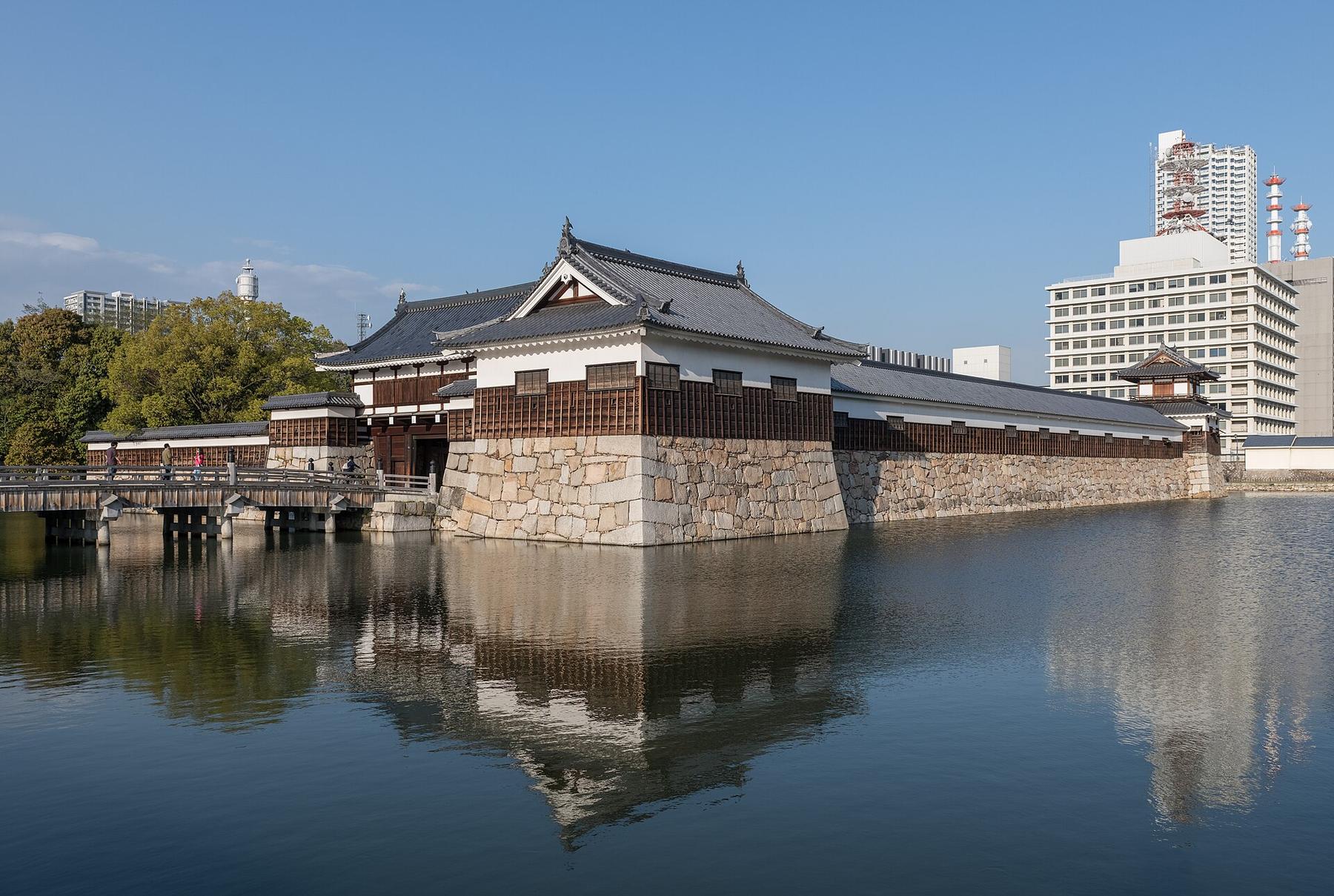
Hiroshima Castle. The moat and the rebuilt Ninomaru gate make a pleasant walk. The main keep was due to close for safety reasons in 2026, so check before you plan to go inside.
Food
Okonomiyaki. The Hiroshima style is layered with noodles and cabbage rather than mixed. Okonomimura is a building full of small counters, and it's a fun place to start.
Oysters and sake. Grilled oysters are at their best in winter and are sold on Miyajima's main street. Saijo, a short train ride away, has a row of old sake breweries and tasting rooms.
Day trips
Iwakuni. The arched wooden Kintai Bridge is the main draw, with a small castle above it. It's under an hour by train and bus, and you could combine it with Miyajima if you start early.
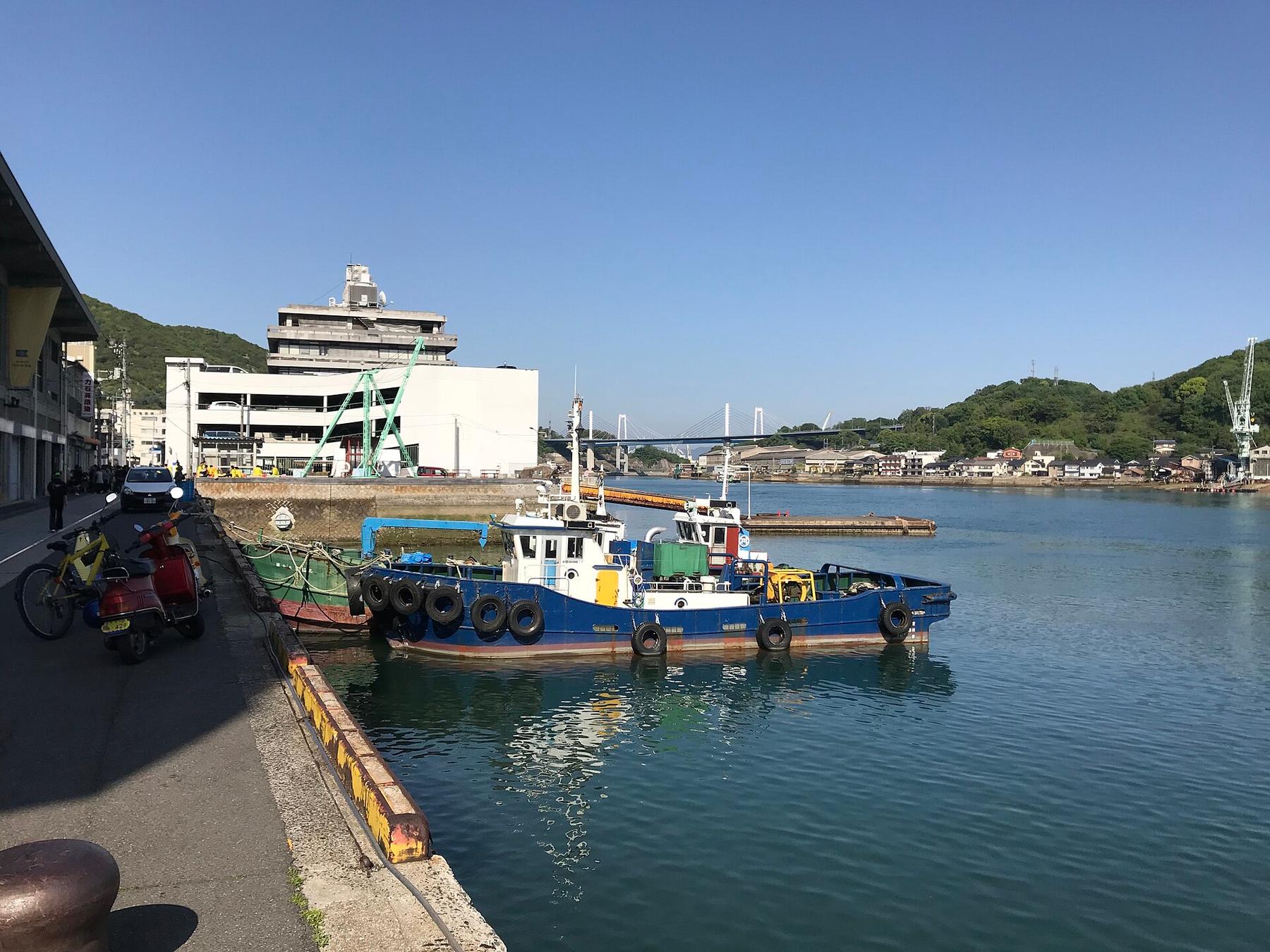
Onomichi. A hillside town known for its temple walk and as the start of the Shimanami Kaido cycling route. It's on the way to Osaka, so it's a good half-day stop if you're continuing east. Most fast shinkansen don't stop at Shin-Onomichi, so check your connection at Fukuyama.
Okunoshima. Known as rabbit island, it's reached by train and a short ferry from Tadanoumi. It also has the remains of a wartime poison-gas factory. Feed the rabbits only with suitable food and don't chase them.
Practical advice
Respect. Hiroshima is a living city and a place of memory, so be mindful around memorial sites. On 6 August, the ceremonies draw big crowds, and hotels fill up early.
Getting around. Trams run from the station to the Dome in about 15 to 20 minutes. Transit cards work on trams and trains, and check ferry schedules for the evening.
On the day. Wear comfortable shoes for Miyajima, as Misen's paths are steep. Bring rain gear in June and July, and check typhoon warnings in late summer.
Opens Klook in a new tab to complete your booking.